Exploring the Ancient Capital of Polonnaruwa: Everything You Need To Know

This post contains affiliate links, which means I may earn a commission if you make a booking, at no extra cost to you.

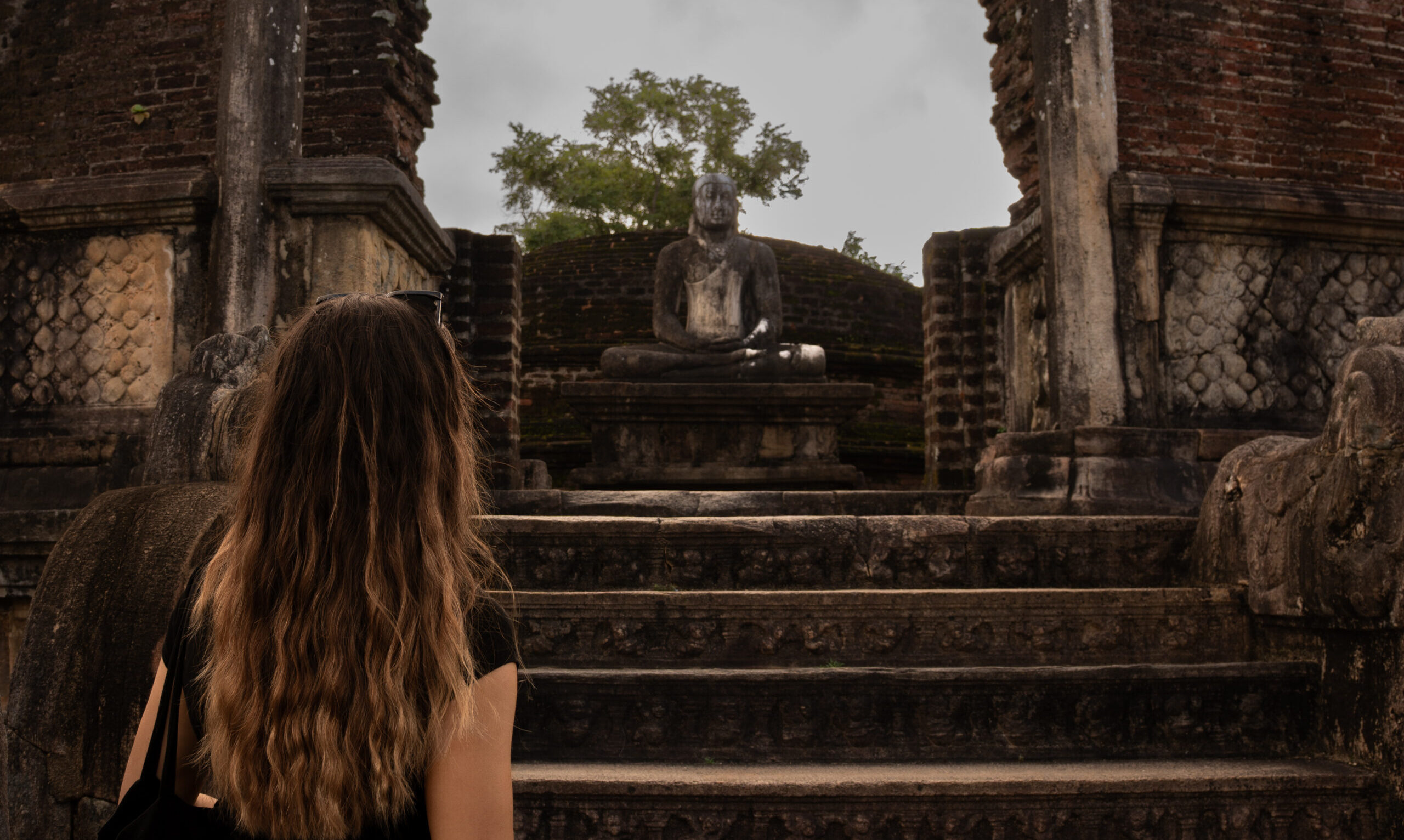
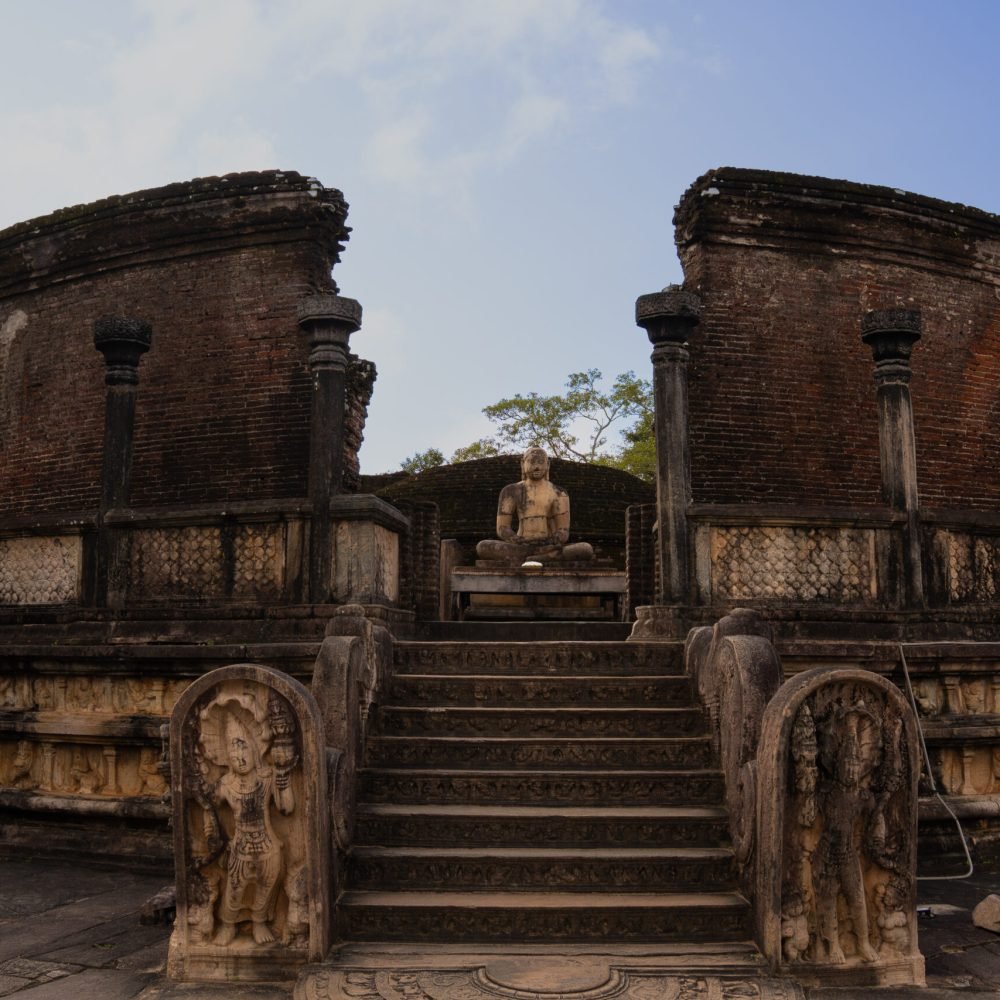
The iconic Vatadage at Polonnaruwa early in the morning
The iconic Vatadage early in the morning

Over 800 years ago, Polonnaruwa Ancient City was one of the most advanced cities in Asia. Today, the ruins remain well preserved and give a fascinating insight into life in Sri Lanka long ago. 

Located in the North Central Province, within Sri Lanka’s famous Cultural Triangle, Polonnaruwa became the island’s capital after Anuradhapura in 993AD and flourished for many centuries until its decline in the 13th century. The city was gradually abandoned and reclaimed by the jungle until its rediscovery by the British in the 19th century. After being carefully restored and preserved, the Ancient City is now a UNESCO World Heritage site and visited by many from around the world.

In this guide, you’ll find everything you need to know about visiting Polonnaruwa, including the best things to see, how to explore the ruins and helpful travel tips for your own visit. 

How to Get There:

If you’re planning to stay overnight in Polonnaruwa then one of the easiest and most affordable ways to get there is by taking the local bus from Dambulla. It costs 250 LKR (£0.60 / $0.80) and takes around 2 hours. 

Dambulla is a city conveniently located central of Sri Lanka’s Cultural Triangle, making it a great base for visiting nearby sites such as Kandy, Sigiriya, Polonnaruwa and Anuradhapura. If you’re not planning on staying in Dambulla then it can be accessed by bus from nearly all major cities so don’t worry about connections too much, they do exist. 

Of course, taxis are available to reach these places but they’re significantly more expensive. We found the local buses to be convenient, reliable and vey budget-friendly.

Where to Stay:

I chose to stay 2 nights in Polonnaruwa to be able to get up early and have a full day exploring without rushing. I highly recommend doing this and suggest staying in the New Town. I stayed at Aruna Homestaya nice place ran by a friendly family in a great location, for a great price. 

Alternatively, it’s common for people to stay in Dambulla and use it as a base to explore the Cultural Triangle. I personally used Dambulla to explore Sigiriya but it’s easy to do Polonnaruwa from here too. I stayed at Perfect Hideout – a nice homestay ran by a great family who make wonderful food!

How to Explore:

The ancient city of Polonnaruwa covers a decently large area, so choosing the right way to explore can make a difference to your experience. There’s many options for exploring Polonnaruwa, visitors typically opt to explore the ruins by bicycle, by tuk-tuk, by motorbike or on foot. Taking a tour, either private or group tour, is also a common option for exploring. It’s completely preference, and based on what suits you personally.

Cycling: our personal choice

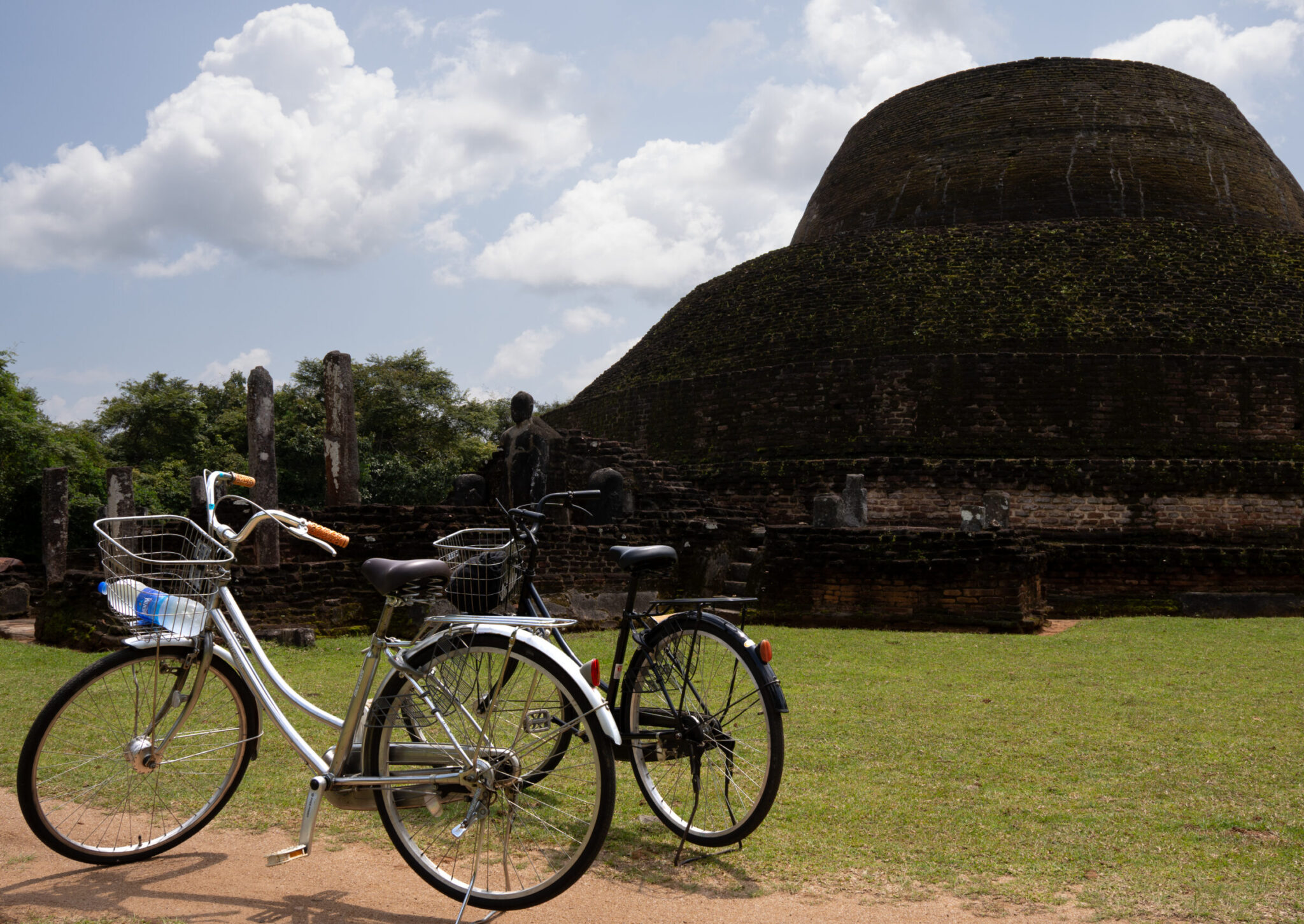
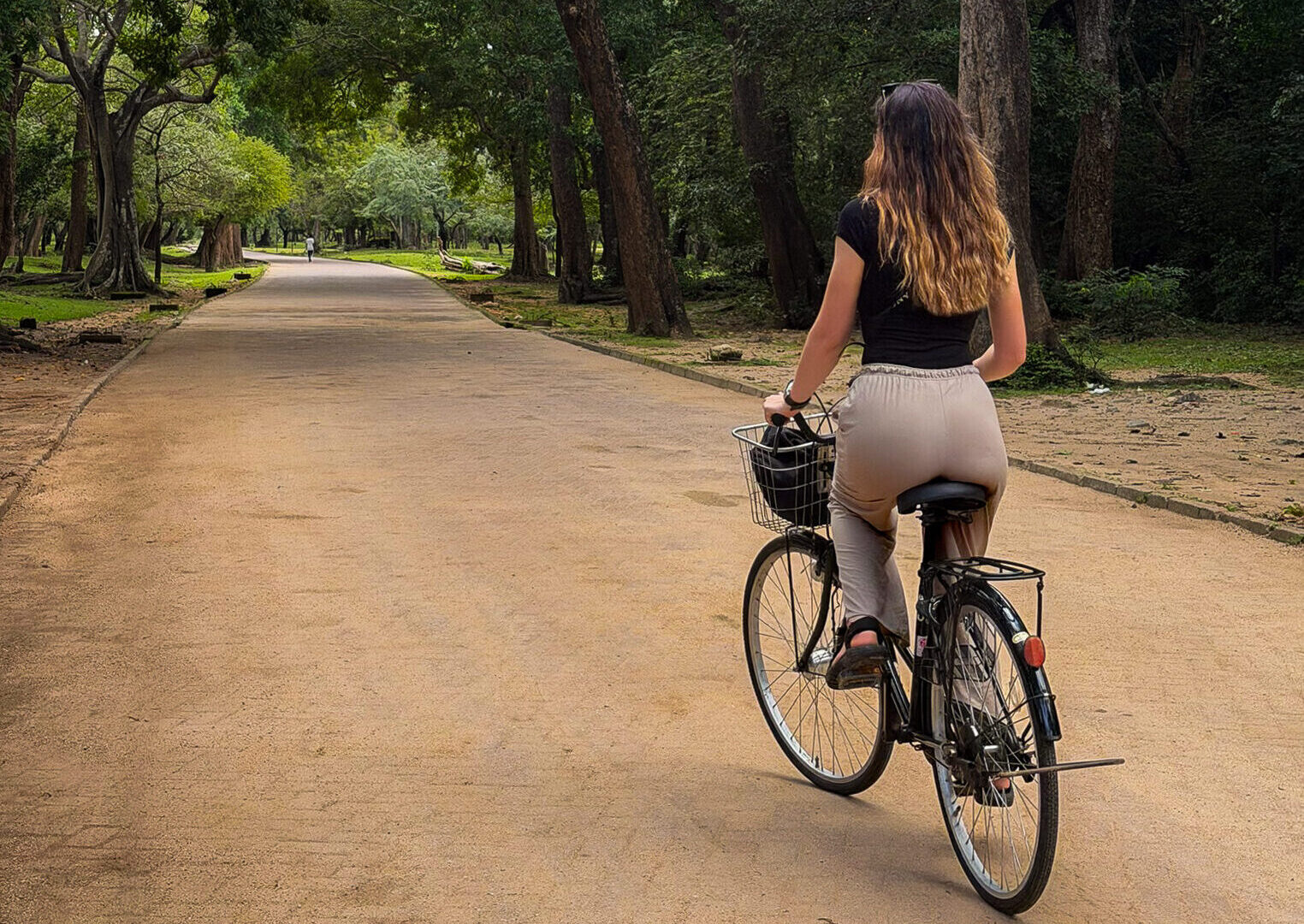
Cycling is one of the best ways to explore Polonnaruwa. It’s perfect for those who want to explore at their own pace whilst enjoying the peaceful atmosphere of Ancient City.

Cost: 1000 LKR (£2.40 / $3.20) per person

Time to explore: 5 hours

Walking:

Walking is an uncommon choice due to heat and distances between ruins, but it is a good option for those who enjoy long walks, can handle the heat and like an early start.

Cost: free

Time to explore: 8+ hours

Tuk-tuk Guide:

A tuk-tuk guide is a great option if you prefer a relaxing, informational experience or maybe you’re restricted on time.

Cost: 5000 LKR (£12.10 / $16 ) per tuk-tuk

Time to explore: typically a half-day (4-6 hours)

Motorbike Rental:

Motorbike rental is a less chosen option but good for those who want to explore independently but don’t want to walk or cycle.

Cost: 4000 LKR (£9.60 / $12.80 ) per bike + fuel

Time to explore: 4 hours

Visitor Information and Tips

Things to know before visiting Polonnaruwa: 

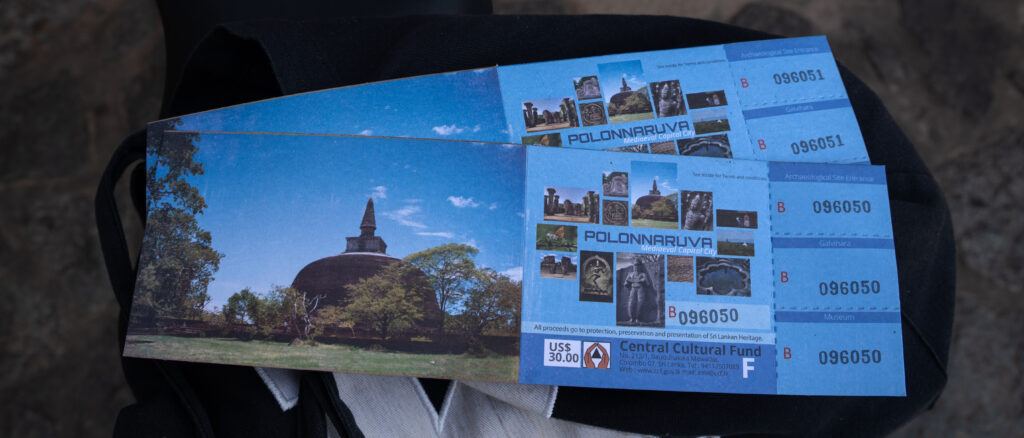
  • Entrance tickets: $30 for non-SAARC adults and $15 for SAARC adults and non-SAARC children 
  • Where to buy tickets: Tickets can be bought at the Archaeological Museum Complex by card or cash 
  • Dress code: Make sure to cover your shoulders and knees for temples around the Ancient City
  • Shoes: Remove before entering sacred areas
  • Photography: Never take photos with your back facing Buddha statues
  • Best time to visit: Start early, grab your tickets at 8am when the Museum opens and come back to visit the Museum at the peak of the day to break from the heat
Tickets purchased at the museum for the ancient capital of Polonnaruwa, Sri Lanka
Tickets collected from the Museum as soon as it opens at 8am

Things to See in Polonnaruwa

Here’s a few suggestions of some of the most impressive and important ruins to explore:

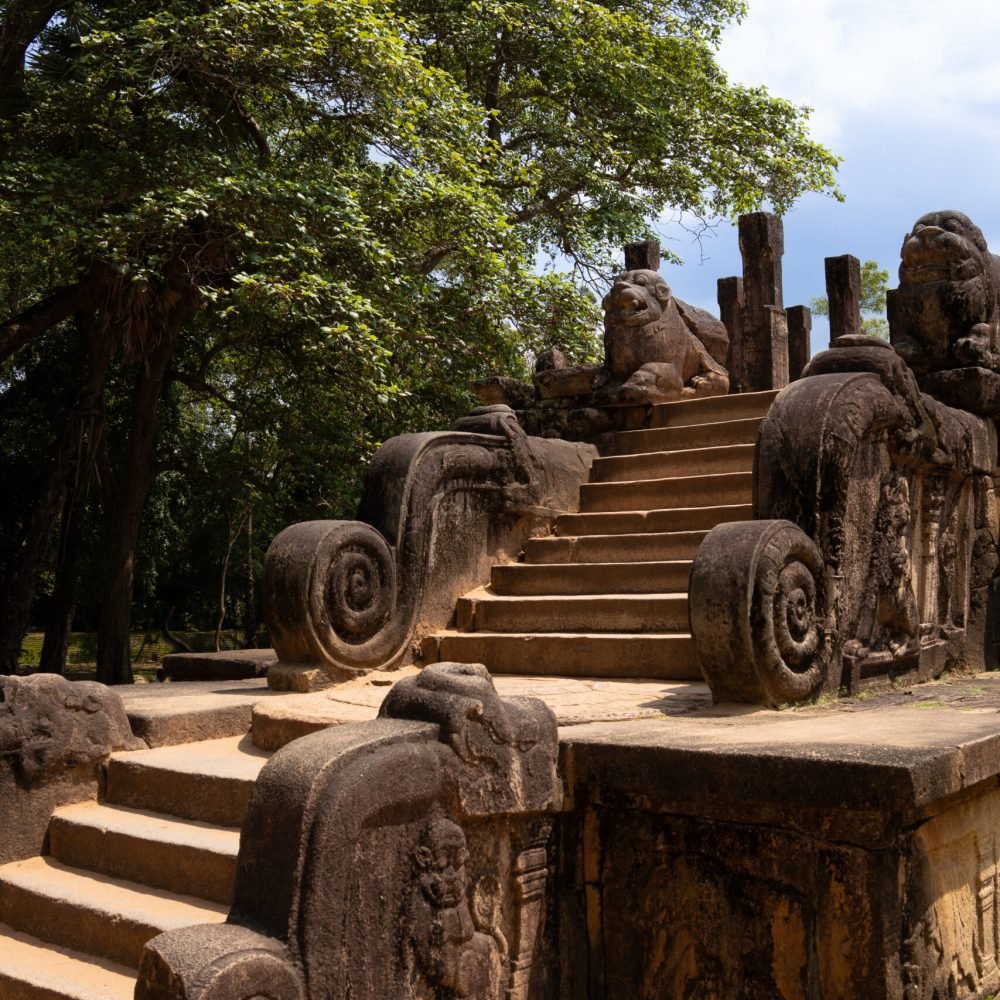
1 – Royal Palace of King Parakramabahu

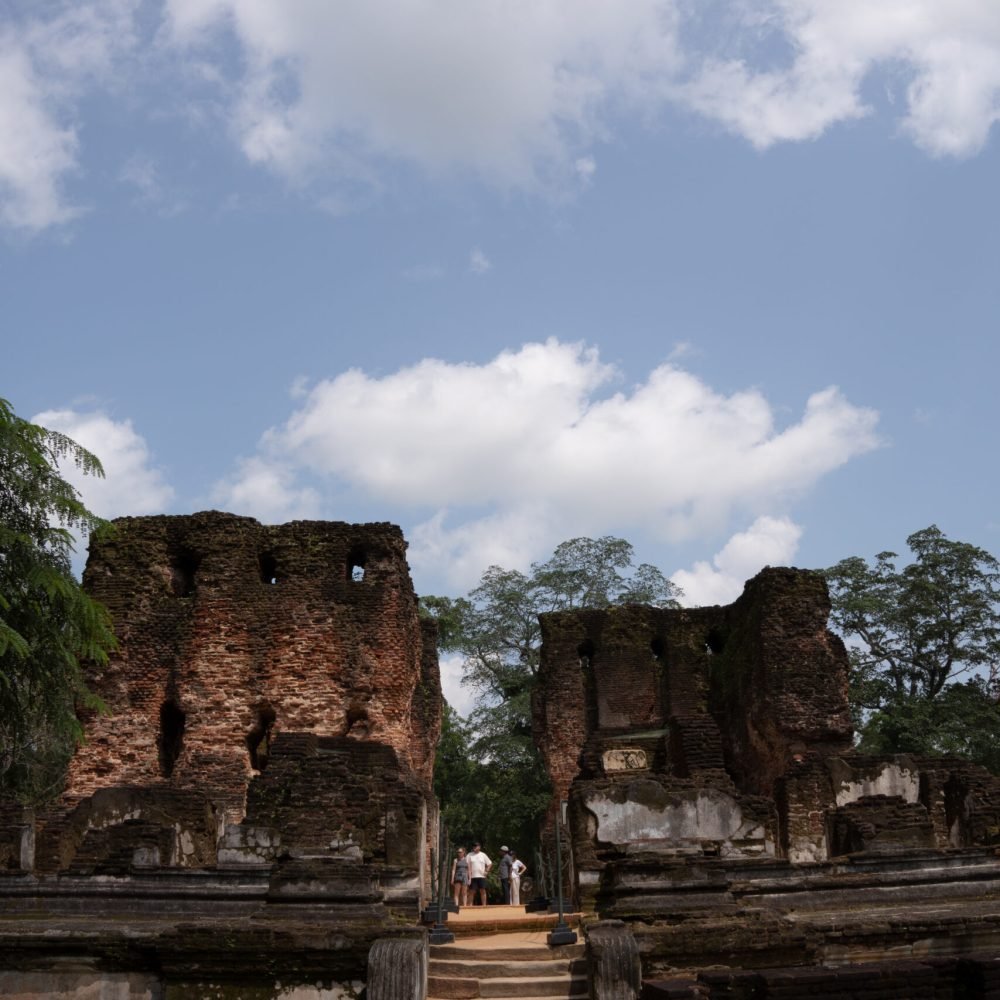
This sure palace complex once stood at seven storeys and was made up of over 1000 rooms. The remains offer a glimpse into how grand the royal court really was many centuries ago. 

2 – Gal Vihara

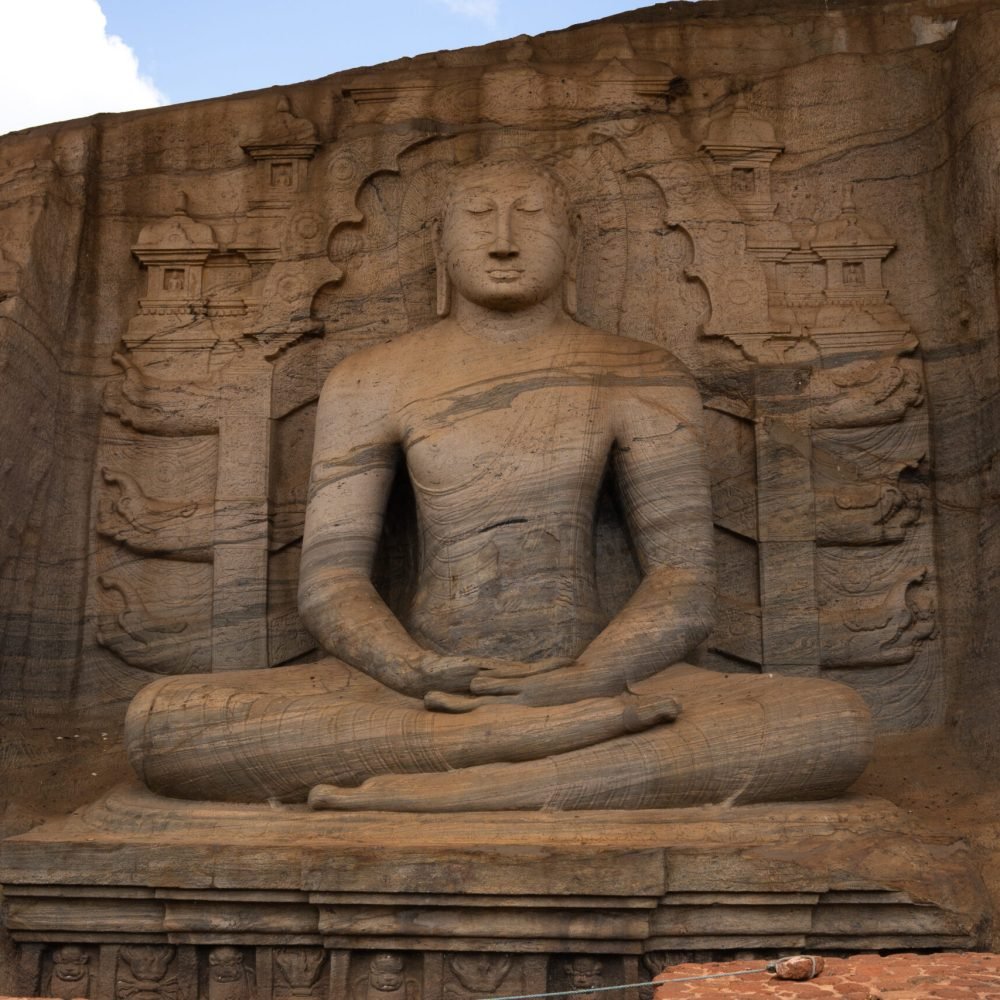
A unique part of the Ancient City that your ticket even has a specific entry for, Gal Vihara features four statues of the Buddha carved into a granite rock wall. The statues are considered to be some of the finest examples of Sinhalese stone carving. 

3 – The Vatadage

One of my personal favourite structures within Polonnaruwa, the structure is well-preserved and comprised of detailed carvings, elegant staircases and seated Buddha statues around a central stupa. 

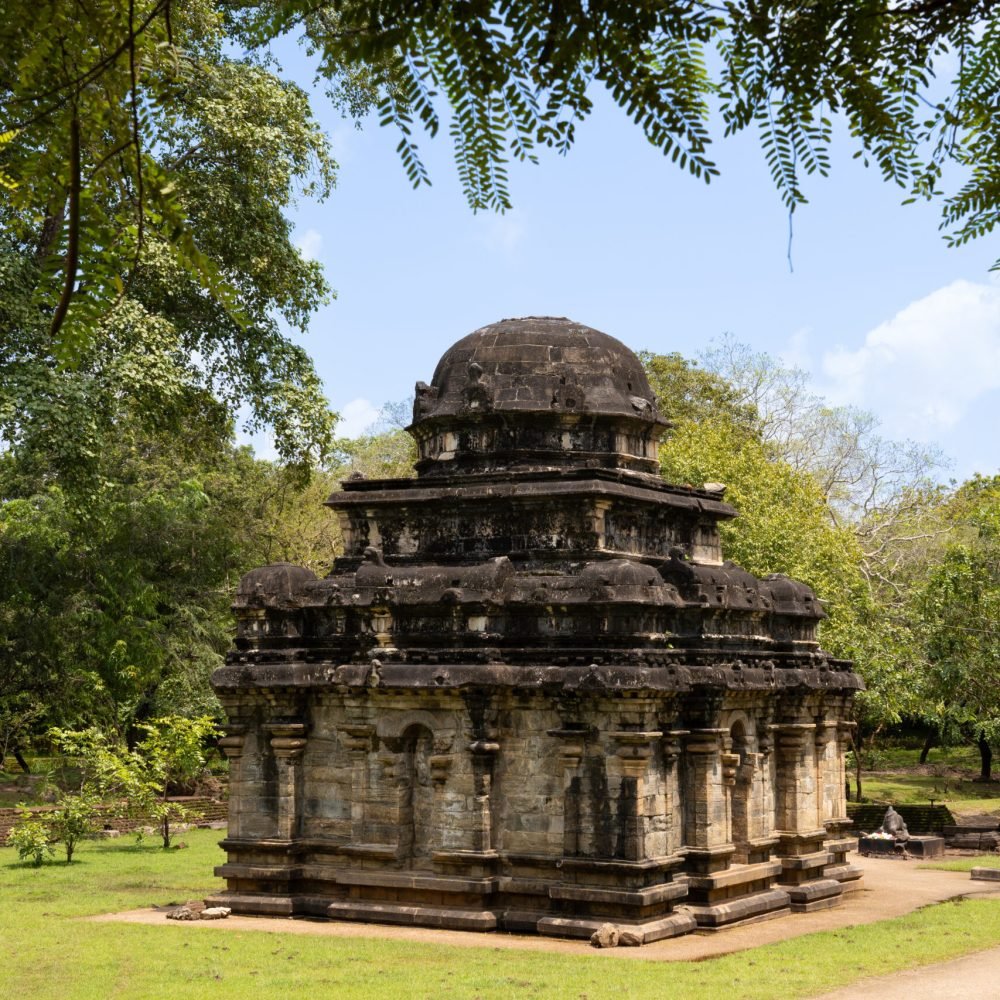
4 – Shiva Devale No.2 

This Hindu temple is one of oldest structures in Polonnaruwa and remains in near perfect condition.

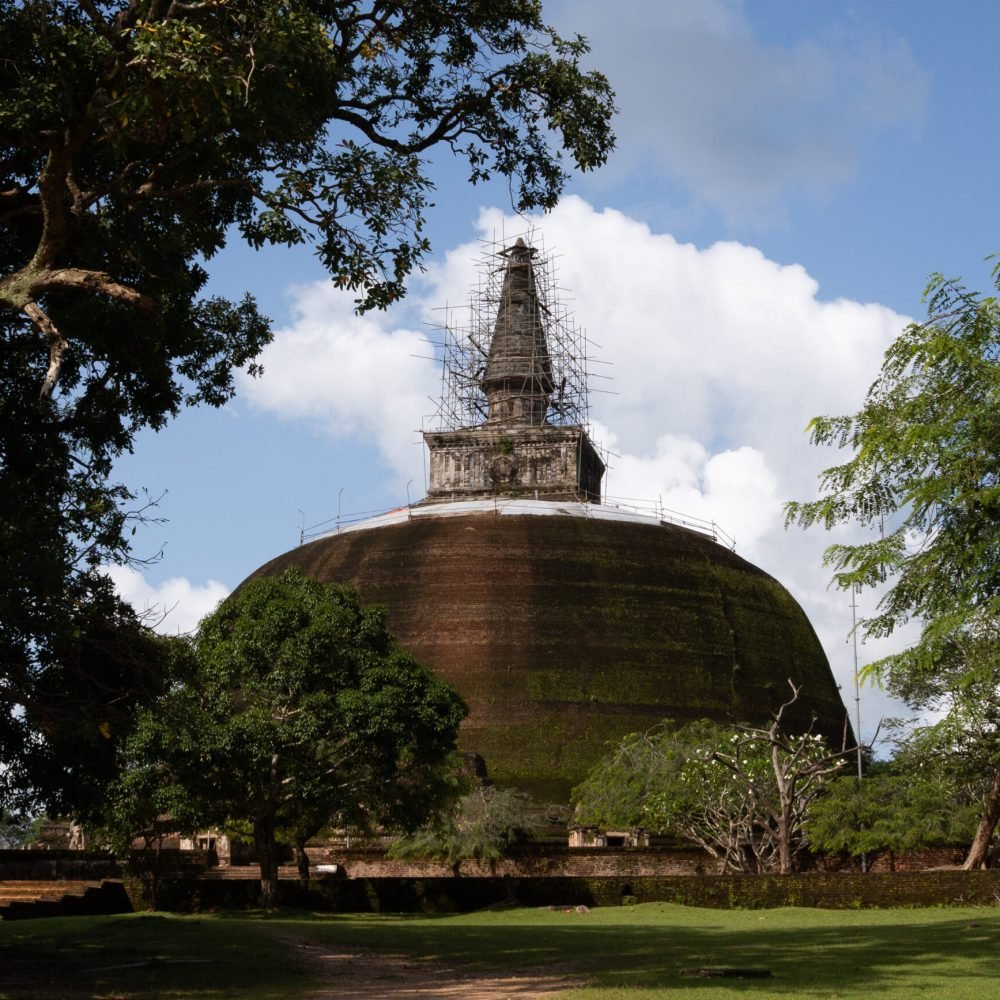
5 – Rankot Vihara

The largest stupa at Polonnaruwa, standing at around 55 meters tall. Rankot Vihara is similar to structures that are found in Anuradhapura Ancient City.

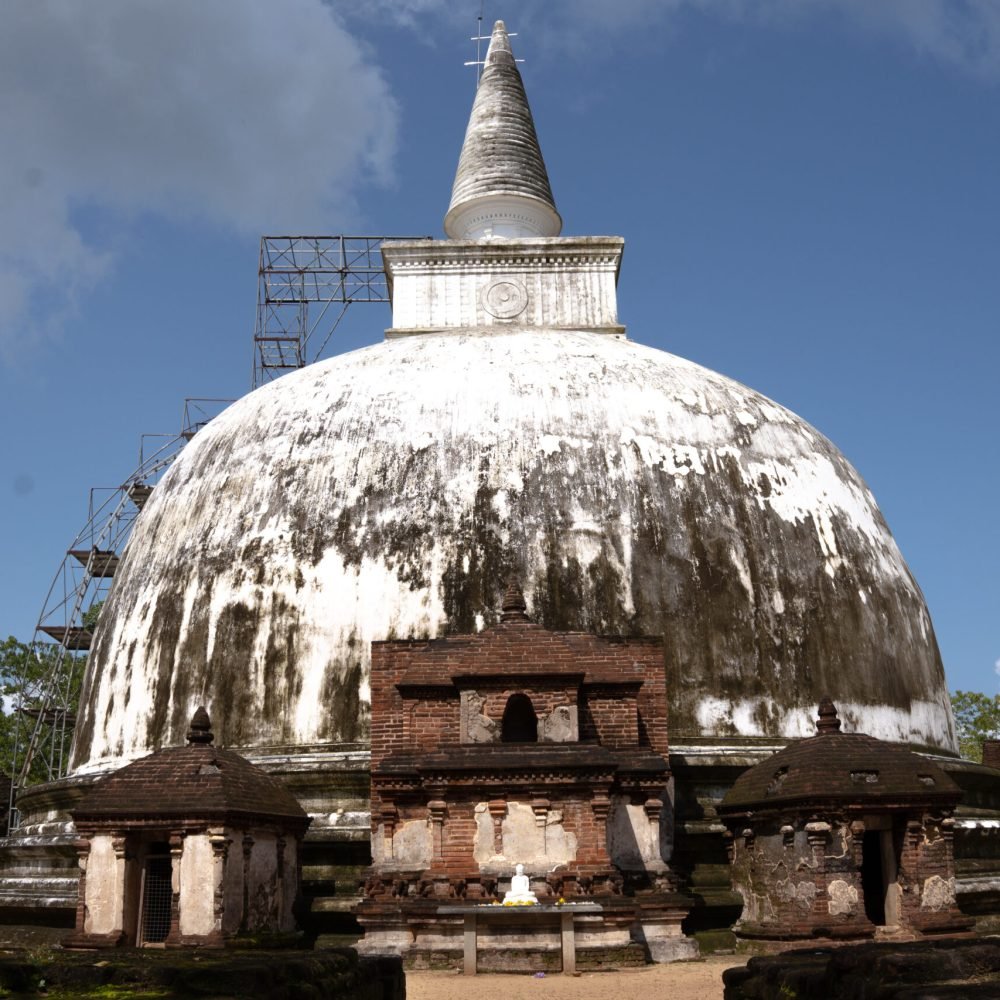
6 –  Kiri Vihara

A stand-out, unique stupa with a bright white exterior. The stupa is believed to have been built by a queen of King Parakramabahu. 

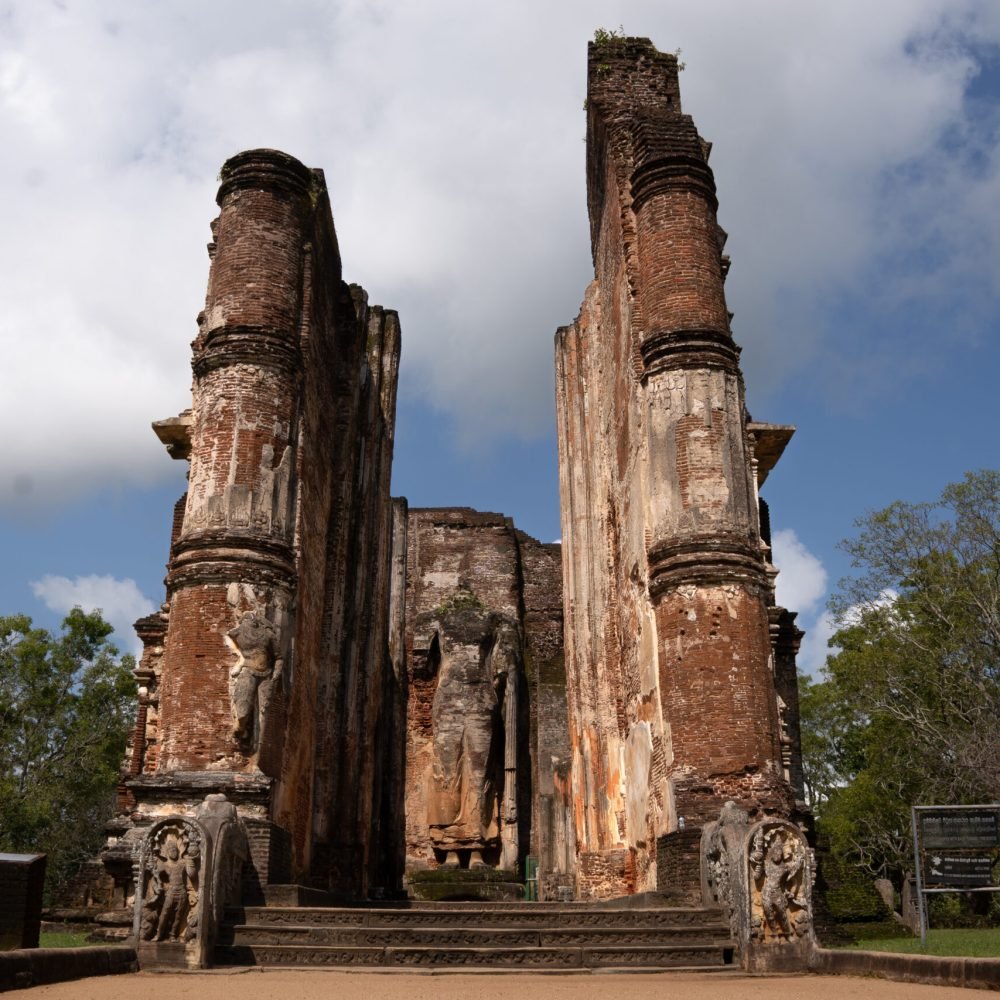
7 – Lankatilaka Vihara 

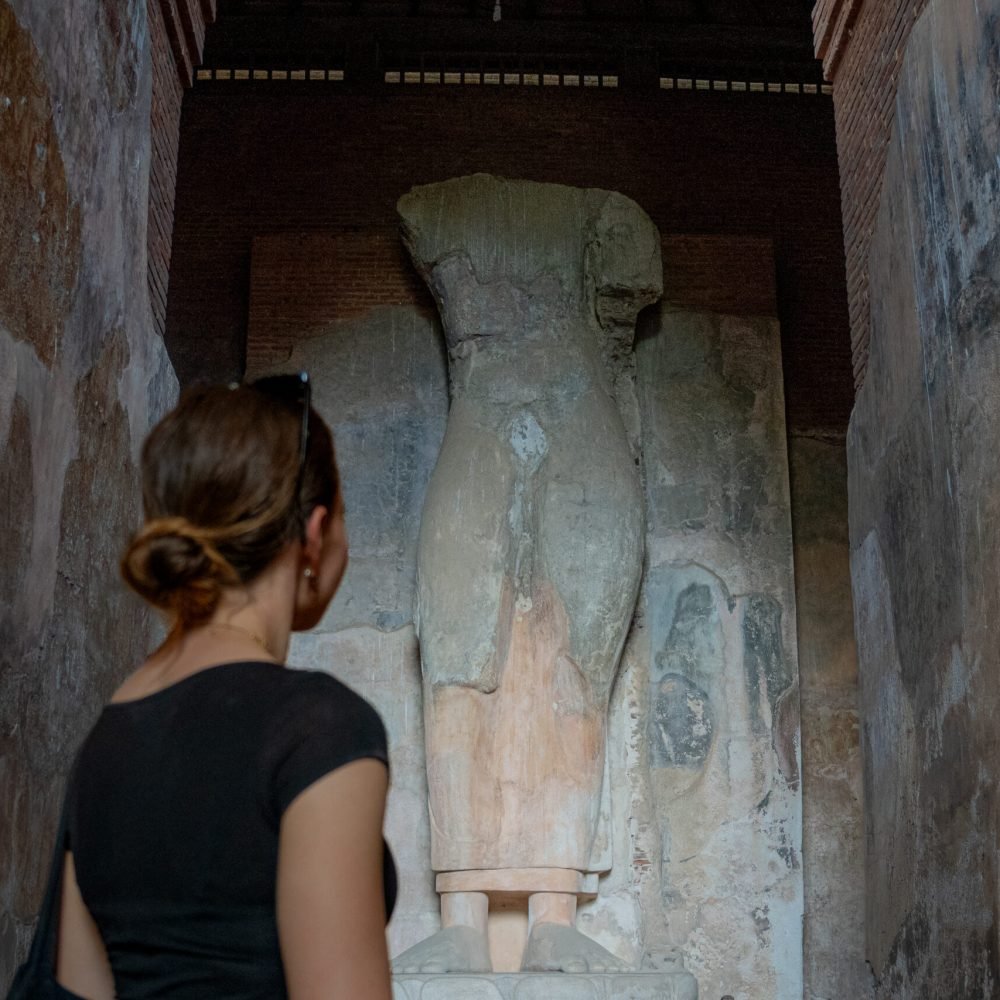
Another one of my favourite ruins is this impressive temple with towering walls and a large Buddha statue inside. The remains feel incredibly grand and atmospheric. 

8 – Thivanka Image House

Located furthest from the entrance, Thivanka Image House is one of the largest structures at Polonnaruwa, comprised of impressive carvings depicting Buddhist stories and a huge Buddha statue. 

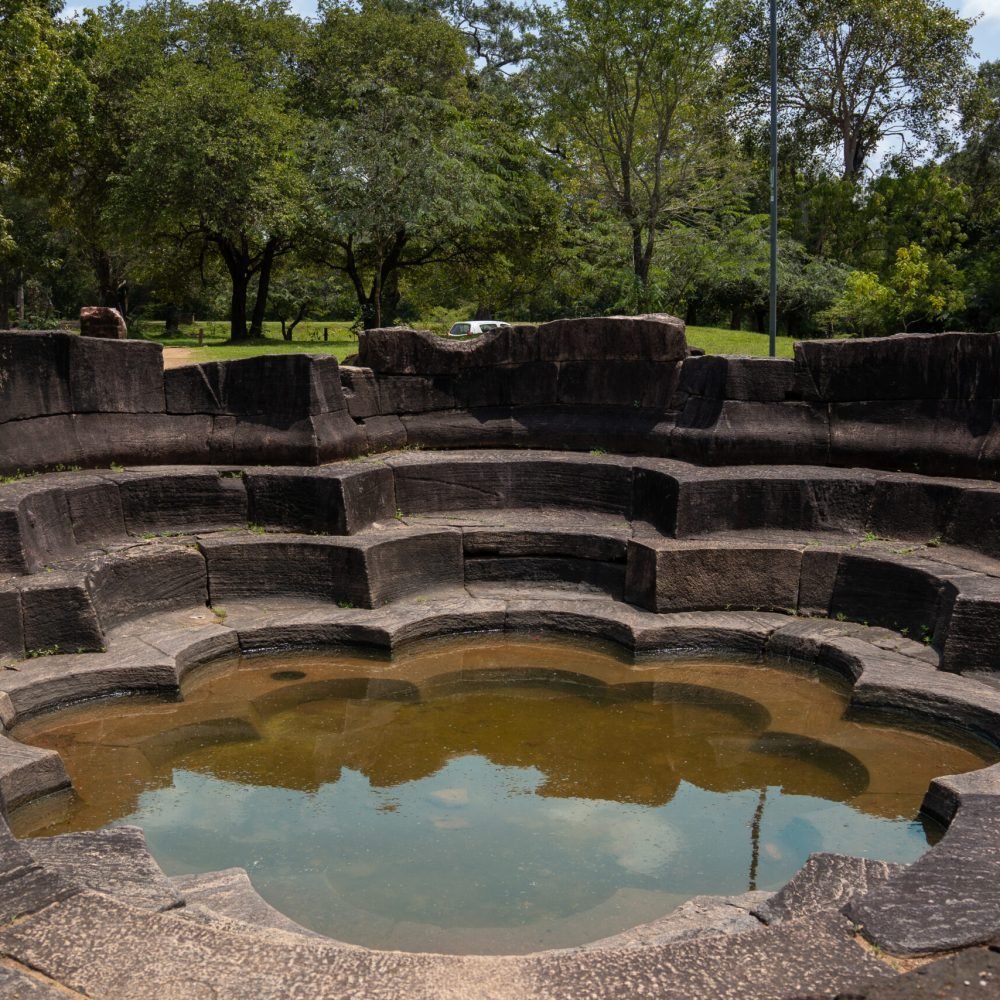
9 – Lotus Pond (Nelum Pokuna)

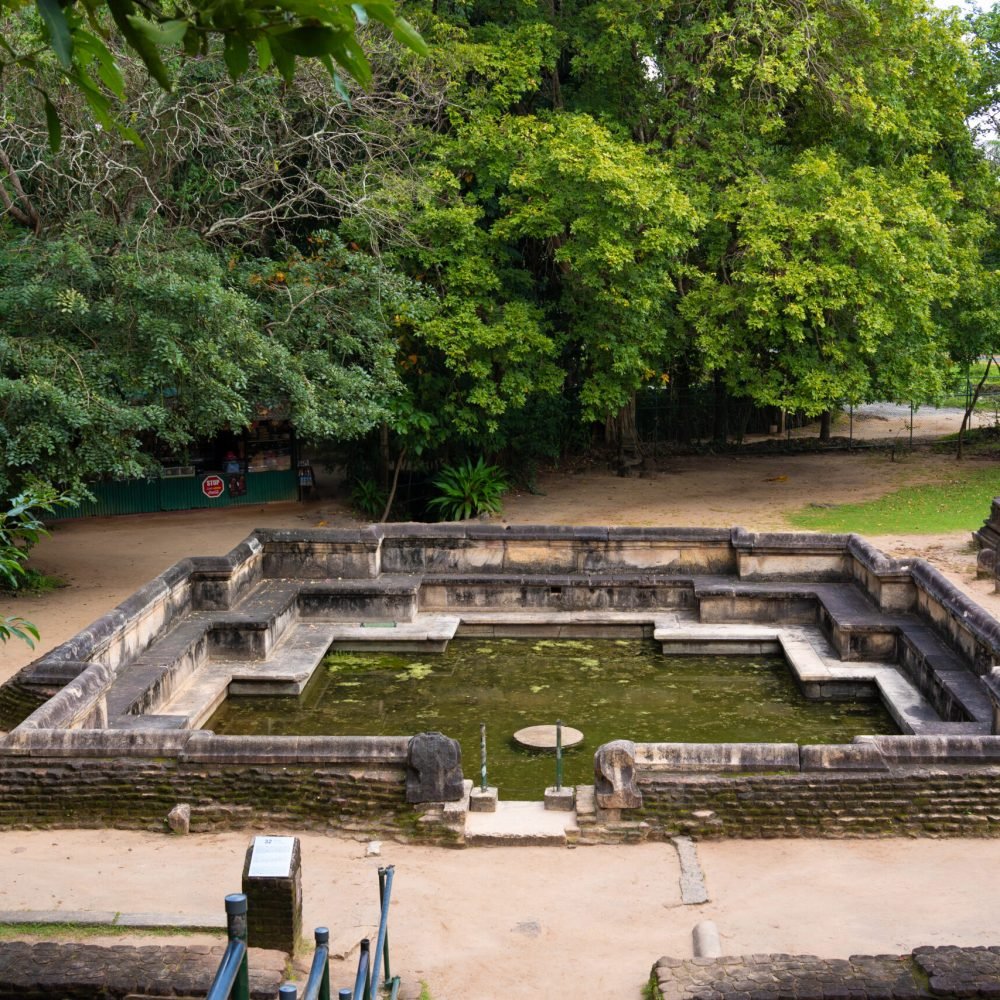
A beautifully designed stone pond shaped like the petals of a lotus flower, assumed to be used by monks for ritual bathing. 

Hi, I'm Kelly!

Welcome to The Untold Journeys, a travel blog with a focus on raw, authentic travels and finding those exciting hidden gems. 

I’m here to share my experiences and stories to give you everything you need to explore the world and head on your own adventures.

Recent Posts

Blog Posts

A Wine Lover’s Guide to the Valley of the Beautiful Women, Eger A local white wine included in the wine tasting at a cave cellar …

If you’re wondering whether it’s worth adding to your itinerary, here is the honest truth about Tirana with things to do, where to go and the best day trips to take. 

Wagah Border Front Row Seat: Your Guide to Experiencing the Ceremony like a VIP The border after the ceremony from the Indian side One of …

Scroll to Top