
Wagah Border Front Row Seat: Your Guide to Experiencing the Ceremony like a VIP

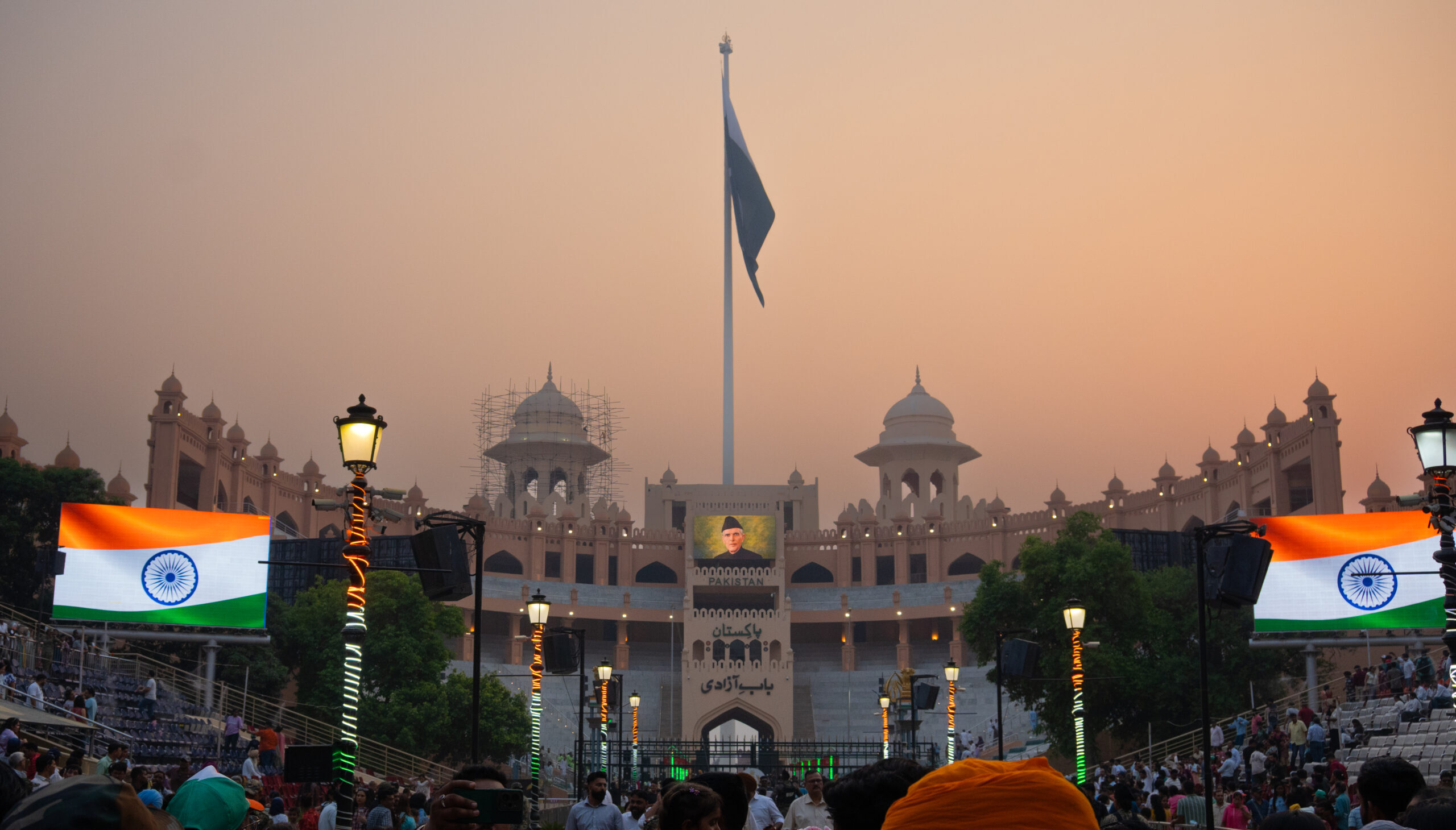
The Wagah Border after the ceremony between India and Pakistan at sunset
The border after the ceremony from the Indian side

One of the most popular things to do when visiting Amritsar is watching the Wagah Border Ceremony. The ceremony takes place every evening at sunset on the border between India and Pakistan as a daily military practice officially to close the border gates but more for the display of national pride and friendly rivalry from each side. The border is nicknamed Wagah Border but technically speaking is the Wagah-Attari Border.  

The ceremony attracts up to 25,000 visitors on the Indian side alone so can get very hectic. The queues to get in were wildly long so it’s important to plan for the event accordingly. Here’s the fun part: for foreigners there is a separate section called the Foreigner Enclosure which is also often named a “VIP Section” but that’s a different thing entirely.

Here I’ll explain more about the ceremony, how to get there, what the foreigner section is and everything else you might need to know. 

Getting to the Border

The Wagah-Attari border is commonly visited from the Punjab city of Amritsar which is around 30km away. The journey typically takes around an hour depending on traffic and mode of transport. There’s three main ways to get to the border depending on your budget and desired comfort:

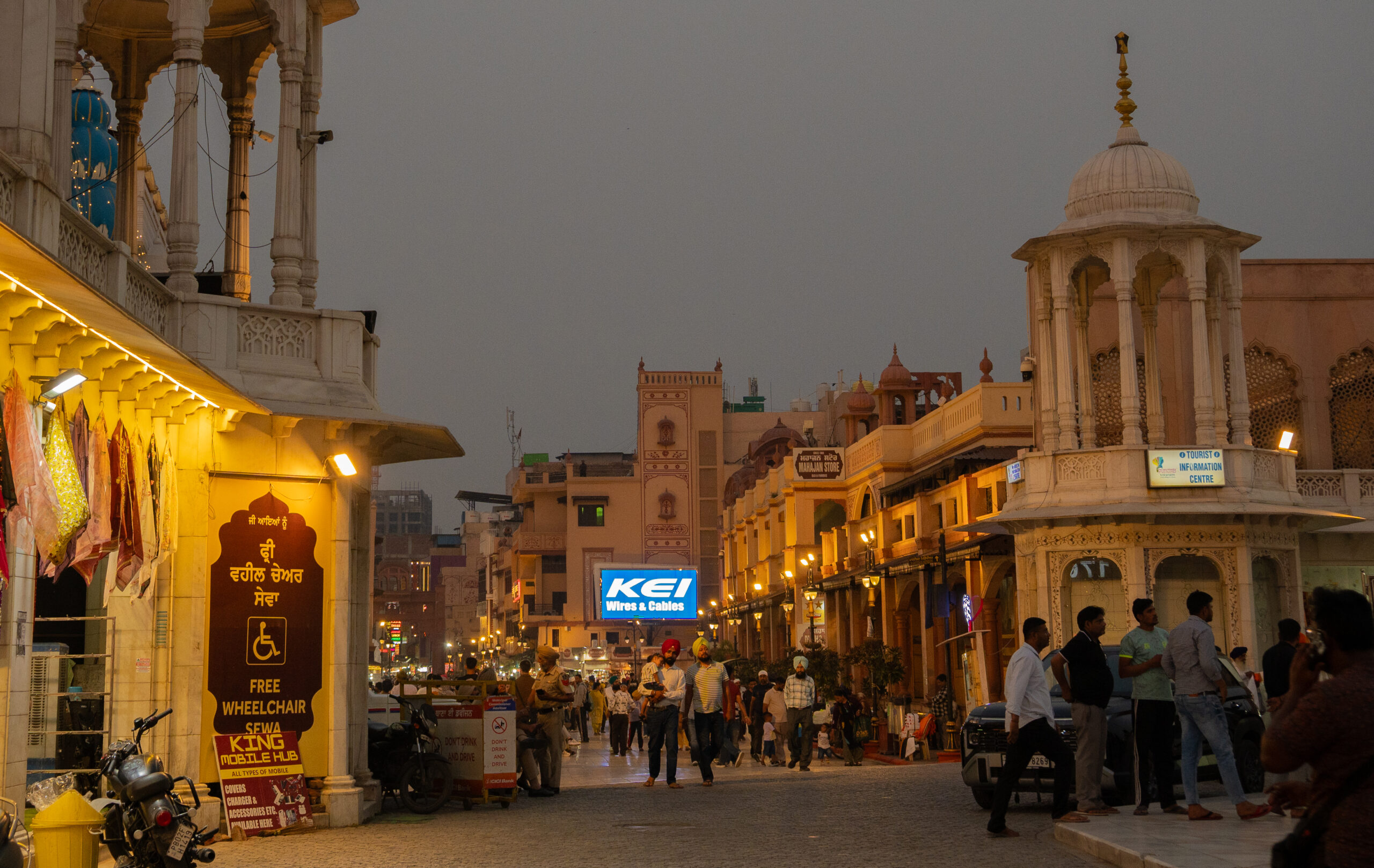
The gorgeous streets of Amritsar near the Golden Temple where the tuk-tuk guys sell Wagah-border tickets
This is the area near the Golden Temple where you'll find tuk-tuk and taxi drivers selling tickets

1 – Private Taxi

How: Book your taxi though an online provider such as Uber or a local provider for a round trip journey. 

Cost: 1000INR to 1500INR ($12 to $18) per taxi

Pros: private, comfort, A/C and flexibility 

Cons: the most costly option 

2 – Bus

How: Tourist buses depart from near the Partition Museum around 2pm and bring you back after the ceremony.

Cost: 400INR to 600INR ($5 – $7) per person

Pros: organised, no haggling

Cons: fixed schedule – the bus won’t wait for you if you take a long time to get out

3 – Shared Auto / Tuk-Tuk

How: Many drivers will hang around the Golden Temple shouting “Wagah, Wagah” and give you a ticket for later. 

Cost: 100INR to 200INR ($1.20 to $2.40) per person

Pros: very cheap, local vibe

Cons: no comfort, dusty, waiting for others, squashed in with up to 9 others 

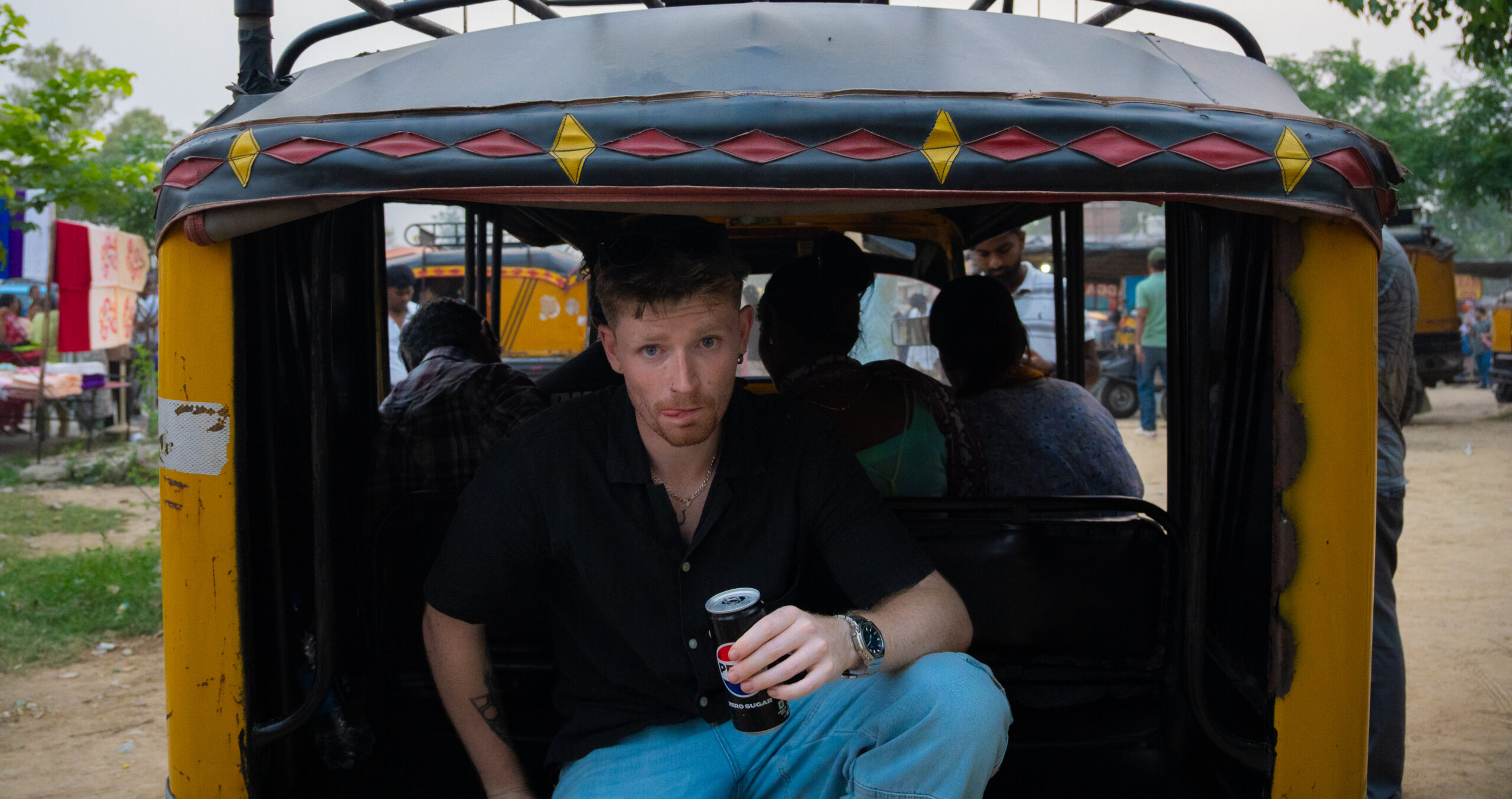
When visiting the Wagah-Attari border myself, I opted for the budget-friendly option of a shared auto. I found someone earlier in the day, secured my seat for 150INR and was told to meet back at 3pm to set off. The driver was friendly but the auto was FULL. There was 10 people plus our driver all in one auto. I was dropped of close to the border, a short 10 minute walk to the entrance and was picked up from the same spot after the ceremony to be taken back to the centre of Amritsar. 

The back of the large shared tuk-tuk for budget transport to the Wagah-border for the India-Pakistan ceremony
Jack on the back of our shared tuk-tuk (ten of us managed to squeeze in this for the journey)

The Ceremony

The Wagah-Attari ceremony is a celebration of national pride as well as a display of rivalry. I won’t give specifics of what occurs during the ceremony to spoil it for you but it’s an interesting and impressive display of national pride from both sides. Expect lots of cheering, drama 

The ceremony starts around sunset so will differ throughout the year. Typically in summer time (April to September) it starts at 5:15pm and in winter (October to March) it starts at 4:15pm. I visited in summer (May) and it started just after 6pm so don’t expect it to be exactly at these times, it depends entirely on the sun so that the flag drops as the sun dips below the horizon. The actual event usually lasts between 45 minutes and an hour. 

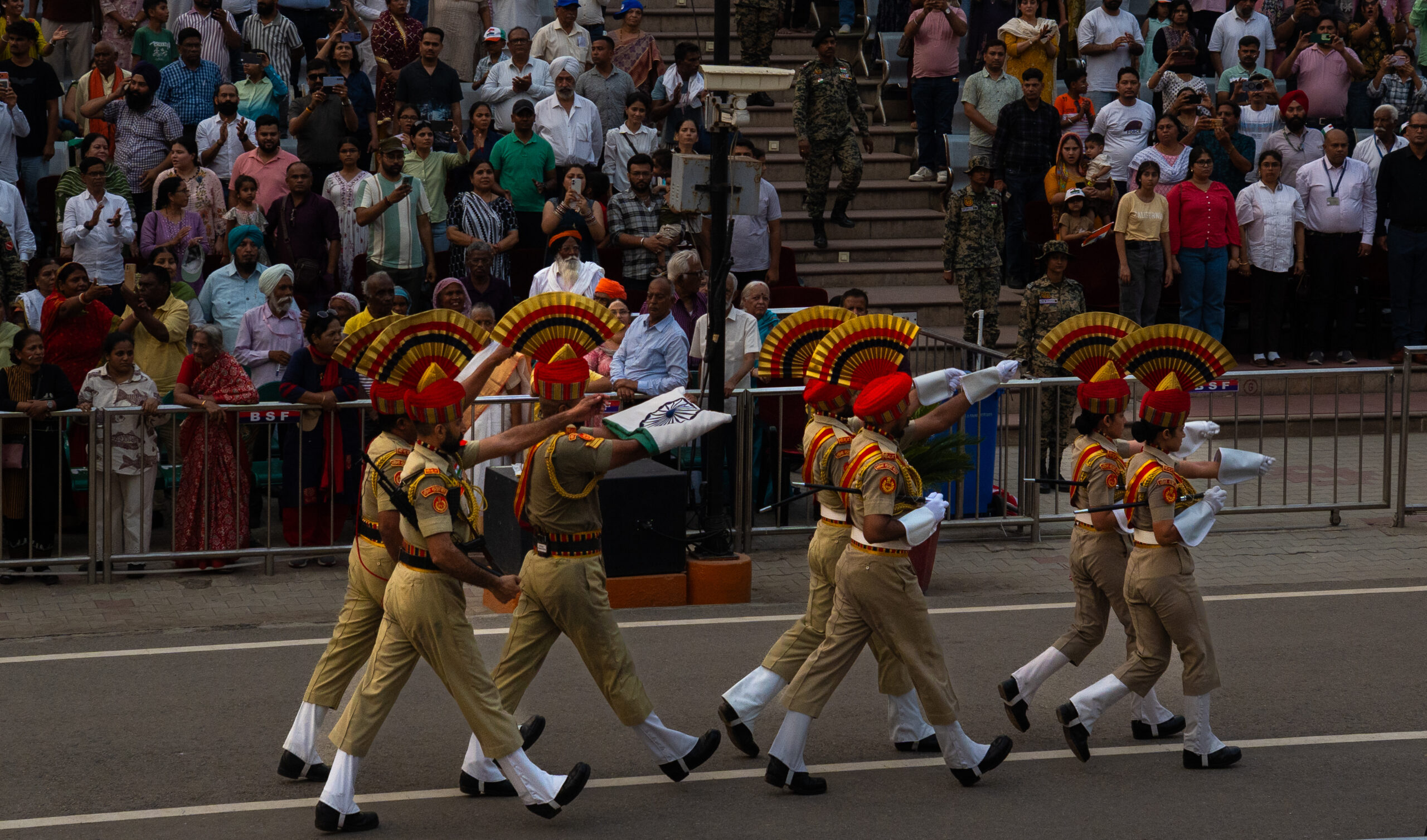
The Border Security Force (BSF) carrying the Indian flag during the Wagah-broder ceremony with Pakistan
The Border Security Force (BSF) carrying the Indian flag after lowering it during the ceremony

What to Take

Simply, don’t take much. You’re not allowed to take bags inside so leave them in Amritsar or you can use lockers near where the autos stop but they’re not very secure looking. I had read beforehand that no bags at all were allowed but I took a small crossbody bag and was allowed it through. I also saw plenty of other domestic and international tourists with similar sized bags so it seems they’re allowed even though online it says they’re not – they are checked at security though. 

They’re very strict on what you can and can’t take through. I had my camera around my neck which was fine but I was asked if I had other batteries or power banks as these are not allowed. No tripods or selfie sticks, no video cameras or any other electronic devices such as headphones or laptops. Obvious banned things like matches, knives and lighters are a definite no. When it comes to drinks and snacks, there’s a few stalls after security selling crisps, popcorn and such which you’re allowed to take through as well as water. 

You MUST take ID. As an Indian, national ID is perfectly fine but as an international tourist, you must carry your passport. Other than this, carry only cash and hotel key to avoid being turned away. 

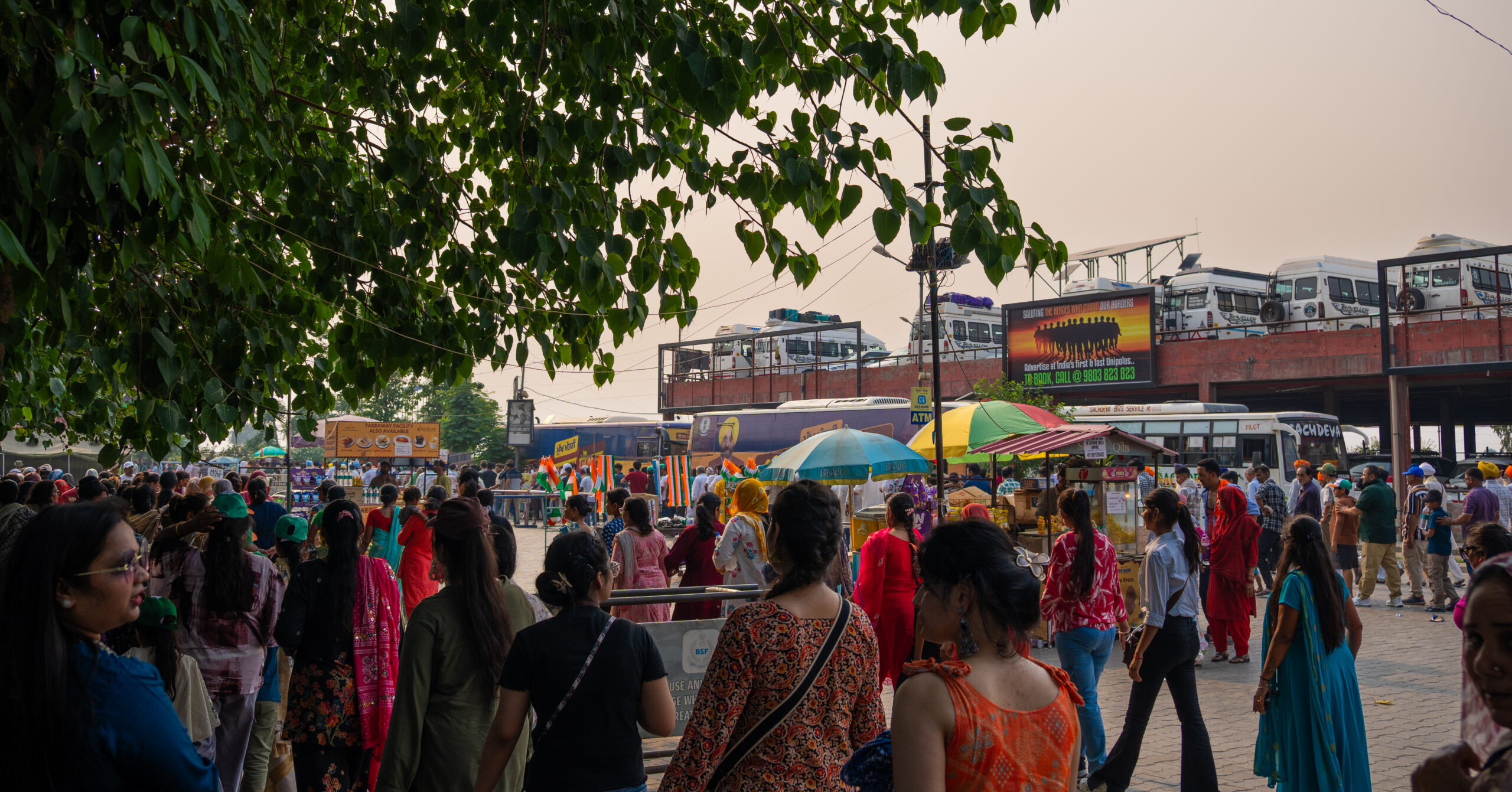
The crowded India-Pakistan border after the Wagah-border ceremony with lots of Indian flags
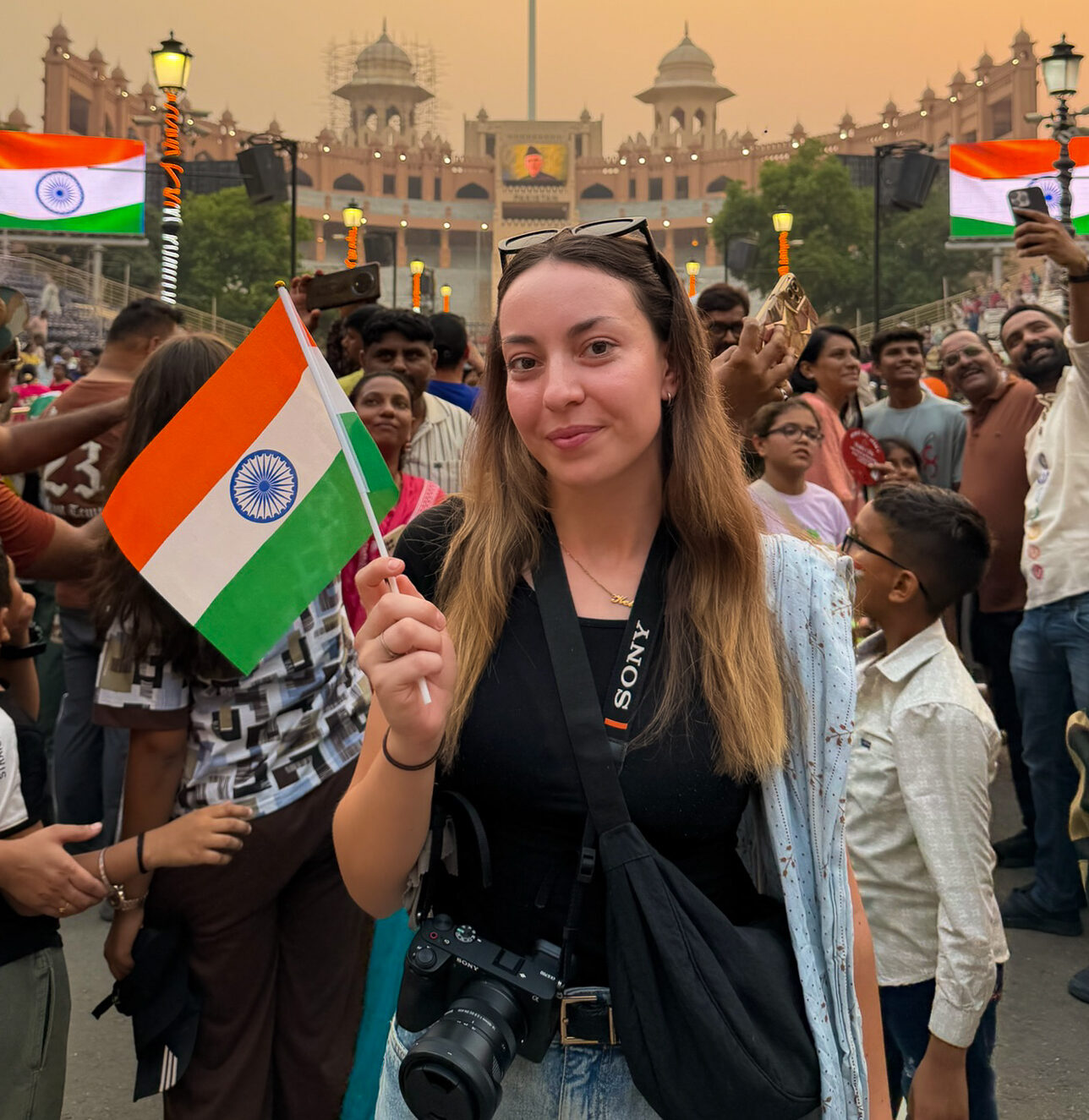
Me at the border after the ceremony with my camera and small bag

Foreigner Area / VIP

As a foreigner heading to the border to watch the ceremony, you’re automatically granted access to the designated foreigner area – some called it the VIP area but that’s something else. This essentially allows you to skip the horrendously long queues and sit in an less crowded area along the closest edge to the border gates.

The entrance to the Wagah-border with huge queues for security
The queues for security at the border - head on the left of these for the VIP / foreigner entry point

To access this area, you’ll have to navigate a large crowd and long queues with no signage however it isn’t as difficult as it sounds, I had no trouble. Once you arrive and see the queues, stick left, there will likely be army personnel or security along the pathway who will check your passport and point you to the security gates without joining the queues. After security you’ll be back into the main crowds and into the main area where there’s toilets and stalls selling snacks, drinks and Indian flags. As you approach the seating area entrance, use the ground level entrance in the centre. Your passports will be checked again and possibly your bags but then you’ll be directed to your seats. 

The area is located on the left side, closest to the border gates and has a bunch of seats specifically for foreigners. It’s located next to the VIP area which is allocated in two ways: to those who apply on a first-come, first-served basis by writing a letter to the Border Security Force (BSF) or Customs officials or those who attend on a private tour where local tour operators offer VIP experiences for a higher price. 

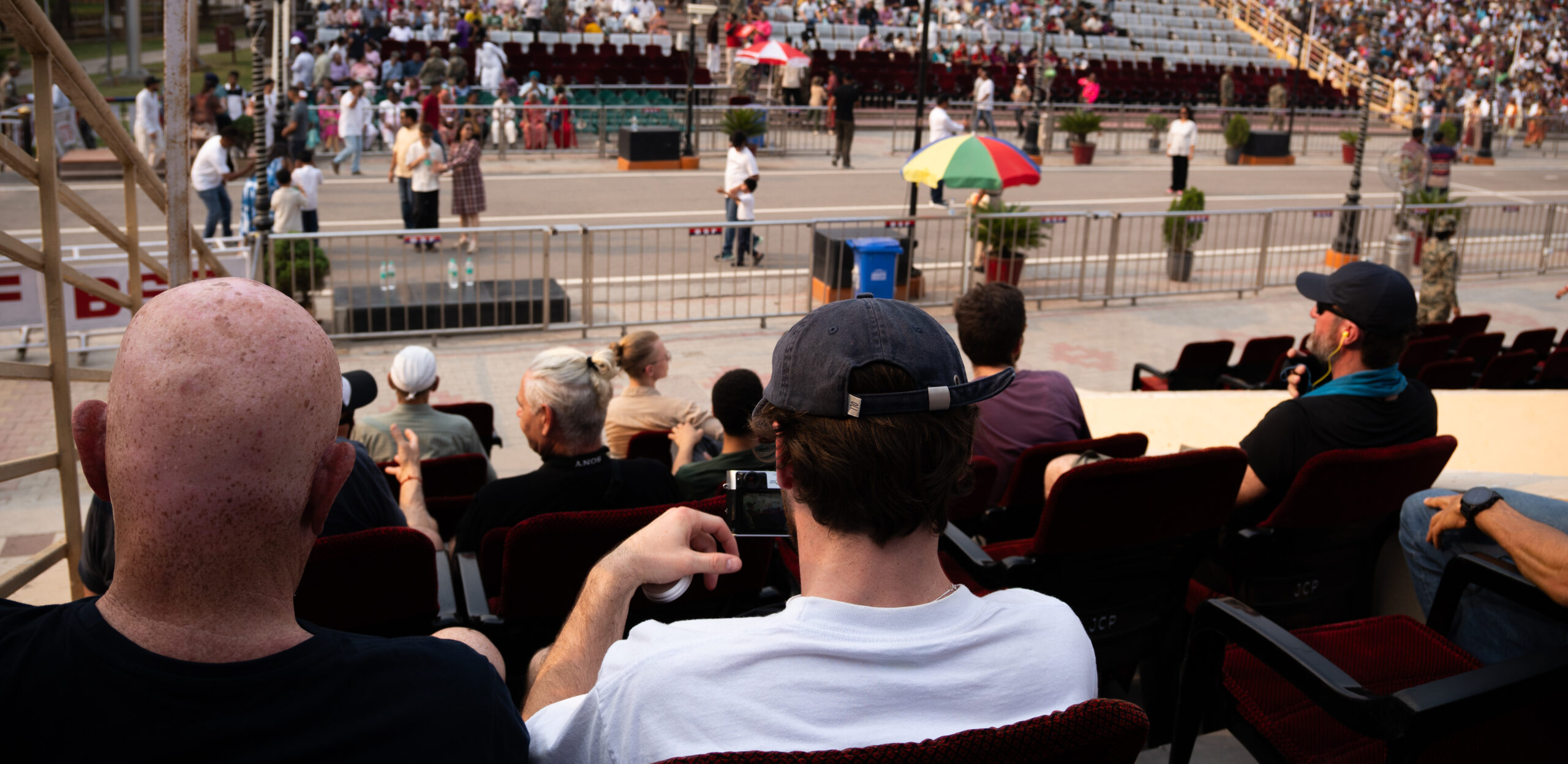
The foreigner section (VIP) in the arena for the Wagah-border ceremony with Pakistan
The foreigner area on the far left of the stands

Tips / Things You Must Know

  • If you opt for the shared auto, take something to cover your eyes and mouth as the roads are extremely dusty. 
  • If you can’t work out where to go for the foreigner area, just ask the army personnel or security. They’re there to help and keep everyone safe – including you.
  • As a highly sensitive international military border, the BSF operate high-powered signal jammers so your mobile data and network will not work. Carry cash instead of UPI or card and take a photo of your transport numberplate and location so you can easily find them after.
  • Security, like all of India, is split into male and female so if you’re travelling with the opposite sex then be prepared to be split for a brief few moments.
  • IMPORTANT: take your passport – as a foreigner. I know I already said it more than once but you will be denied access without it. 

Hi, I'm Kelly!

Welcome to The Untold Journeys, a travel blog with a focus on raw, authentic travels and finding those exciting hidden gems. 

I’m here to share my experiences and stories to give you everything you need to explore the world and head on your own adventures.

Recent Posts

Blog Posts

Looking for a tea plantation exploration... Here is an honest guide to Munnar Jeep Tours.

If you’re wondering whether it’s worth adding to your itinerary, here is the honest truth about Tirana with things to do, where to go and the best day trips to take. 

From Budapest to Bratislava – The Perfect Day Trip Guide This post contains affiliate links, which means I may earn a commission if you make …

Scroll to Top