Sleeping Under the Stars: My Authentic 1-Night Thar Desert Safari in Jaisalmer

This post contains affiliate links, which means I may earn a commission if you make a booking, at no extra cost to you.

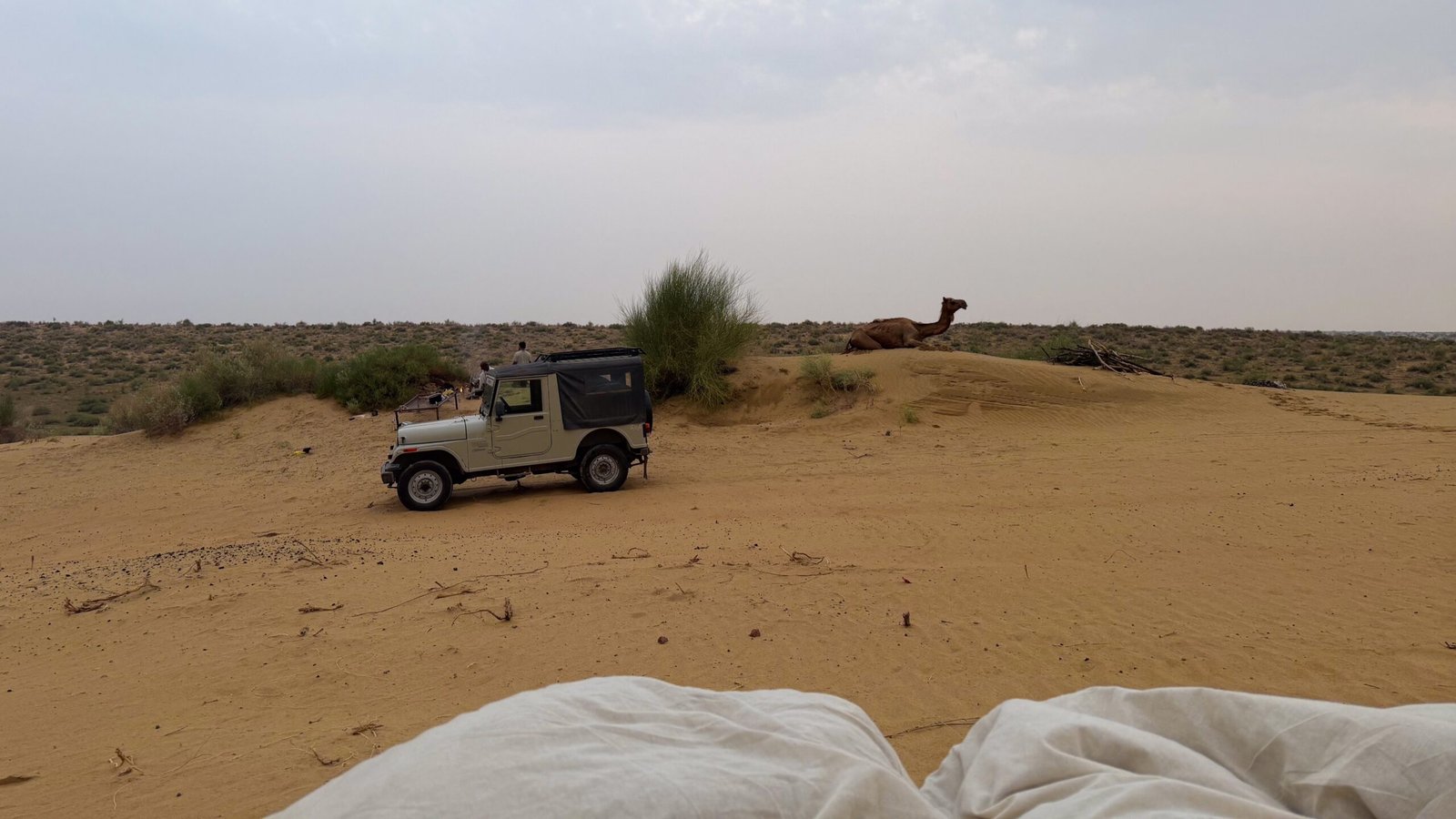
A wide view of the Thar Desert in Jaisalmer with a camel, jeep and bed for an overnight stay visable.

A trip to Jaisalmer is not complete without a trip out into the desert. Whether you have time for a day trip or an overnight stay, do not miss out on an adventure to Thar Desert. 

The typical tourist trips into the desert usually involve glamping tents, loud music, dune-bashing and lots of other tourists at Sam Sand Dunes. If that’s what you’re looking for then it’s perfect. But, if you’re hoping for silence, open space and a genuine trip into rural Rajasthan then Sam Sand Dunes will likely feel too crowded and not be the right choice. 

I wanted something real, authentic and unique so booked myself a private, one-night offbeat safari with a local raised in the desert. There were no bathrooms, no WiFi, and no tents – just a camel trek on untouched sand, hot chai over an open fire and sleeping right under the stars. 

If this sounds like something you’d enjoy too then here’s everything you need to know about an adventure into India’s desert state.

Sam Sand Dunes vs Authentic Desert Camping

Sam Sand DunesAuthentic Desert Camping
Vibe Commercialised, fast-paced and touristy Serene, quiet and traditional
Accommodation Resort-style camps & glamping Eco-huts & open cots
Crowds Heavily crowded No crowds
Entertainment DJ nights, folk dances, quad biking Stargazing, campfire chats
Cost ₹3,000 – ₹18,000+ ₹1,500 – ₹8,000

Tailoring Your Safari

One of the best parts about choosing to experience the Thar Desert through an authentic  local operator over a resort package is the flexibility it gives you. There’s no set hourly schedule and there’s not a overwhelming itinerary. 

Private v Shared Safaris: Opting for a shared safari is perfect for solo travellers, social travellers or budget-conscious travellers. Costs are lower as you share the jeep ride, the camel trek and the evening campfire. For complete flexibility and privacy, the private tour is incredible. By paying for a private jeep and guide, it gives you total control over the pace, route and stops. 


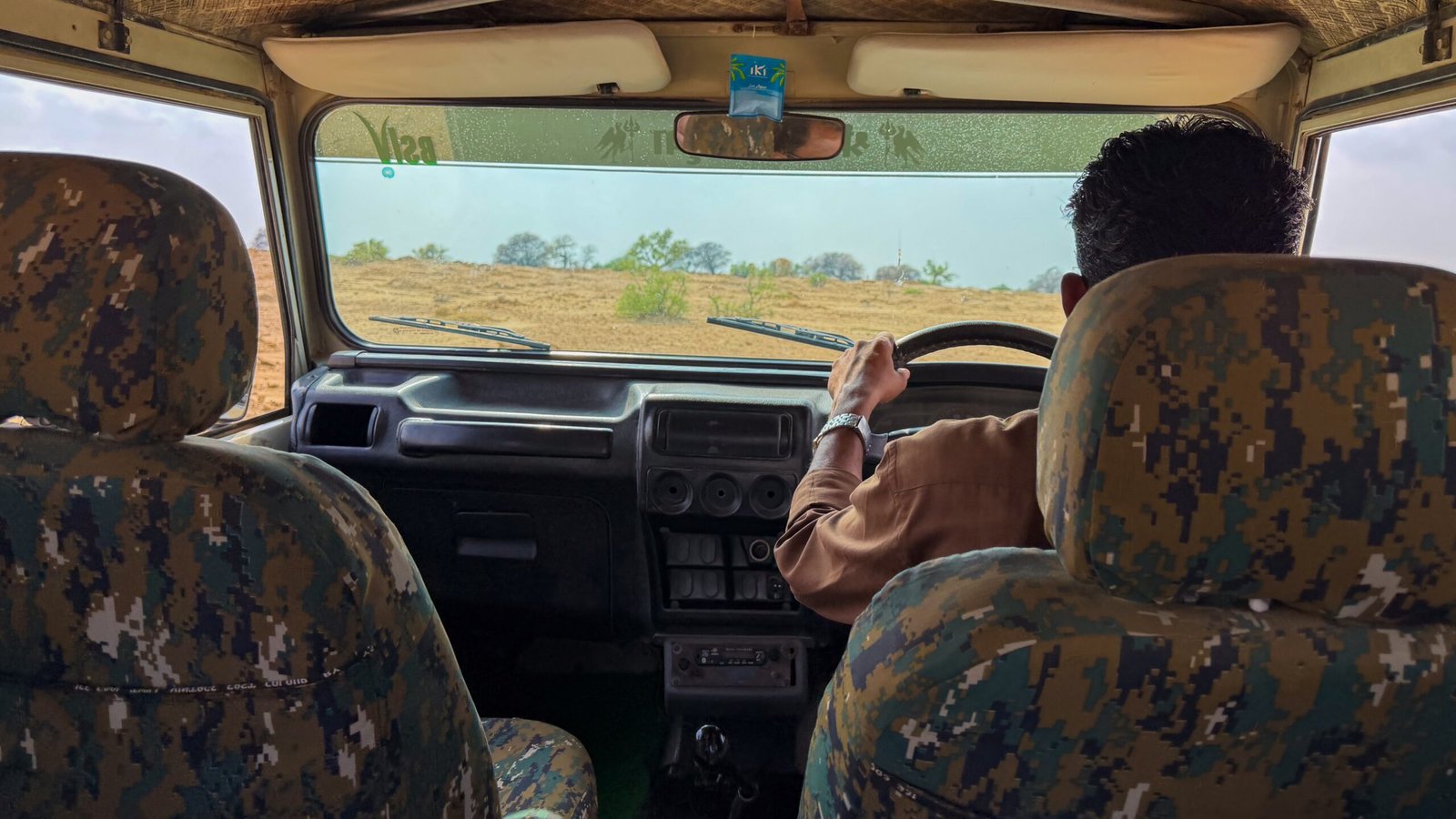
A view from the inside of a desert jeep looking out into the desert
Our driver and guide for our private desert adventure

Customising Your Stops: By opting for a local adventure, you’re able to adapt the basic route and stops to fit your interests entirely. If you’re interested in cultural and local life, the guides will cater the tour to that and if you’re more interested in nature and sights then the tour will mimic those interests. 

Duration: Desert safari durations can range from a day tour to a few nights in the desert. This means you are able to pick the adventure the most suits you, your preferences and the time you have available. The most common adventure is a one-night tour as it allows you to enjoy a few stops and sleep under the stars. 

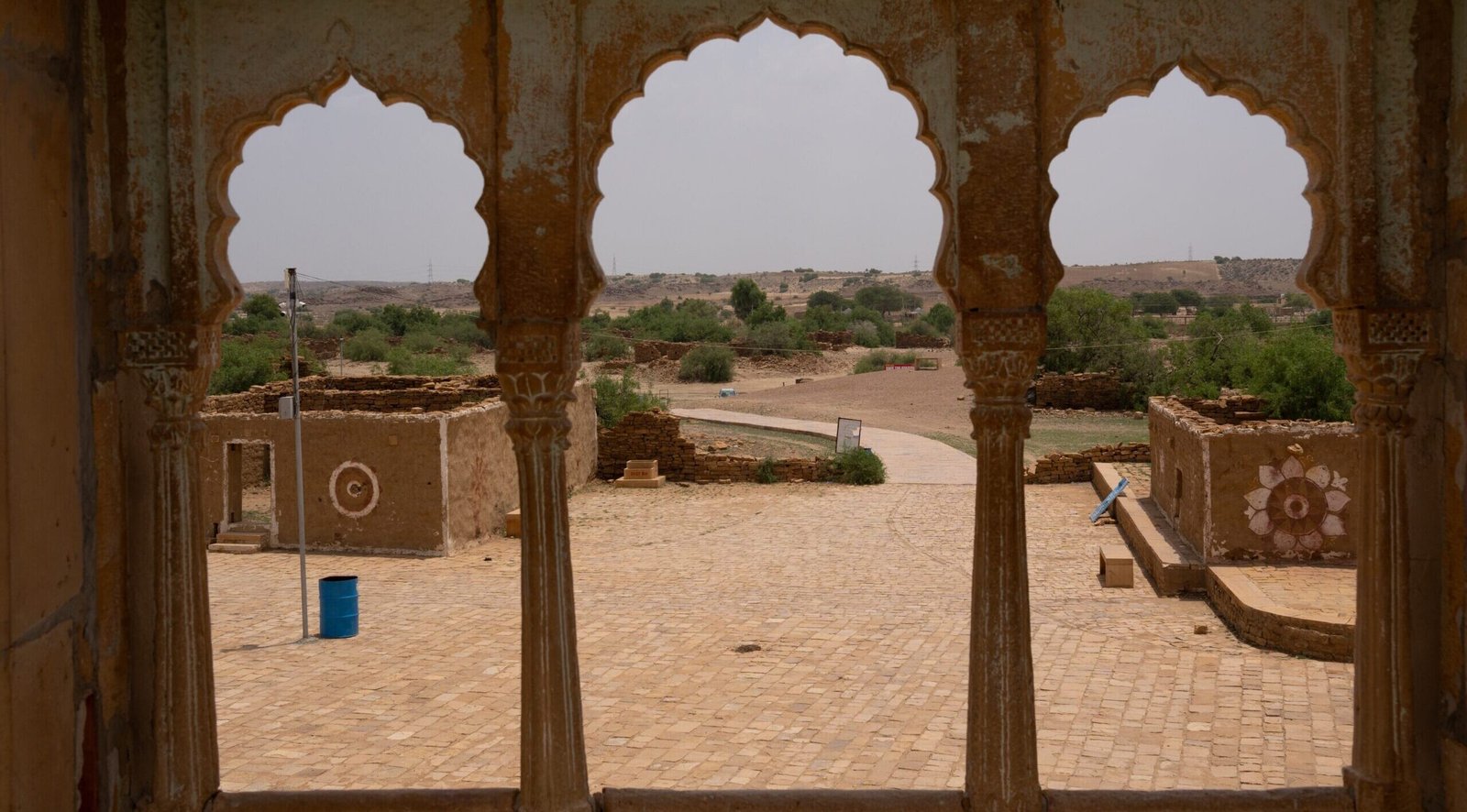
A photo from inside a traditional Rajasthani building looking out over the desert landscapes
Kuldhara Ghost Village - a typical stop that we skipped as we had visited it the day before

When to Go: Seasons and Weather

Thar Desert experiences extreme climate swings so it’s crucial to time your trip right to ensure you get the best experience possible.

Peak Season (October to March): The skies are clear, the days are warm and nights are cool making it the perfect time for a desert adventure. Everything operates at full capacity during this time.

Off-Season (May to August): The days are extremely hot at around 45°c with high humidity and possible dust storms. Many authentic tours shut down during these months and guides return to other seasonal roles like agriculture. For those tours operating, they will likely start much later in the day to avoid midday heat. 

Shoulder Season (April & September): At the start and end of peak season safaris will operate but likely with a reduced capacity and shorter days. 

I personally experienced the desert in off-season, at the start of August and was the first tour of the season for our guide. The desert was HOT in the daytime so we started our tour late in the afternoon and there was a thunder storm at night so we slept under rain, thunder and lightning – an eventful experience to say the least. 

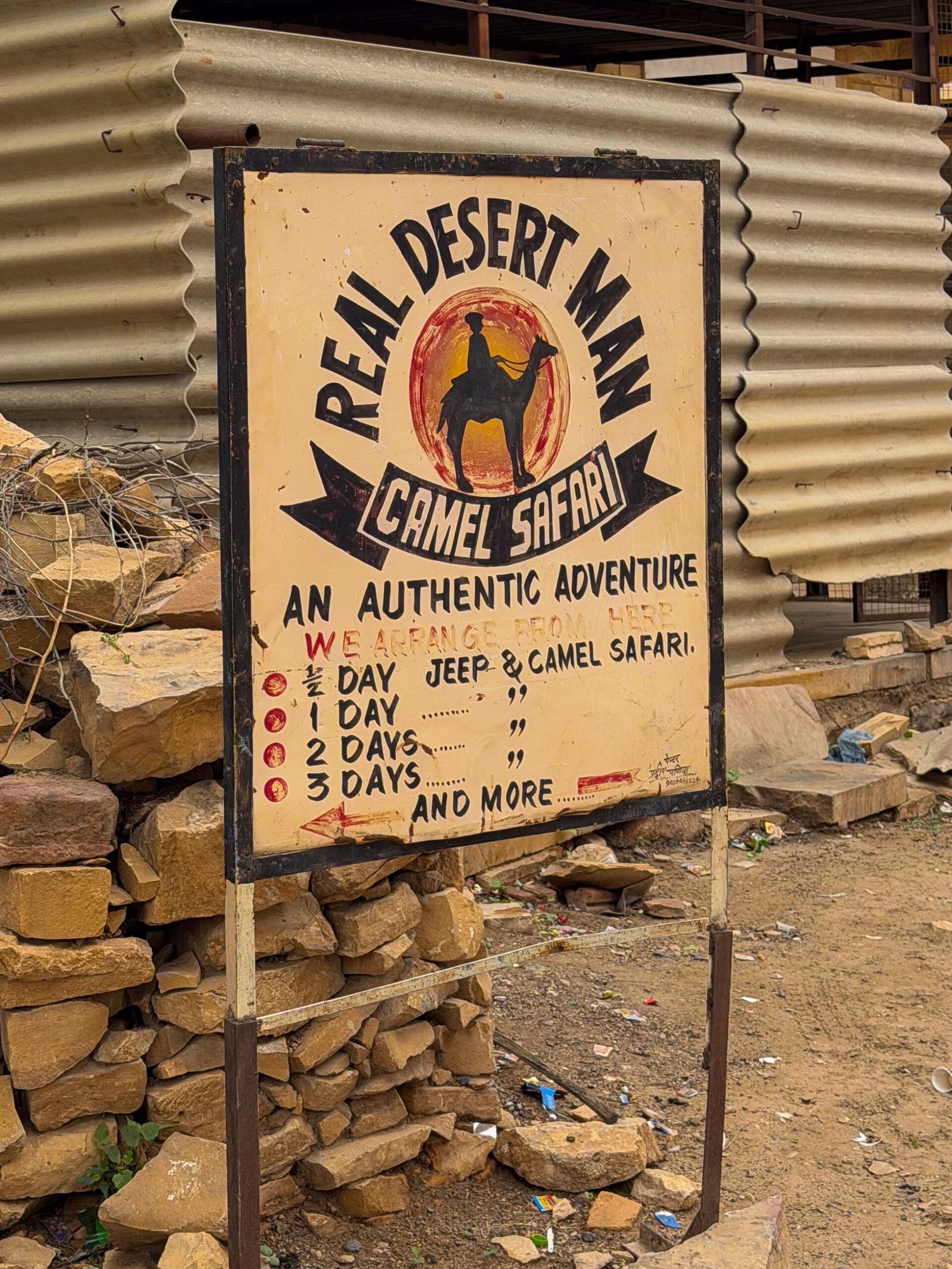
A sign reading "Real Desert Man"
A sign for our chosen company to experience this adventure with

The Itinerary: A Day in the Thar Desert

1. Departure from Jaisalmer @ 15:30

We dropped off our large backpacks at the hotel connected to the tour and set off with our tour guide on a jeep drive out of the city, towards the desert. 

2. Stop Number One @ 16:00

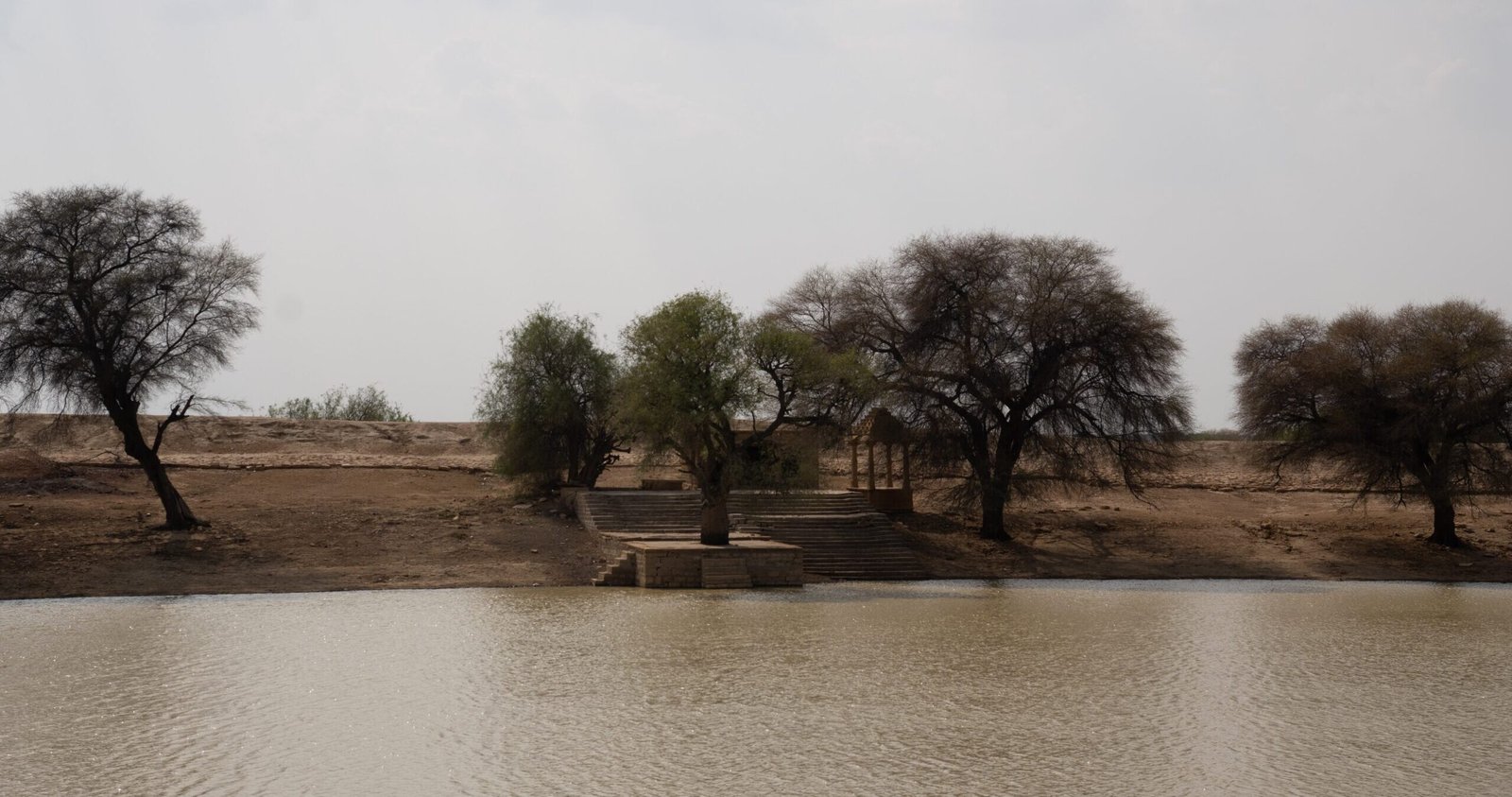
We had the option to stop at Kuldhara Ghost Village but had already visited the day before so we stopped at Jaseheri Lake for around ten minutes.

A pool of water in a desert landscape of Thar Desert, with trees and a sand structure on the edge
Stop one of the desert adventure

3. Local Village Visit @ 16:10

Our guide took us to his home in a small village on the route. We met his family enjoyed a warm masala tea with them. 

4. Jeep Desert Drive @ 16:30 

The next hour or so was spent driving through the desert roads, enjoying the scenery and the nature. 

5. Wild Camel Ride @ 17:30 

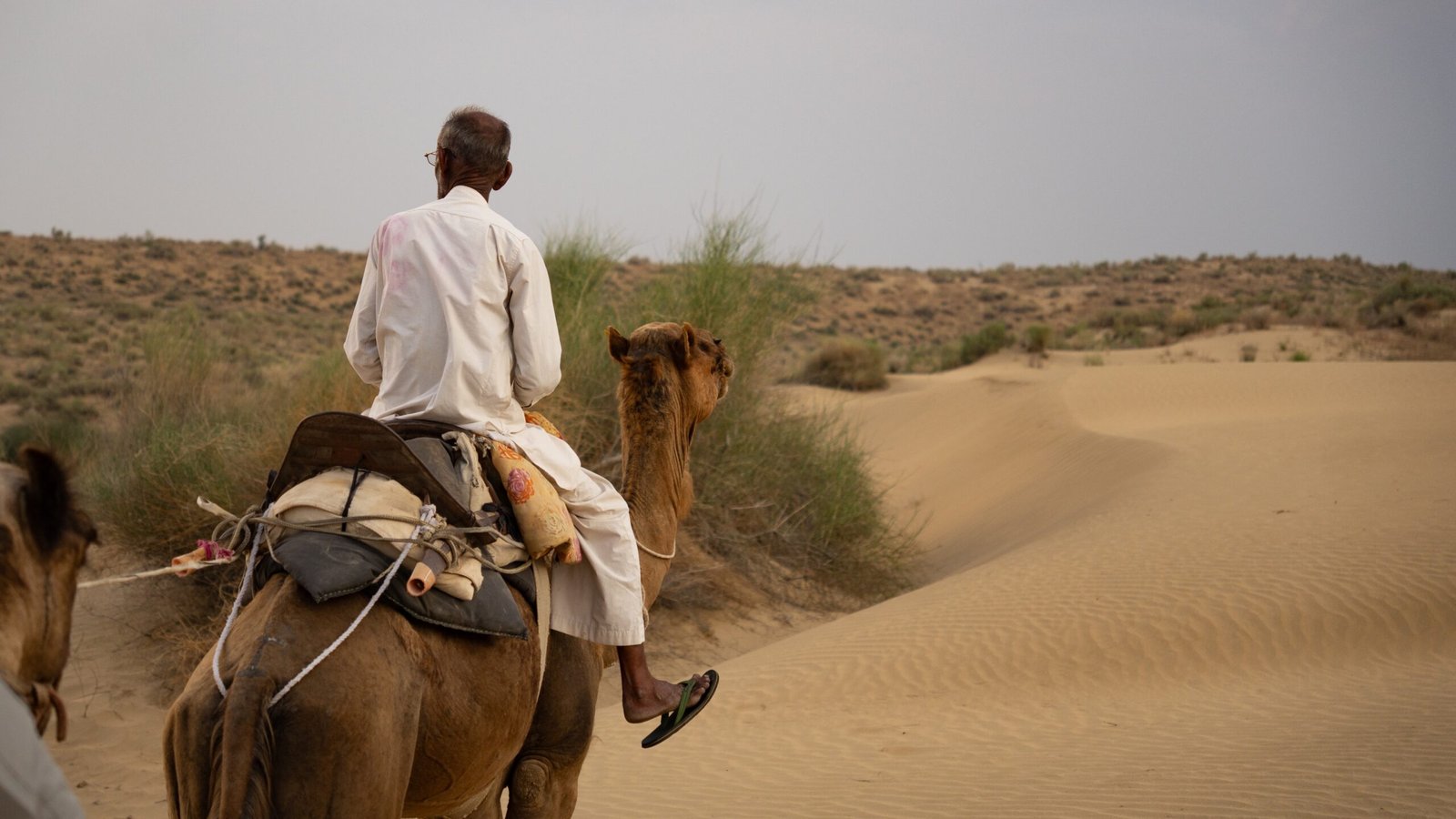
We met a local camel owner whose family had raised camels in the Thar Desert for over 600 years. He took us through beautiful remote desert landscapes and we talked with him the whole way. 

An elderly Indian man riding a camel through the desert
Our friendly camel owner leading us through untouched desert landscapes

6. Camp Arrival @ 19:00

We arrived at our private dune spot for the night where our guide had already set up our beds and set up some snacks of pakora and fryums with a hot masala tea for us. We spent some time relaxing and enjoying being disconnected from the world. 

7. Campfire Dinner @ 19:30

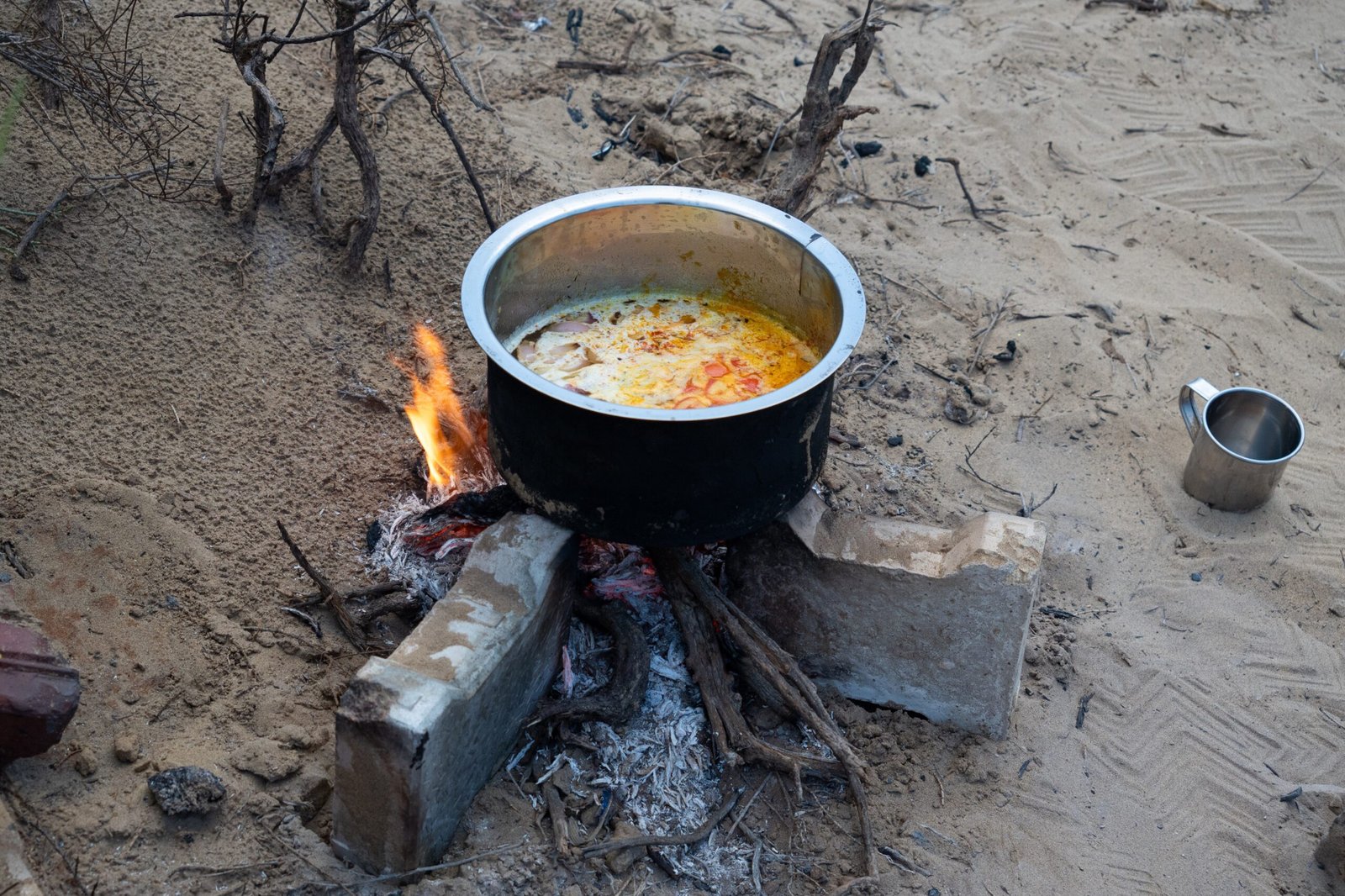
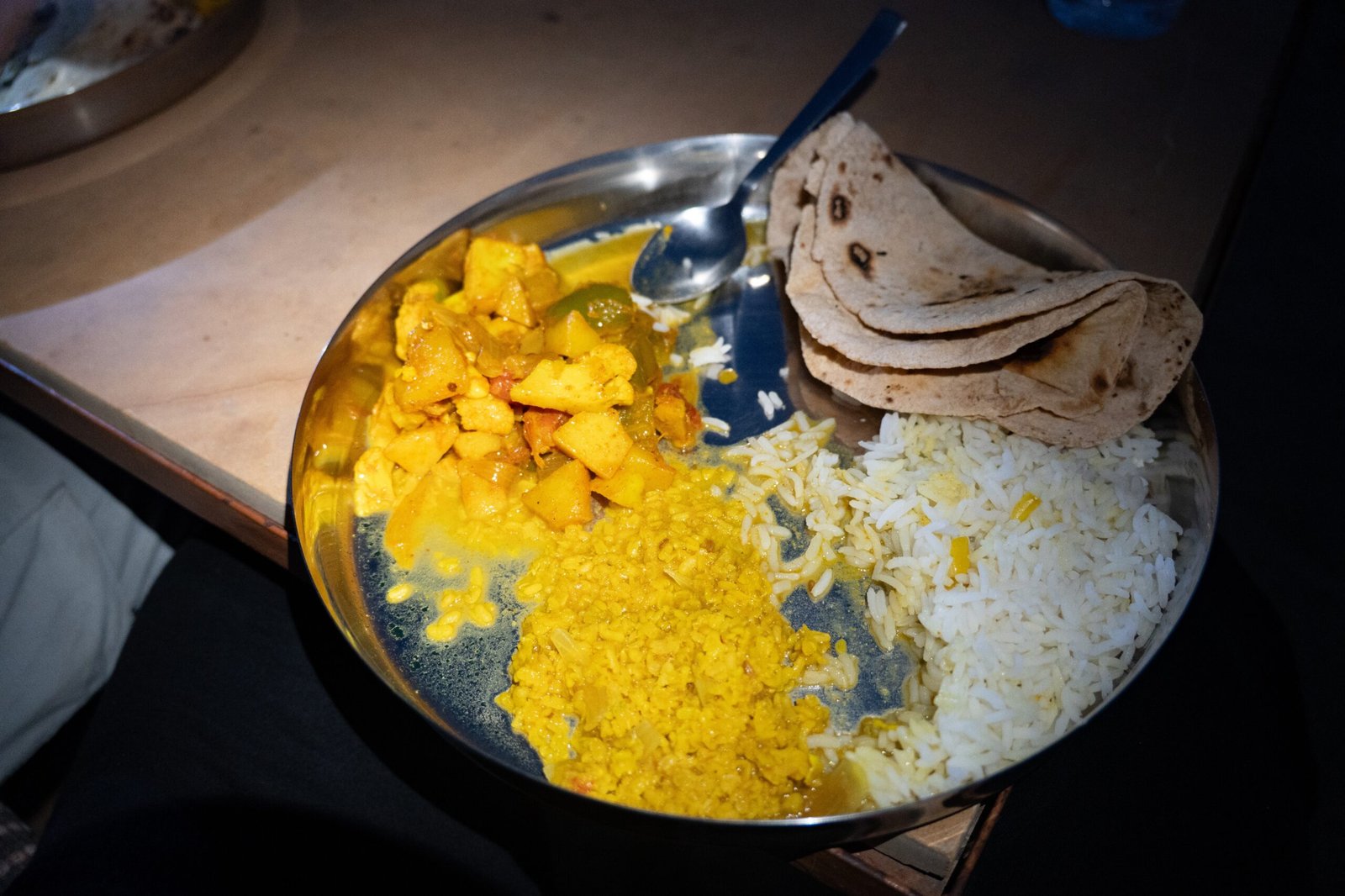
As the sun set in the distance over the dunes, our dinner was cooked over a campfire. We enjoyed a plate of rice, dal, roti and vegetables. 

8. Sleeping Under the Stars @ 20:30

As soon as the sky was completely black and the skies were out in full force, naturally it was bed time. As a thunderstorm rolled in, we enjoyed the starry sky and camels in the distance with a small fear of being struck by lightening on an open bed but eventually we fell asleep. 

A pot bubbling a food over an open fire in the desert
Our dinner being cooked over fire on the desert floor
A plate of food served in a metal tray, including dal, potatoes, rice and chapatis
Our desert-cooked dinner served in a metal dish

9. Wake Up Call @ 5:30

Naturally, we woke up as the sun began to rise, with a quick minor confusion of why we were in the middle of the desert! 

10. Desert Breakfast @ 7:00

Cooked over the campfire again, we were served a breakfast of porridge, bread, fruits and biscuits with tea. 

11. Morning Camel Ride @ 7:30

After breakfast, we said goodbye to our camp spot and rode the camels back a little way with their owner. 

12. Jeep Drive Back to Jaisalmer @ 8:00 

We hopped in the jeep and had a two-hour drive back to Jaisalmer city after an incredible experience. 

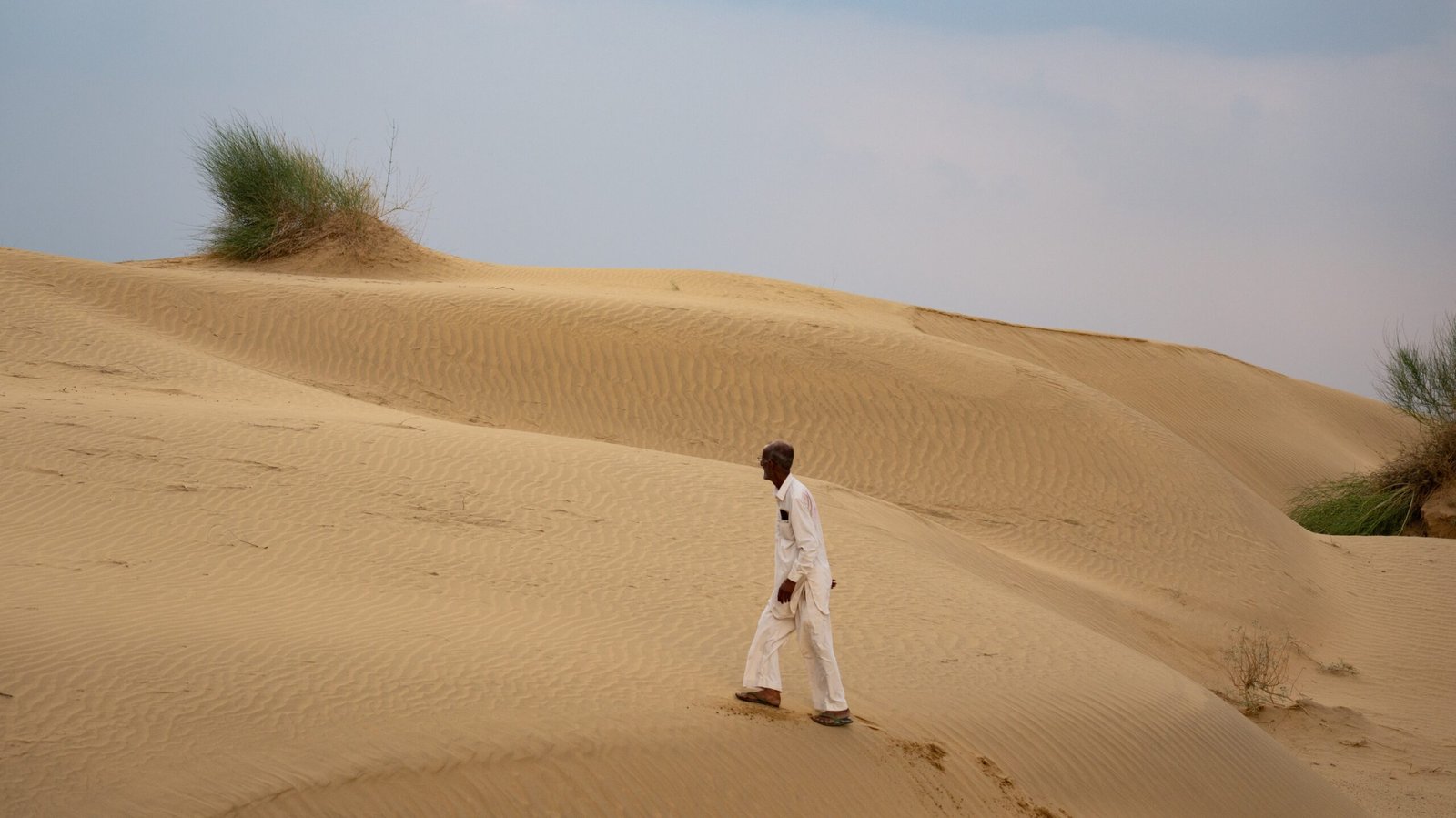
An elderly man walking across untouched sand in the Thar Desert
The camel owner walking across the untouched sand dunes

Logistics and Practical Tips

Booking: Booking online in advance is essential for peak winter months but for off-peak season you can usually book whilst you’re in the city. 

We booked a few weeks in advance just to be sure and discussed what we wanted from our experience via WhatsApp. 

Cost: My tour – a private, overnight, authentic jeep safari in the Thar Desert – cost 7000INR ($73) per couple. Shared options usually cost around 2000INR ($21) per person. Prices can range depending on what’s included and the tour company. It’s recommended to also tip your guide, camel owner and cook if you feel they deserve it – 200 to 800INR ($2 to $8.30) is fine. 

Inclusions: Jeep transport, custom stops, camel ride, guide, dinner, breakfast, drinking water, cots and bedding. 

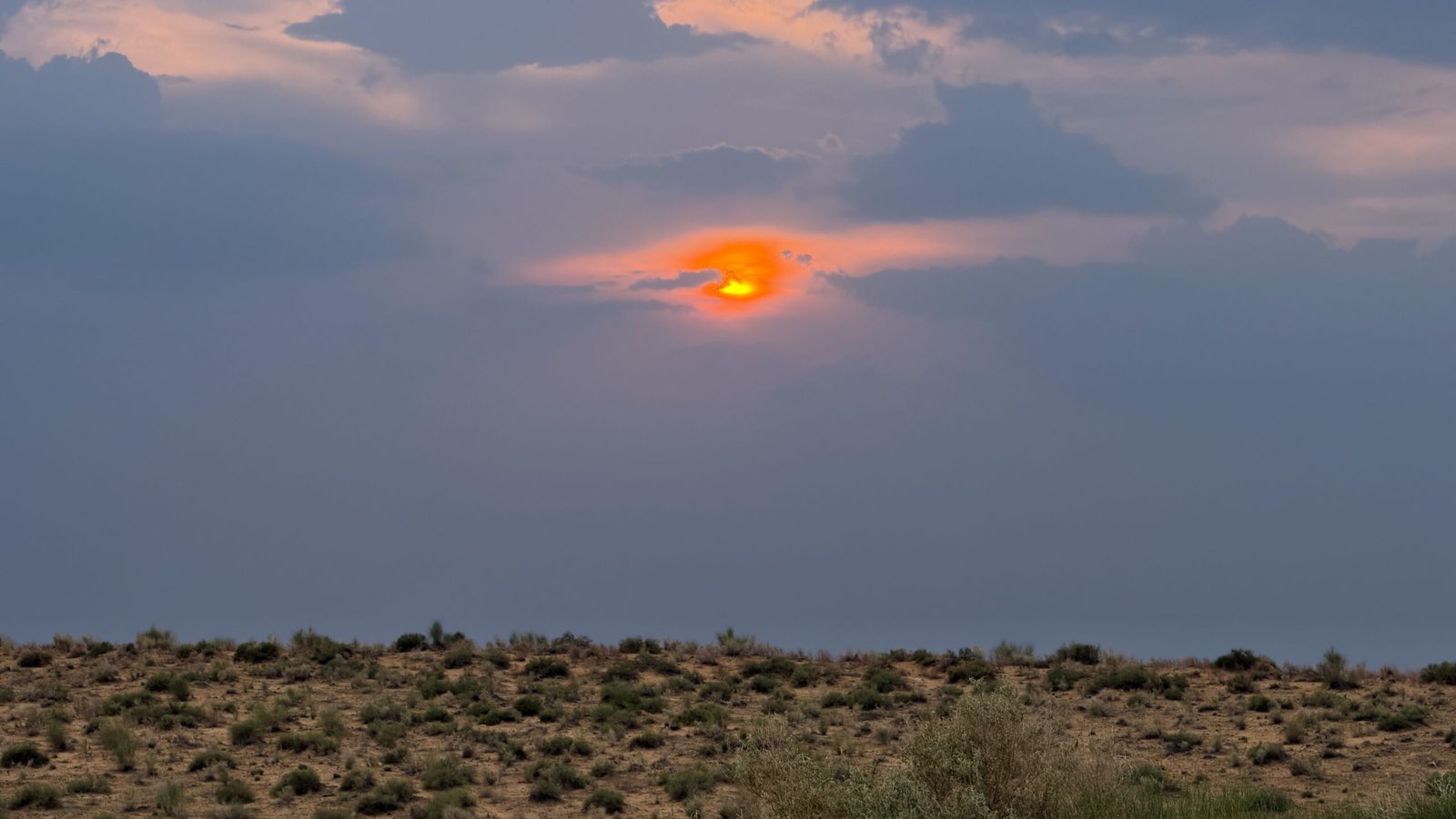
A pink, orange sunset above a desert landscape
The sun setting over the distant landscapes of Thar Desert

Packing Essentials: 

  • A warm layer and long sleeves for the chilly nights and sun protection.
  • A headlight or torch for once the sun goes down. 
  • Hand sanitiser, dental care, tissue paper and wipes for basic hygiene. 
  • A scarf to keep the sand out of your face during winds. 
  • Suncream for the intense UV. 
  • A dry bag for valuables in the off chance you get caught in the rain.

Tip: There’s no mosquitos in the desert so you don’t need mosquito repellant. 

Frequently Asked Questions (FAQs)

What do you do about the bathroom in an open desert? 

As you’re completely off-grid, there are no physical toilets. Find a private spot and let nature be your toilet. Ensure you carry tissue paper or wipes and a small plastic bag for tissue waste. 

Where do you leave you luggage during the safari? 

A small day bag is sufficient for a desert trip as you will only need to take small things with you. Almost every tour operator will have somewhere to store your other luggage whether it’s an office in the city or an affiliated hotel.

Is sleeping in the desert safe? 

Yes. The secluded dunes are far from settlements, theft in non-existent and local guides will sleep nearby if there’s any issues. Desert wildlife (like small lizards and desert foxes) will avoid humans.

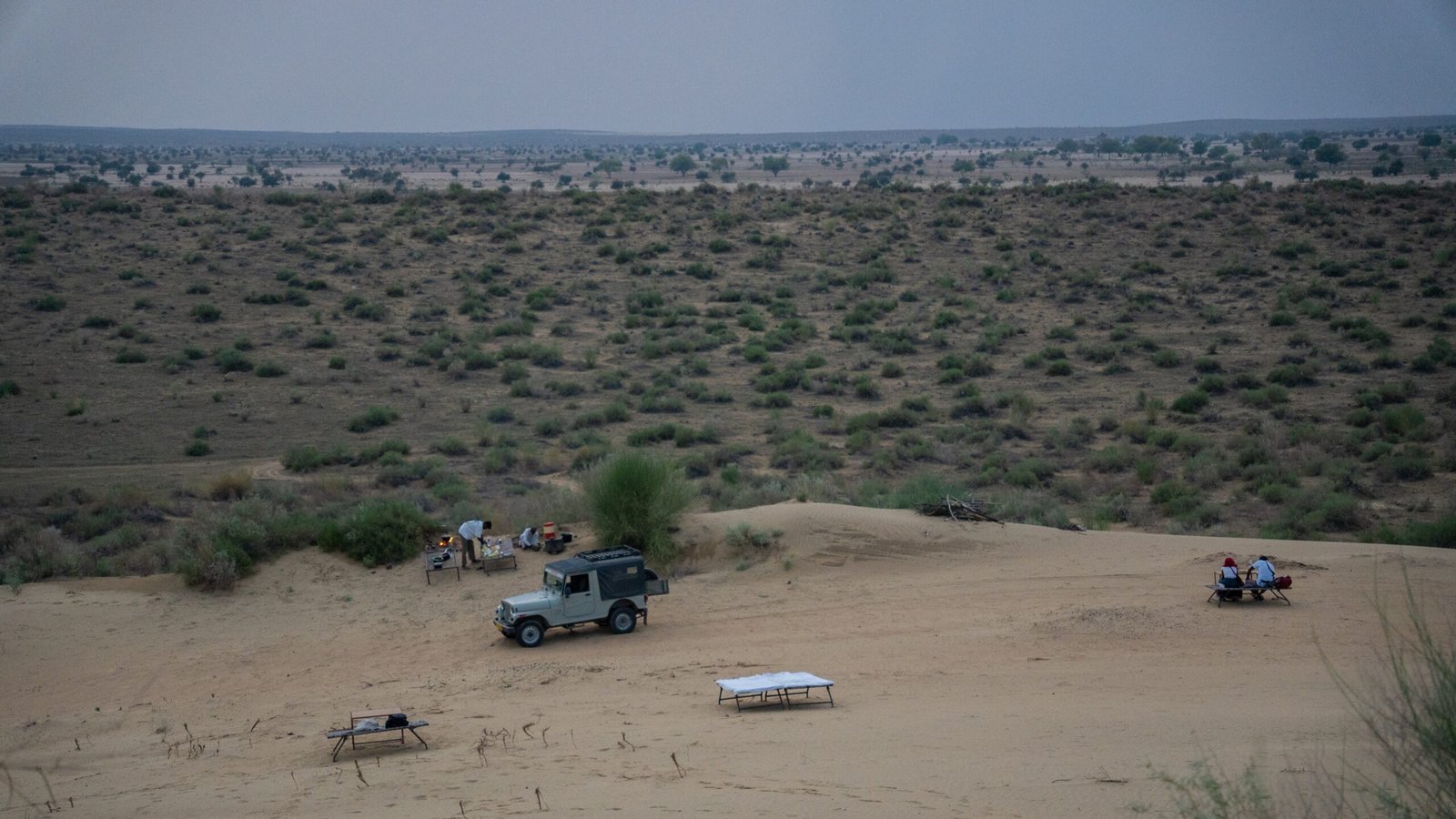
An overview of a desert stay in the Thar desert set up with a jeep, open fire and beds
Capturing a shot from my toilet spot, far from the little camp, behind a lot of shrubs

 Is there phone signal or charging points? 

There’s usually no stable mobile service in the desert although you may find spots here or there that work. As for charging, you’ll need to bring a portable charger or embrace the disconnected lifestyle. 

Do they cater to dietary restrictions? 

The food provided is often simple dishes like dal, roti, rice, and porridge so it’s suitable for vegans and vegetarians. If you have other dietary restrictions or allergies then contact your tour provided beforehand to ensure they are aware and can cater to your needs. 

Are the camels treated well?

Unlike the high-volume commercial camps where camels work continuously, small operators partner directly with local villagers whose families have raised camels for generations. The camels are well-fed, rested in midday heat and carry only one passenger.

Note: I was very sceptical about the camel riding as I’m conscious about animals being treated ethically, especially in tourism but after hearing about the tradition, our camel owner’s longstanding heritage of being camel owners, and directly seeing how they were treated, I felt differently in this instance.

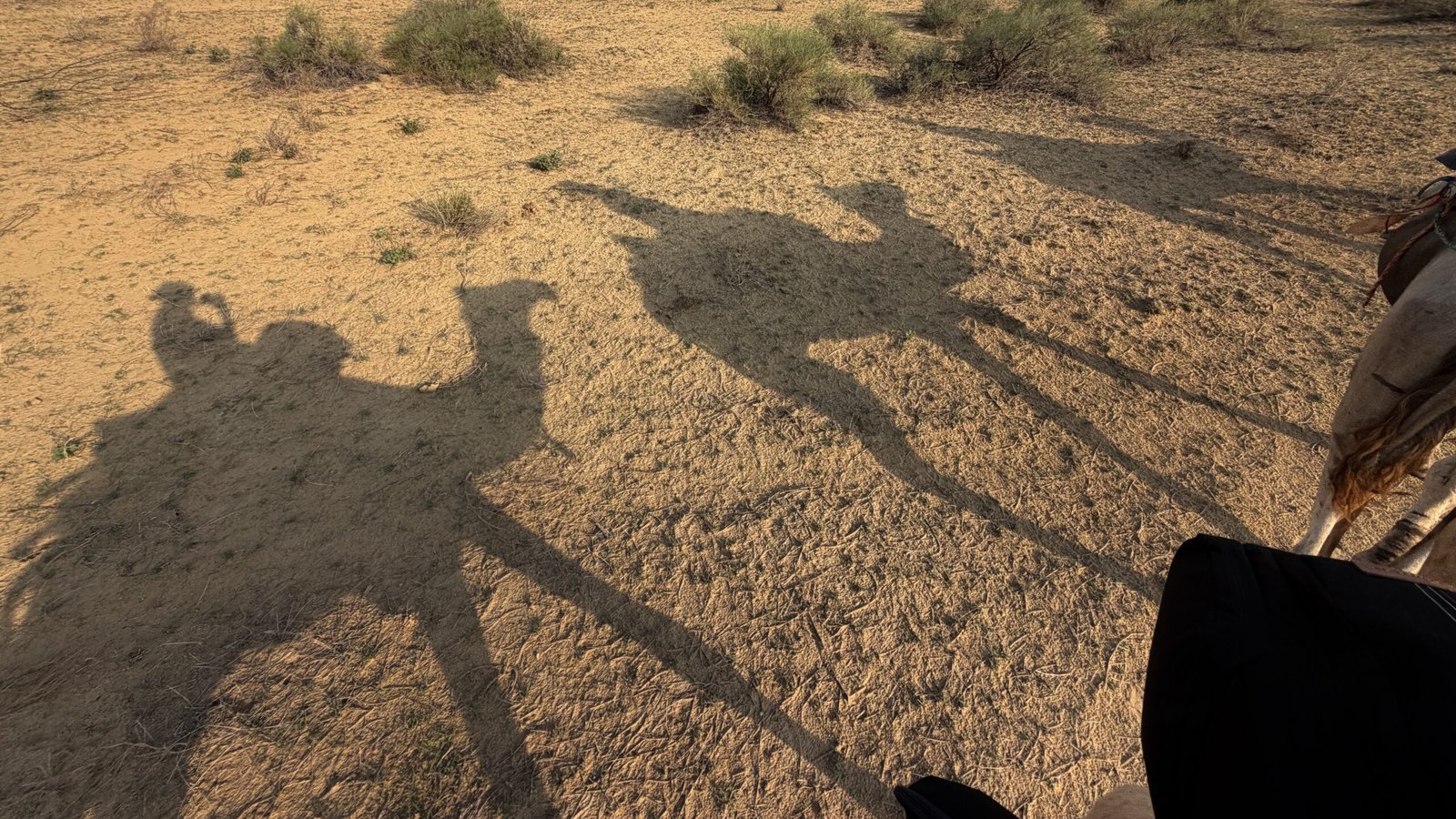
The shadow of 3 camels with riders riding through the Thar Desert of India
The shadow being cast by the lowering sun of us and the camels

What happens if it rains during the night? 

If the rain is light then you’ll get a little wet but if the weather is intense with sandstorms and heavy rain then the guides will put up heavy tarps to shelter your sleeping space. If it becomes dangerous, the guide will likely take you back to the city for safety. 

From first-hand experience:  When we experienced thunder and lightning and a little rain, we got a little wet and a little panicked but our guide assured us that he would keep us safe if it got worse. Remember they do this for a living, they know when to abandon a night in the open desert and when you’ll likely be fine.

Blog Posts

Here's everything you need to know about how to get there, what there is to see, scams to be aware of and how to deal with the hundreds of resident monkeys.

If you want to watch the sun set over the Old City, or walk along an ancient stone wall, this guide breaks down Jaipur’s best viewpoints - complete with tips, costs and more.

The Blue City is one of Rajasthan’s most iconic destinations. This complete 3-day Jodhpur guide covers everything you need to know before heading on your own adventure.

Scroll to Top