
Yugoslavia’s Top-Secret Underground City: Visiting Tito’s Bunker in Konjic
This post contains affiliate links, which means I may earn a commission if you make a booking, at no extra cost to you.
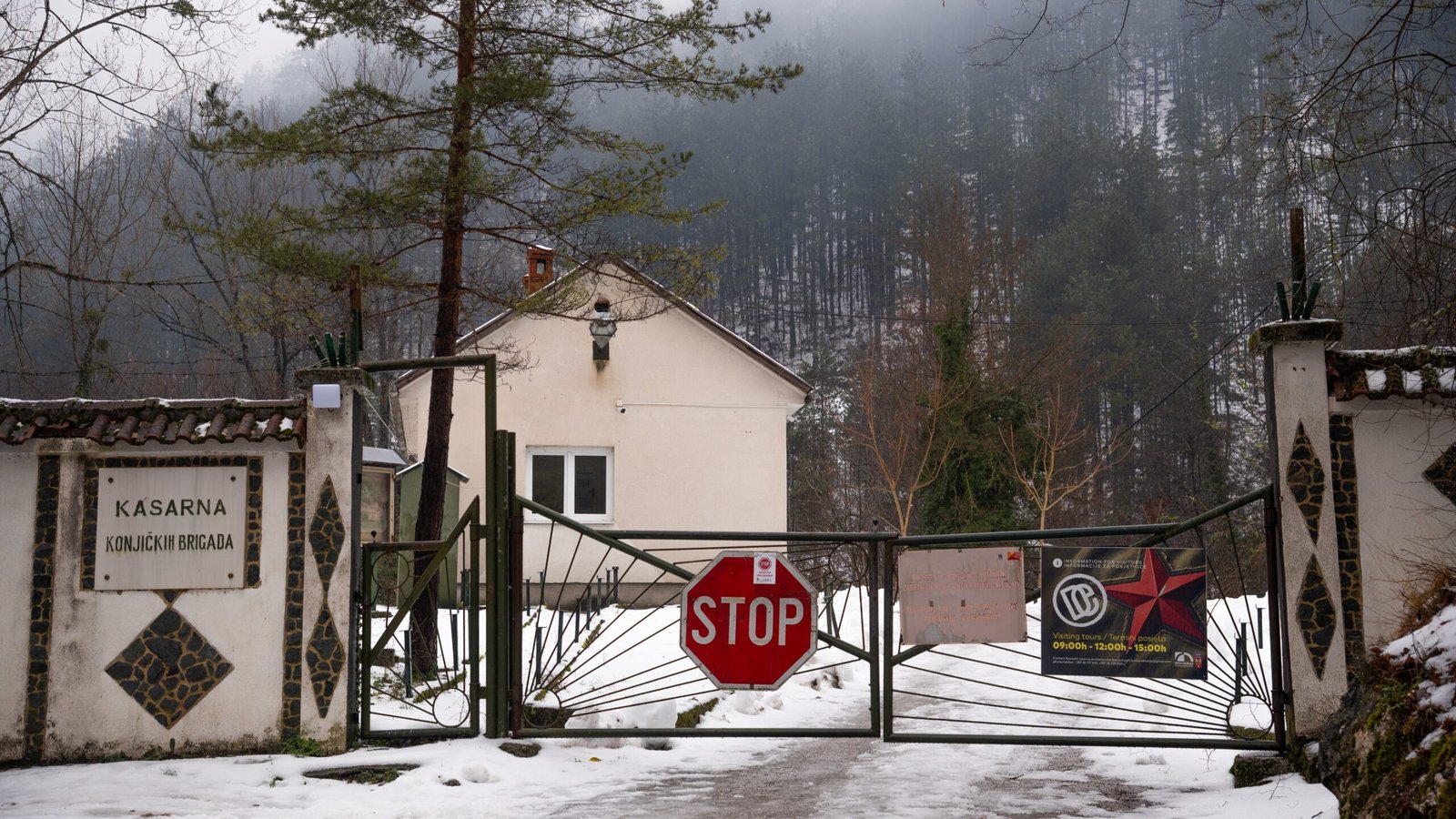
Tucked away in the quiet Bosnian town of Konjic, hidden beneath an unassuming residential house along the Neretva River is one of the most expensive secrets of the Cold War… ARK D-0 or more commonly known as Tito’s Bunker.
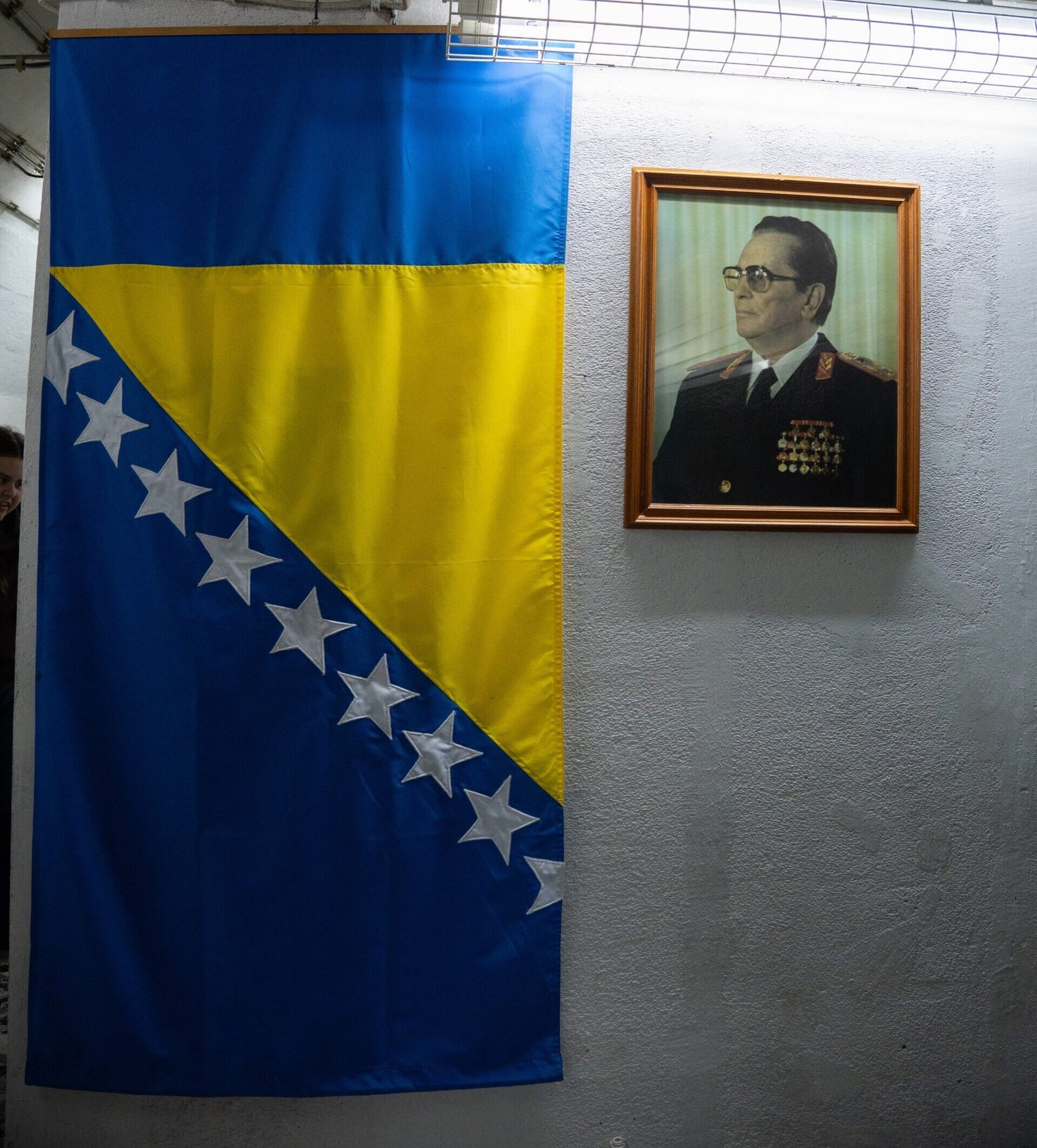
The bunker was built in complete secrecy for 26 years as a shelter for the Yugoslavian President, Josip Broz Tito, to protect himself, his family and 350 of Yugoslavia’s military and political leaders in the event of nuclear war.
As one of the most fascinating historical sights in the Balkans, this literal hidden gem absolutely deserves a spot on your Bosnia itinerary. Here I’ll share everything you need to know before visiting Tito’s bunker, and a story about one of my biggest travel fails of all time.
Interesting Facts About Tito’s Bunker
- The Cost: The bunker cost around 4.6 billion USD to construct which makes it one of the most expensive military projects in European history.
- Intense Secrecy: During construction between 1953 and 1979, construction workers were blindfolded on their way to the location so they never knew the bunker’s location. Only 16 people in the military knew the location of the bunker when it was completed.
- Built to Survive Devastation: The complex was built 280 meters deep into Zlatar Mountain behind 100-ton blast doors which were expected to withstand a 25-kiloton nuclear explosion. (For reference, Hiroshima was a 15-kiloton explosion).
- Tito Never Used It: Despite spending billions of state funds to build this huge bunker for his own safety, Tito died in 1980 without ever stepping foot inside.
- Saved From Detonation: Following the end of the Cold War in 1991, the Yugoslav army was ordered to destroy the bunker. Two officers defied the orders, deliberately cutting the detonation wires and leaving the bunker to stand as an impressive time capsule today.
What It’s Like Inside the Bunker
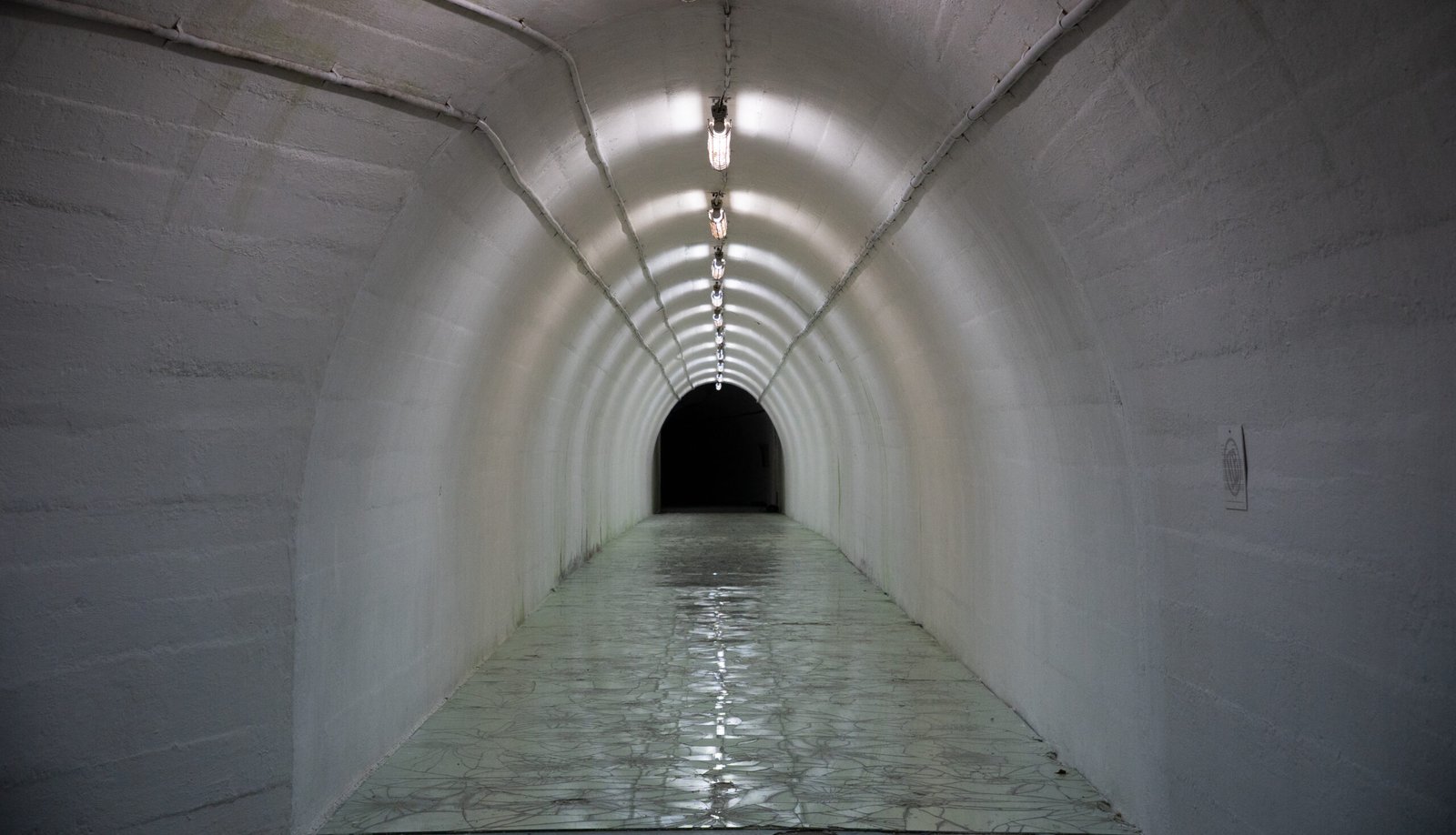
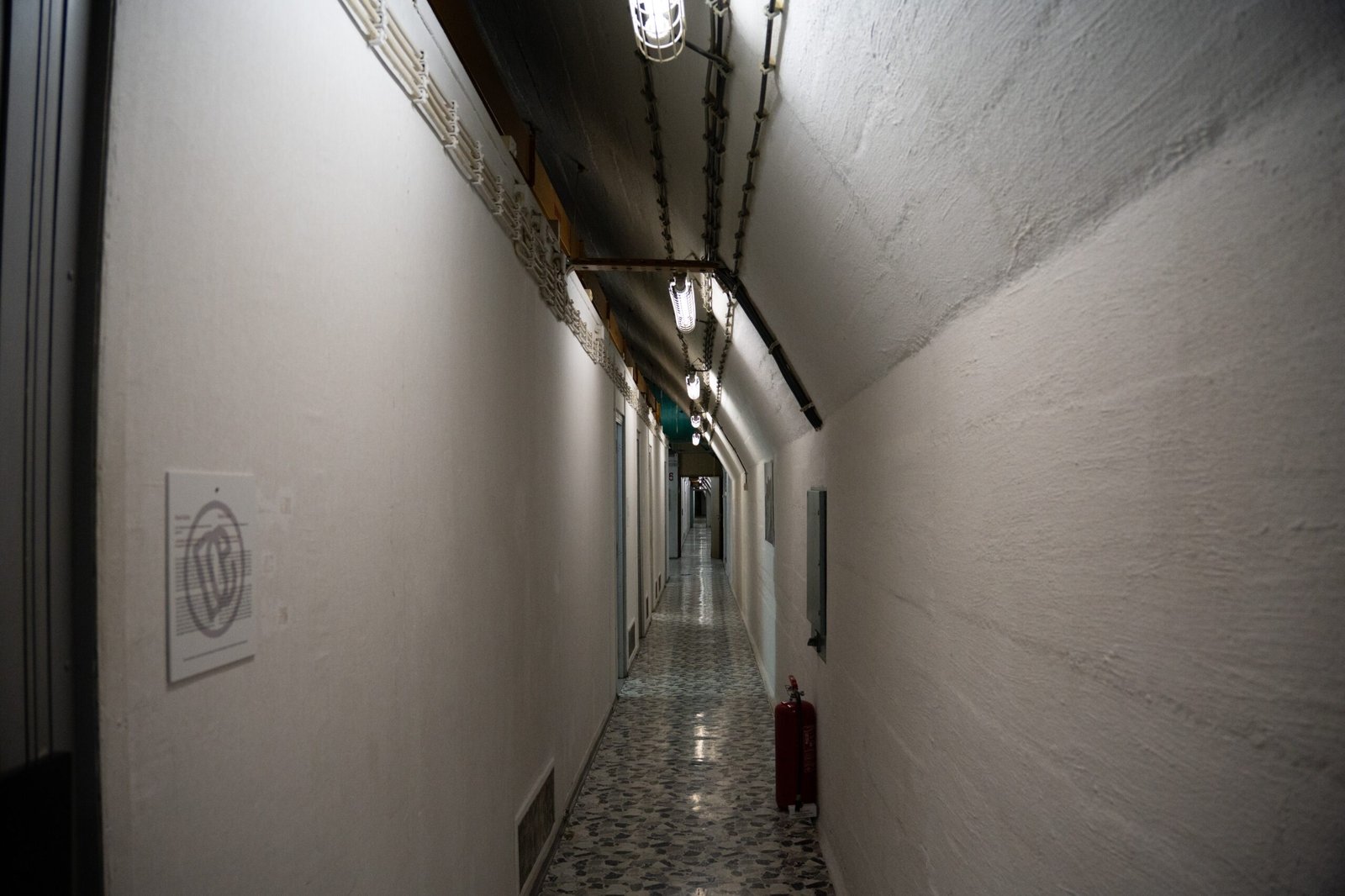
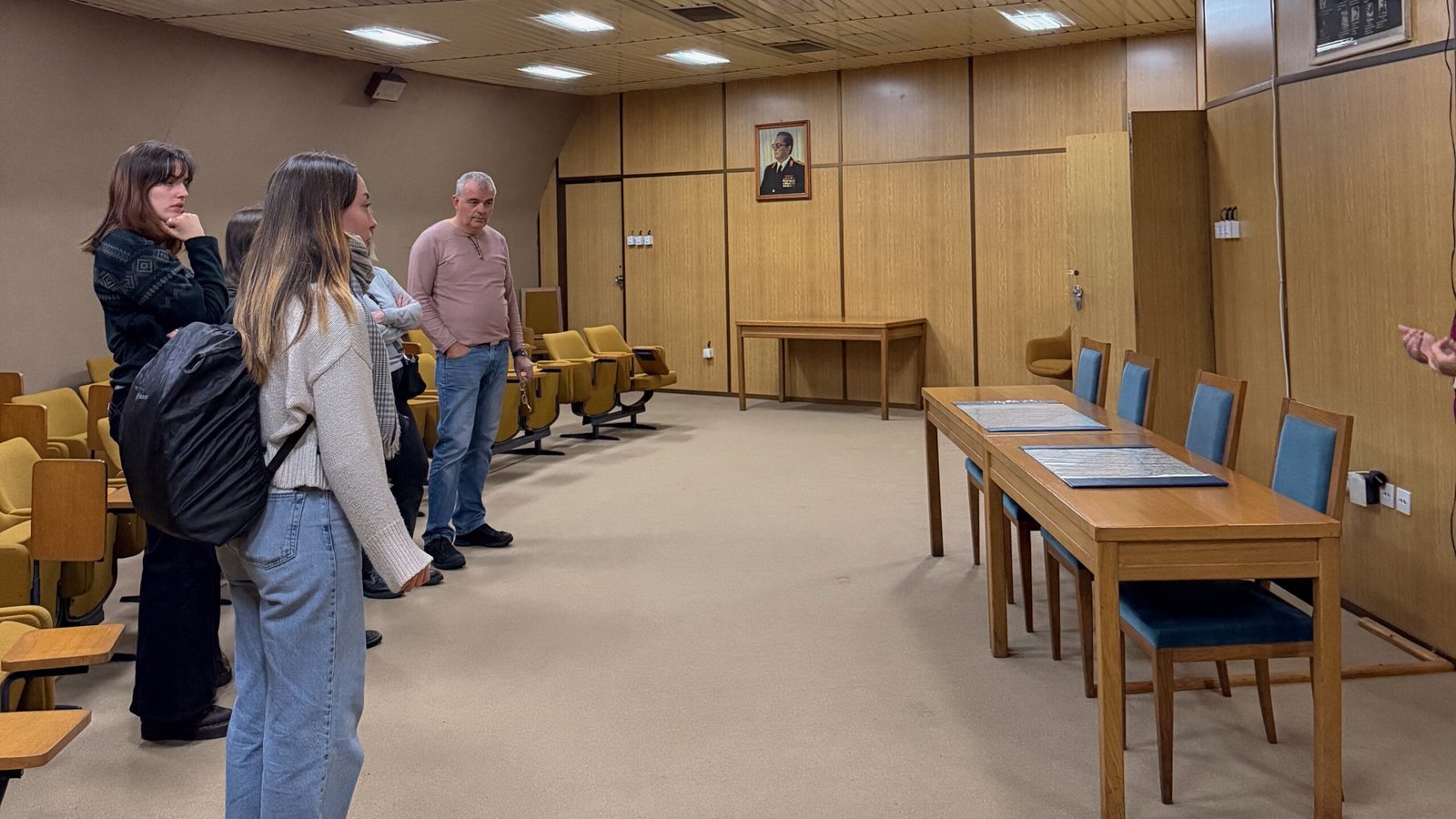
The entry to this ginormous underground complex is through a regular house front door. You head through a long corridor and step directly through heavy steel doors into a solid-rock cavern.
The bunker is preserved almost exactly as it was left at the end of the Cold War. You’ll find:
- Command Centres and Teletype Rooms: Rows and rows of original red Yugoslav rotary phones, teletype machine, world maps and military switchboards.
- Private Residential Suite: Tito’s family quarters with silk wallpapers, private bathrooms, a study and vintage furniture.
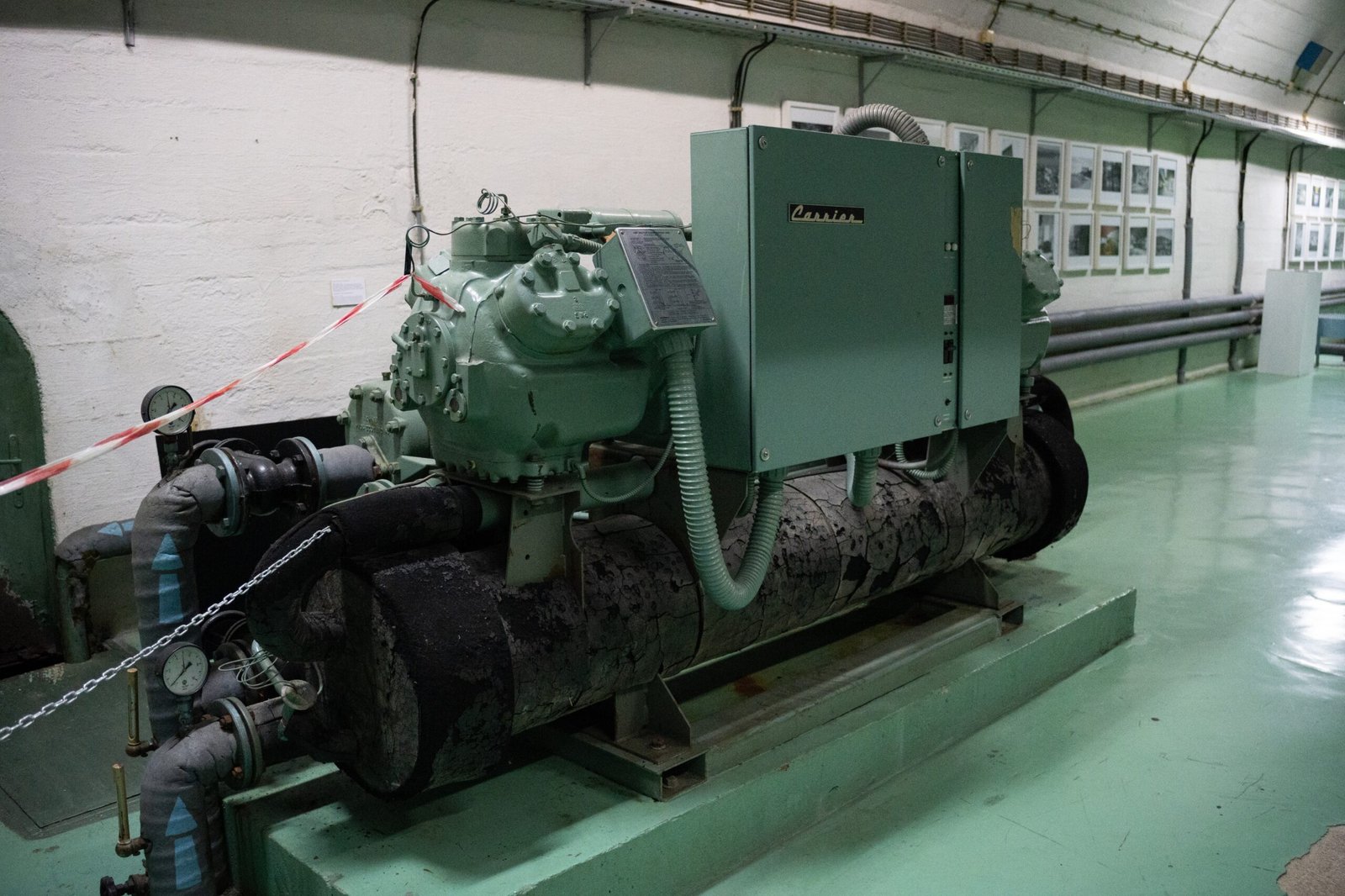
- Support Systems: Huge power regenerators, water filtration tanks and air purifiers designed to keep up to 350 people alive for 6 months without leaving the bunker.
- Contemporary Art Museum: Since 2011, the bunker has also been home to a contemporary art museum which blends 1970s military hardware with surreal modern installations.
Bunker Temperatures: Once you enter the underground space, expect to be at a comfortable temperature of 21°C (70°F) year-round.
What to Expect on the Tour
Here are a few things to be aware of before heading on your tour:
Photography Rules: Photography, mobile and camera, is allowed throughout the bunker (without flash) but videography is prohibited.
Tour Duration: The guided tours last between 60 and 90 minutes.
Facilities: There is a restroom inside the house at the entrance but there are no facilities inside the underground bunker so use it before the tour begins.
Accessibility: The bunker is flat with easy walking but some of the narrow walkways are not accessible for large wheelchairs. Check beforehand with the bunker staff for specific advice.
How to Visit Tito’s Bunker: Essential Logistics
As the complex is located inside an active military-controlled space, this is not the kind of place you can just turn up and walk inside – you must book an official tour in advance.
Getting to Konjic:
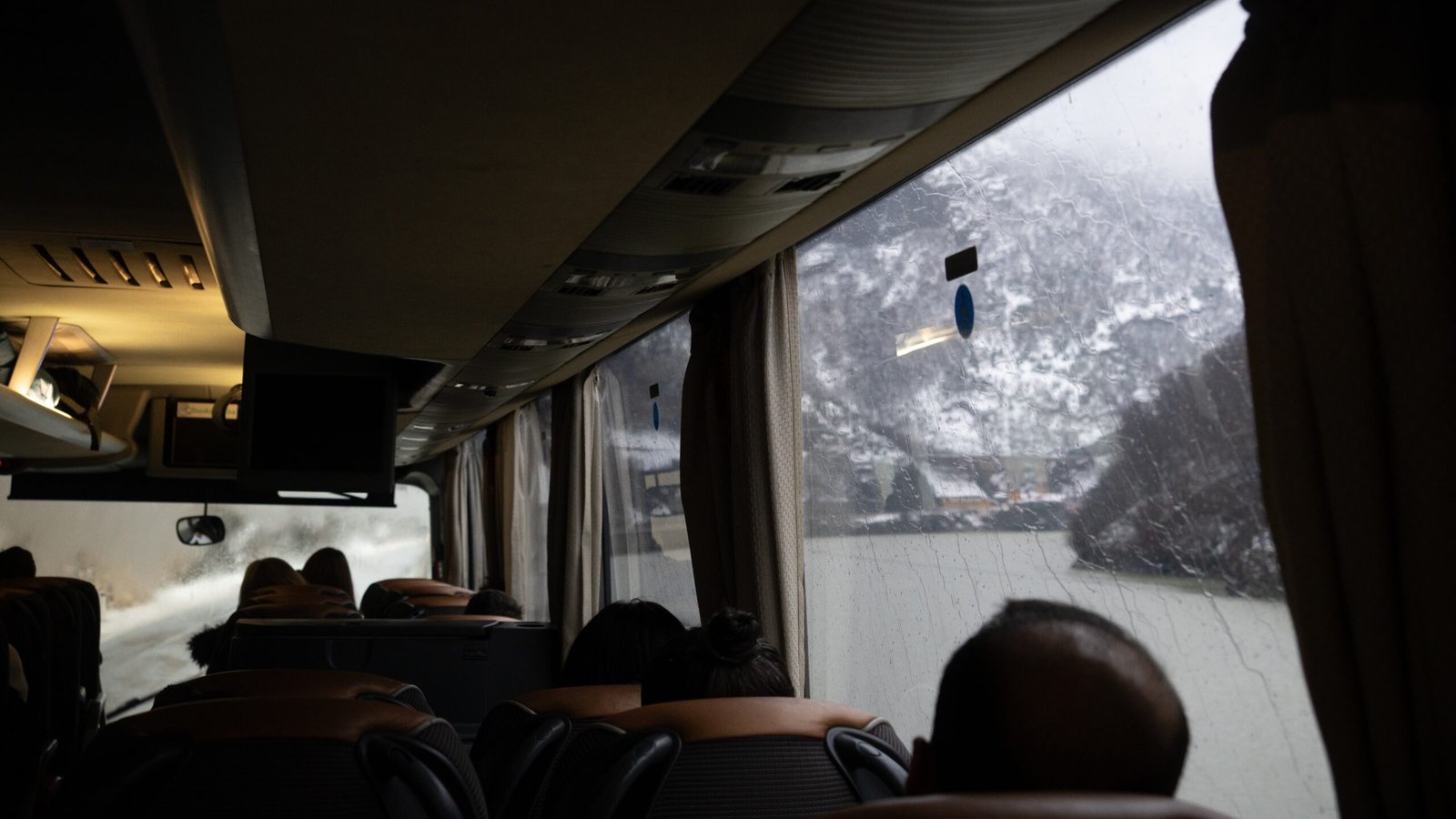
Conveniently, Konjic is located on the main transit route between Sarajevo and Mostar making it a really simple stop, especially if you have a car rental. The drive is incredibly scenic and the bunker offers free parking.
Alternatively, if you are travelling by public transport, buses and trains run from Mostar to Sarajevo (and vice-versa) with Konjic being a stop along the way. Buses run more frequently than trains but both are affordable options, costing no more than 15 BAM (€8 / $9) one-way.
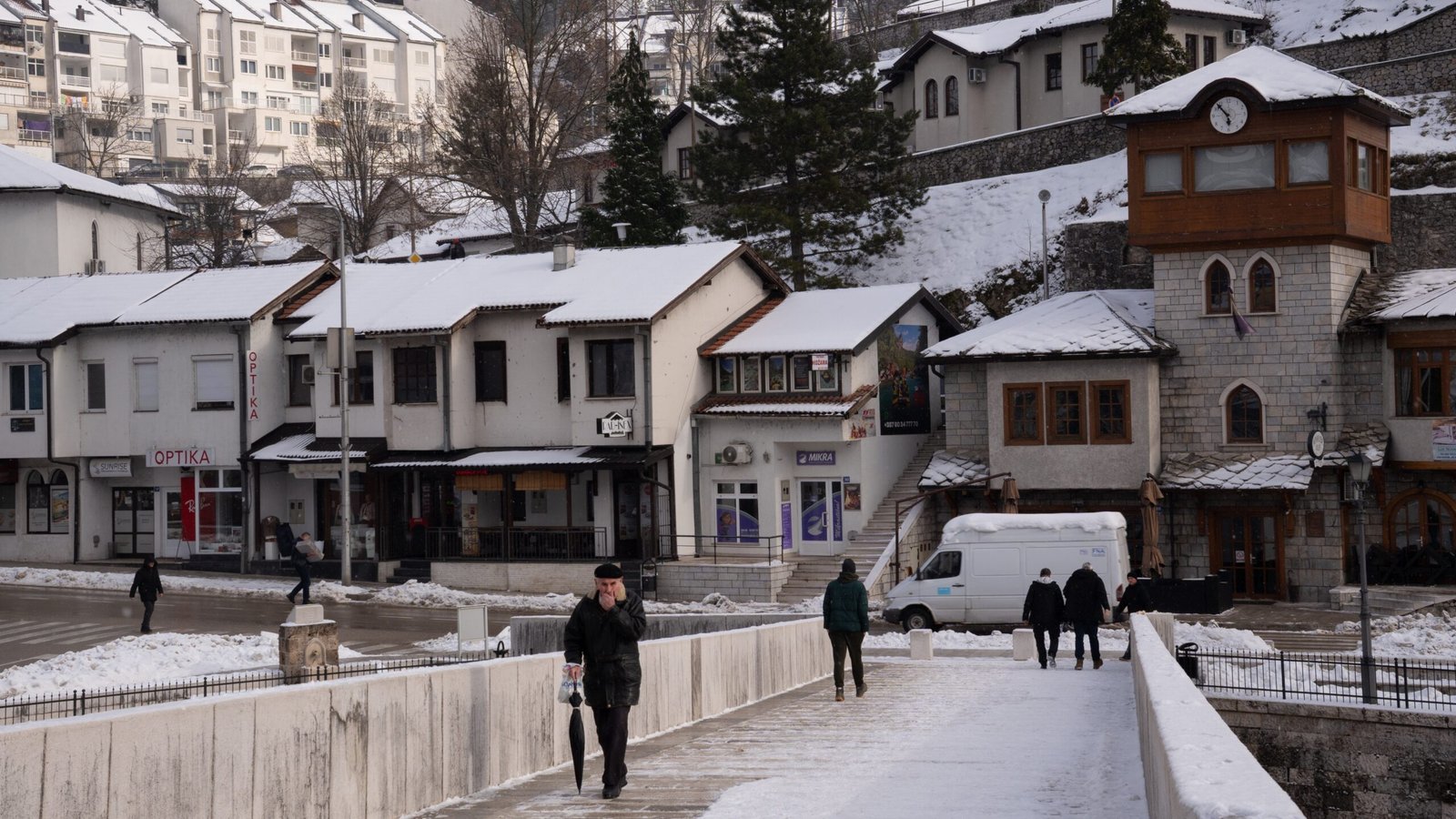
The public transport will drop you in the town, where you can explore the beautiful town of Konjic – be sure to grab a Bosnian coffee at a local spot or grab lunch by the river with beautiful views.
From Konjic town, Tito’s Bunker is located around 5km outside of the town. In peak summer months, local agencies will arrange a minibus from their office to the site but in off-peak season you have to find your own way.
Taxis from the town to the bunker cost around 15 BAM (€8 / $9), there are taxi spots in town or just WhatsApp a company to arrange the journey.
Story time - Travel Fail:
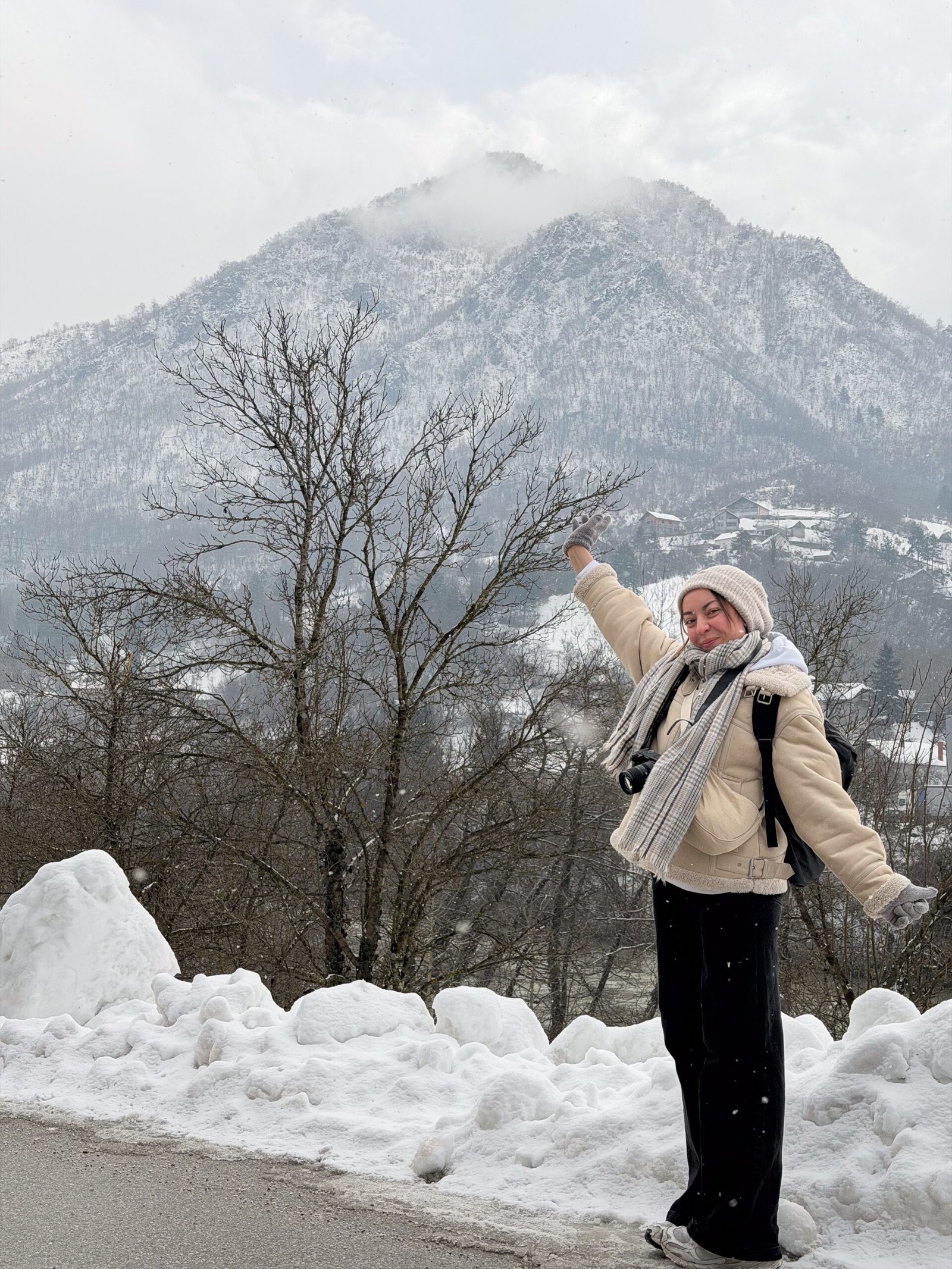
I’m usually a well-organised traveler, but my own trip to Tito’s Bunker during an icy day in January became a little bit of a disaster.
Since Konjic is located directly between Sarajevo and Mostar, I decided to visit during transit between the two cities.
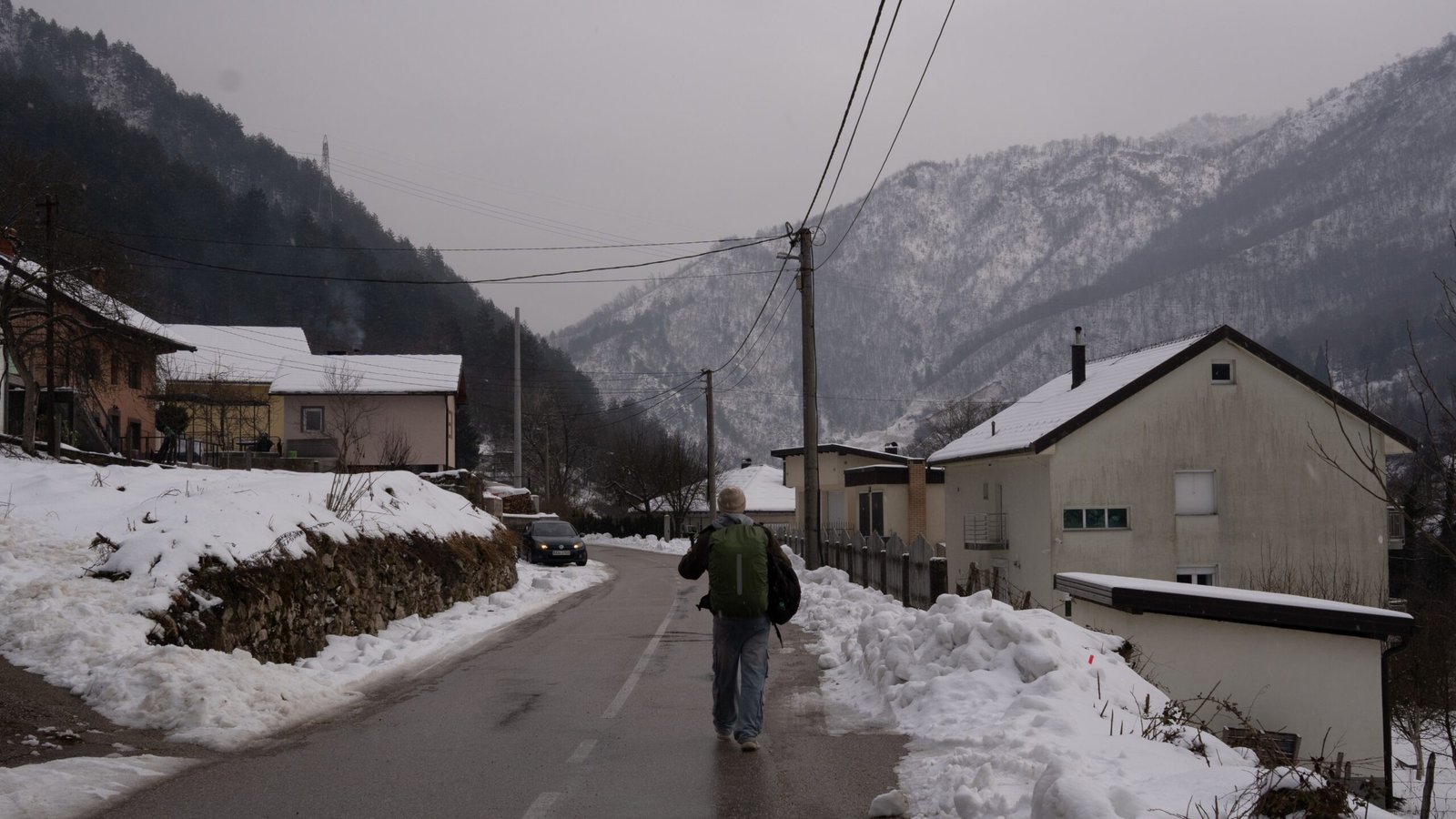
After exploring the town, securing tickets and getting lunch, we had plenty of spare time so we decided to walk the 5km from town to the bunker to save money and enjoy the scenery.
About 50 minutes in, we accidentally walked straight past a military security checkpoint. We were chased down by military guards and turned around. With no service and a major language barrier, we were completely lost. A local lady understood the confusion and explained that we were on the wrong side of the river to access the bunker and that we had to turn back, cross a bridge, and take the long way around.
Our tour slot was fast approaching by this point so we spent the next 20 minutes running along frozen roads with our backpacks, hoping we’d make it – completely delusional. Of course, we didn’t. We missed our tour, and we were absolutely gutted.
Luckily, the ticket agency let us reschedule for the next day so we took a train from Mostar back to Konjic and made the very wise decision to hire a taxi.
Lesson Learned: Do not attempt to walk to Tito’s Bunker, especially in the winter months. If you insist on walking, stay on the road across the river from the site, pass it on the opposite side, and cross over the bridge near the entrance. Or, just be smart and take the taxi.
Additional Things to do in Konjic
If you’re heading to this gorgeous town to visit Tito’s Bunker then you might as well explore for an hour or so too. Beyond the bunker, it’s not touristy so it’s more of a casual visit.
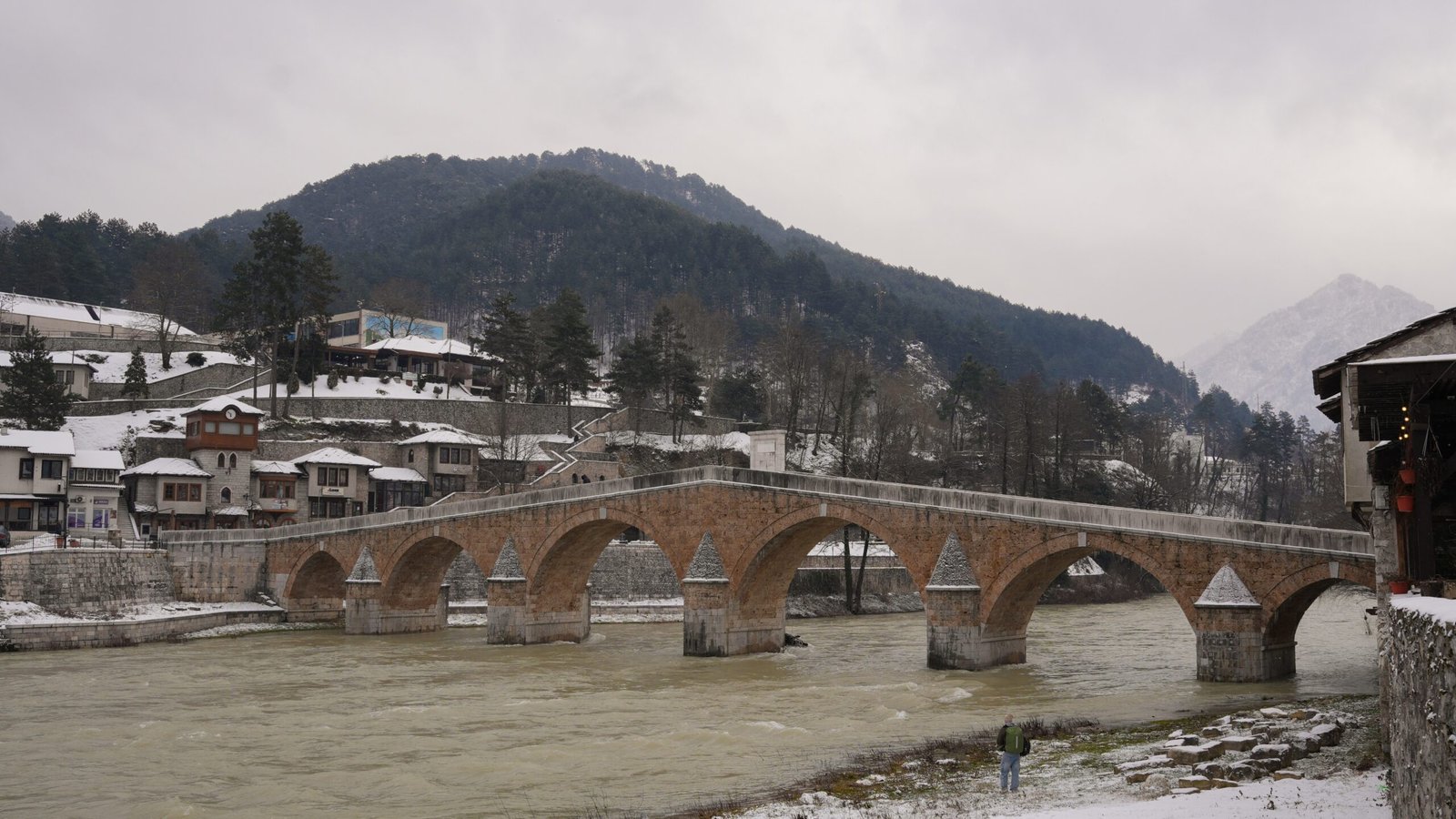
Stara Ćuprija (Old Stone Bridge): Konjic’s stunning 17th-century Ottoman bridge over the Neretva River.
Neretva River Walk & Cafes: Grab a traditional Bosnian coffee at a riverside cafe near the old bridge.
Woodcarving Heritage: Konjic is famous for UNESCO-listed traditional woodcarving – stop by a local workshop like Nikšić or Rukotvorine in town.
Should You Visit Tito’s Bunker?
In my opinion, absolutely. Even if you’re not a history fanatic (I’m definitely not), it’s incredibly interesting to learn about and understand a little slice of Bosnia’s recent history.
Don’t make my mistakes, and you’ll have a wonderful time. Be sure to explore some of my other Bosnia and Herzegovina guides below.
Hi, I'm Kelly!
Welcome to The Untold Journeys, a travel blog with a focus on raw, authentic travels and finding those exciting hidden gems.
I’m here to share my experiences and stories to give you everything you need to explore the world and head on your own adventures.
Recent Posts
Blog Posts
The surrounding region of Herzegovina is full of gems like medieval stone towns, cliffside monasteries and stunning waterfalls. Here is my honest review of the Herzegovina day trip from Mostar, what to expect, practical tips for booking or self-driving and more.
Mostar is Herzegovina’s undisputed gem. With its cobbled streets, turquoise rivers and iconic Stari Most, it’s a travel destination worth visiting. This Mostar travel guide covers everything you need to know: practical logistics, top sights, a suggested itinerary, and more.
The Bosnian Pyramids are a complex of huge structures claimed to be the oldest and largest man-made pyramids on Earth. In this guide, I’ll share how to get there, what you’ll actually see, ticket costs, and what it’s really like to visit during the winter off-season.
