
How to Visit the Bosnian Pyramids in Visoko: A Practical Day Trip Guide
This post contains affiliate links, which means I may earn a commission if you make a booking, at no extra cost to you.
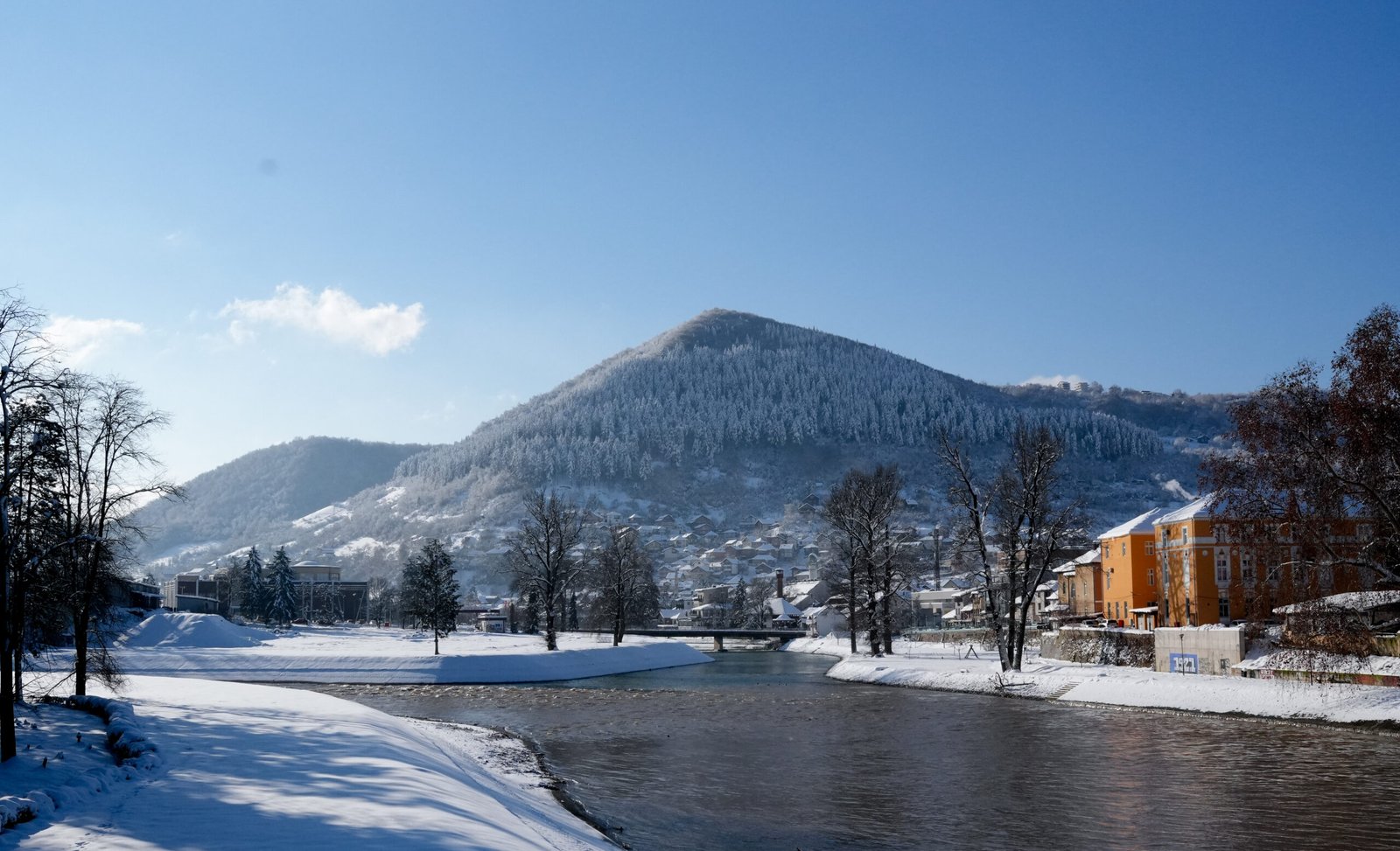
Located just 30 kilometres from Sarajevo is the quiet Bosnian town of Visoko. To most people, it appears to be a typical scenic town. However, it is home to the Bosnian Pyramids – a complex of huge structures claimed to be the oldest and largest man-made pyramids on Earth.
The claims are continuously debated but whether you are a true believer of the claims, a curious skeptic, or simply looking for an unusual day trip from Sarajevo, visiting Visoko is an experience unlike any other in the Balkans. In this guide, I’ll share how to get there, what you’ll actually see, ticket costs, and what it’s really like to visit during the winter off-season.
The Big Debate: Ancient Pyramids or Natural Hills?
Before heading off to explore, lets discuss what the Bosnian pyramids are:
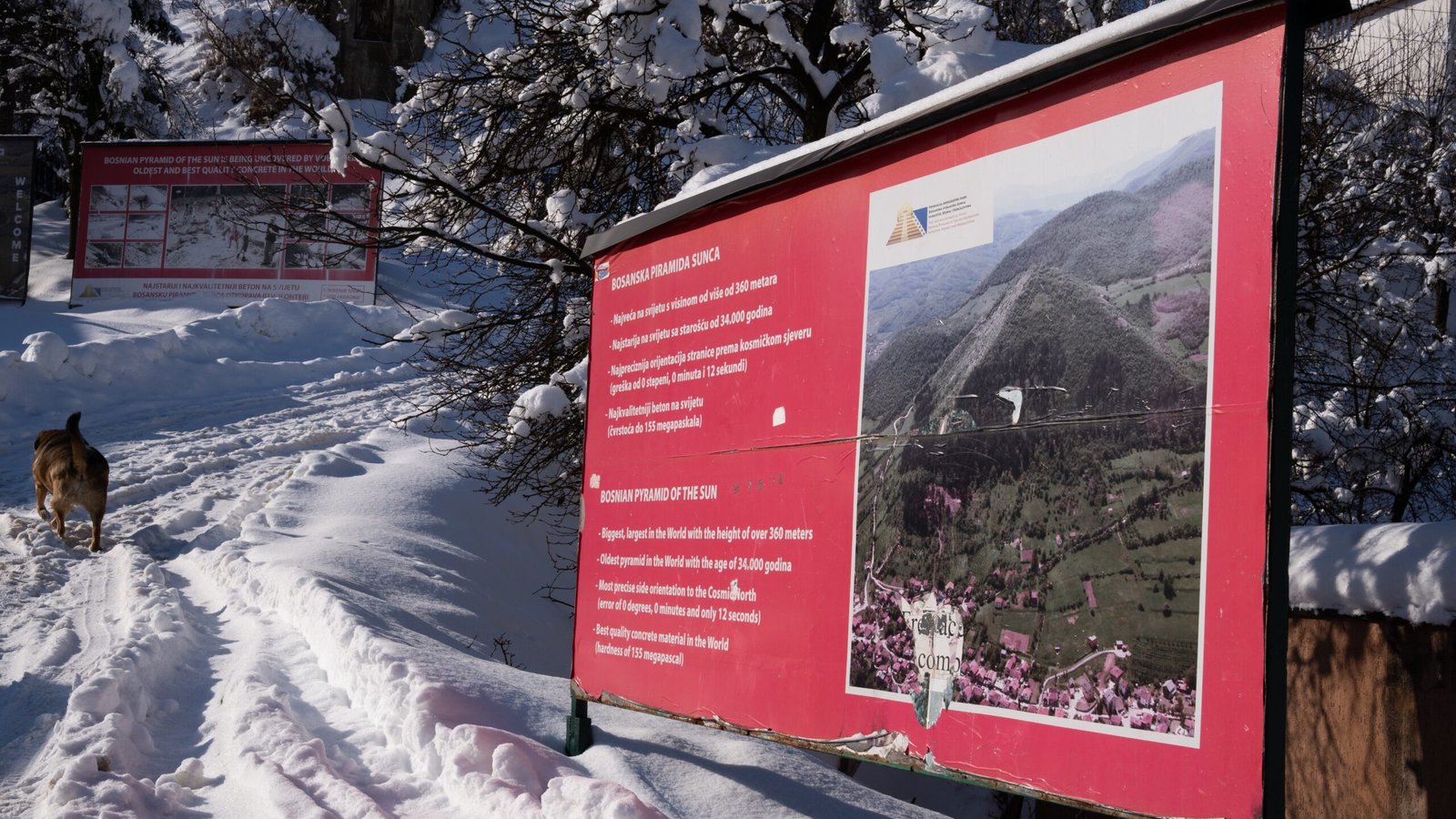
The Ancient Pyramids Claim: In 2005, local businessman Semir Osmanagić stated that the 220-meter-tall Visočica Hill of Visoko was actually the Pyramid of the Sun and that it had been constructed over 12,000 years ago by an ancient civilisation. His claim was supported by the fact that the pyramids had symmetrical triangular sides, geometric concrete-like blocks, and an intricate network of underground tunnels (Ravne Tunnels).
The Mainstream Consensus: Geologists, archaeologists, and scientific organisations worldwide view these pyramids as natural geological formations, which are known as flatons, or simply just natural hills that have been shaped by tectonic forces.
Beyond the “Are they man-made pyramids or not?” debate, the Ravne Tunnels have become a major global wellness destination. Visitors from around the world go to the chambers for their reported healing powers and respiratory benefits.
Here’s the scientific explanation for it all:
Negative air ions (NAIs) are molecules charged with extra electrons that float in the air. In nature, they are created by moving water, ocean surf, lightning, or forests.
Outdoor air typically reads at 200 to 1,000 negative ions per cm3, whilst the measurements inside the deep chambers of the Ravne Tunnels consistently read between 20,000 and 40,000 negative ions per cm3 – a significantly higher reading.
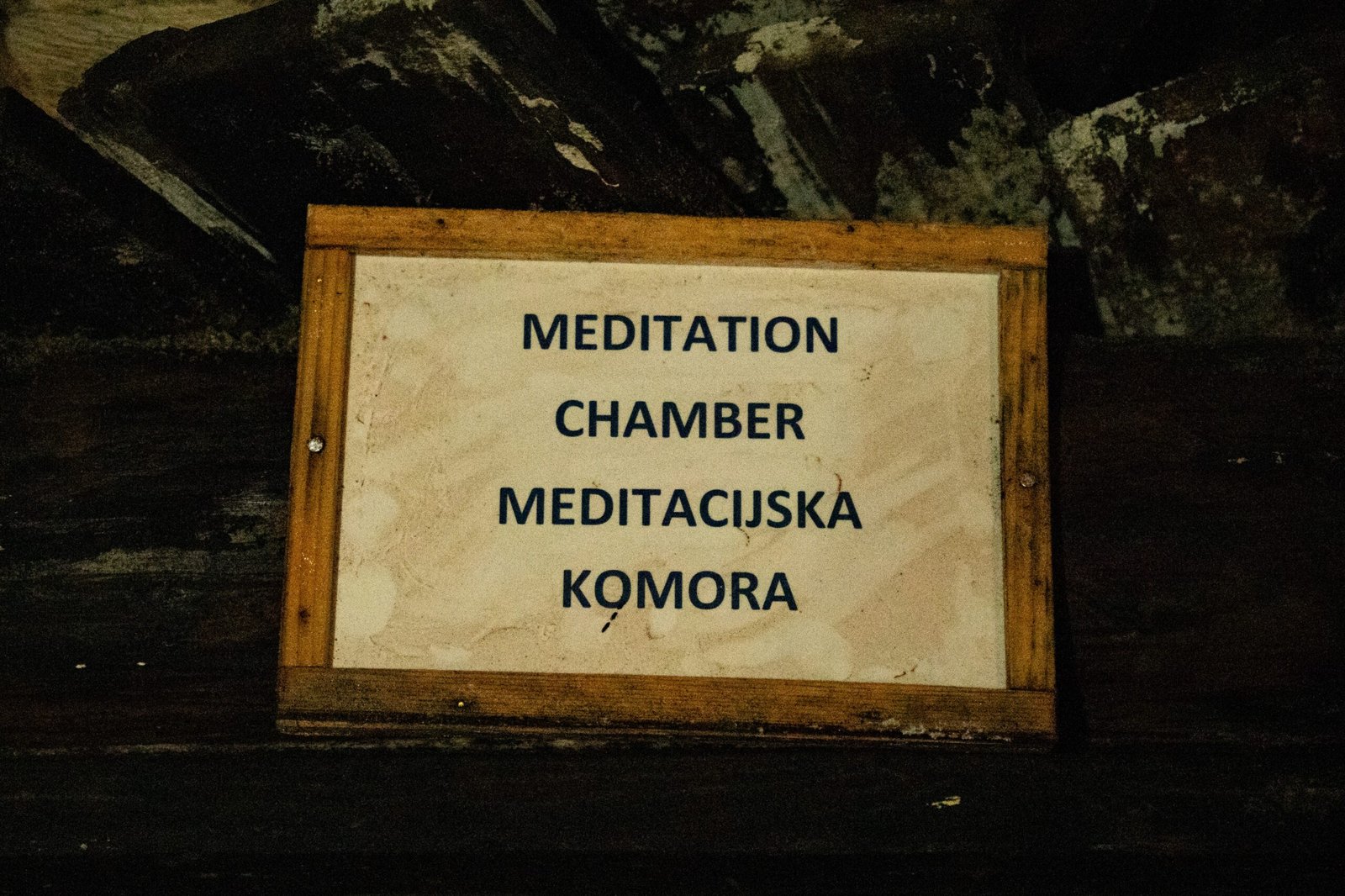
Because of this, you’ll find designated seating areas inside chambers in the tunnels where guides encourage visitors to sit in silence, place their hands on or near the stones, and breathe deeply. Locals and regular visitors claim that the exposure to these high ion levels helps clear sinuses, lower blood pressure, reduce stress, and boost immune function.
Medical scientists confirm that high concentrations of negative ions can improve air purity and mood. However, they also suggest that these miracle cures are not real. Regardless of the claims, the air underground is undeniably clean, refreshing to breathe, and relaxing.
Home of the Bosnian Pyramids: Visoko
Visoko hosts a few main locations related to the Bosnian Pyramids, spread across the city:
1. The Ravne Underground Tunnels
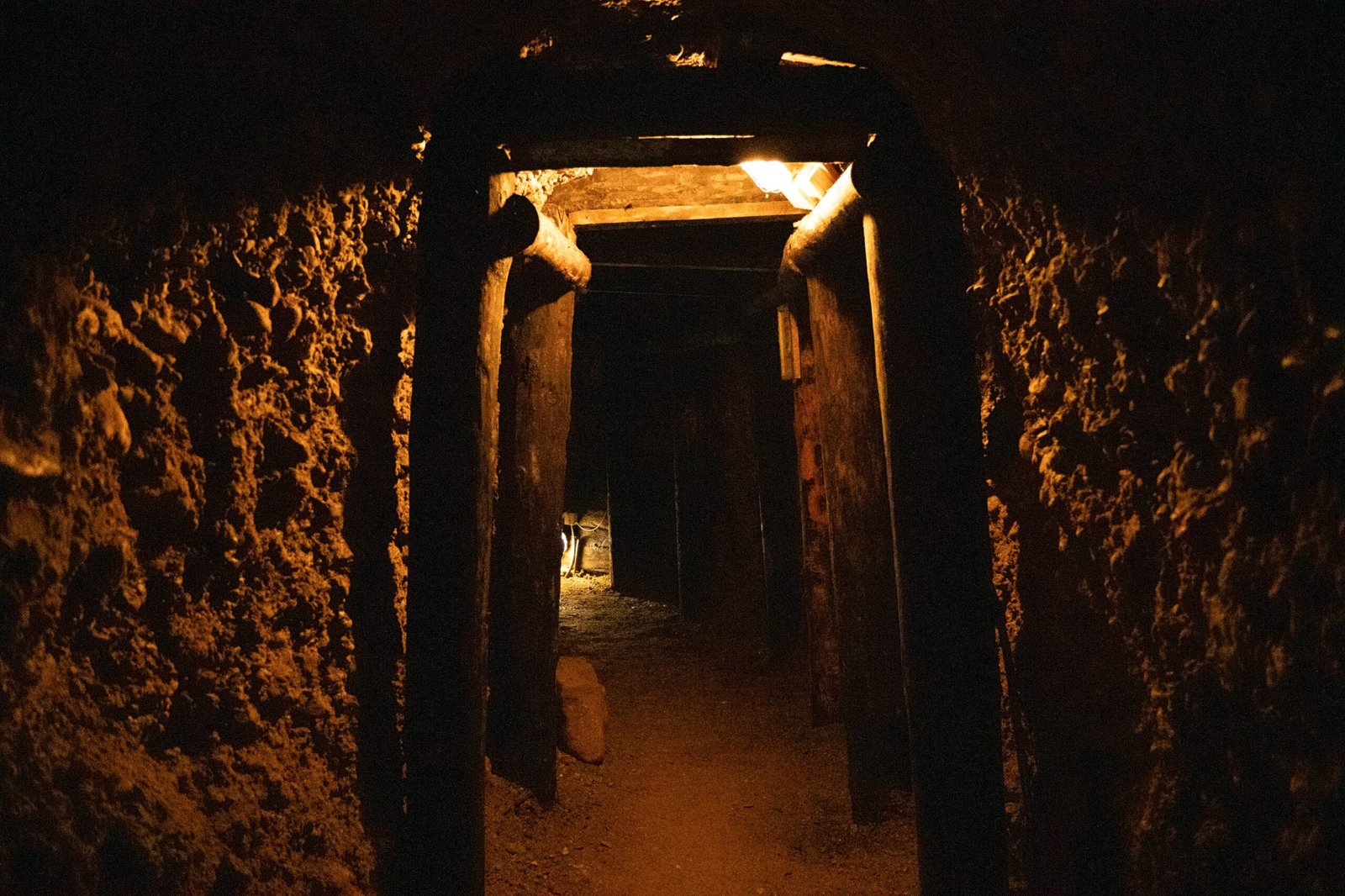
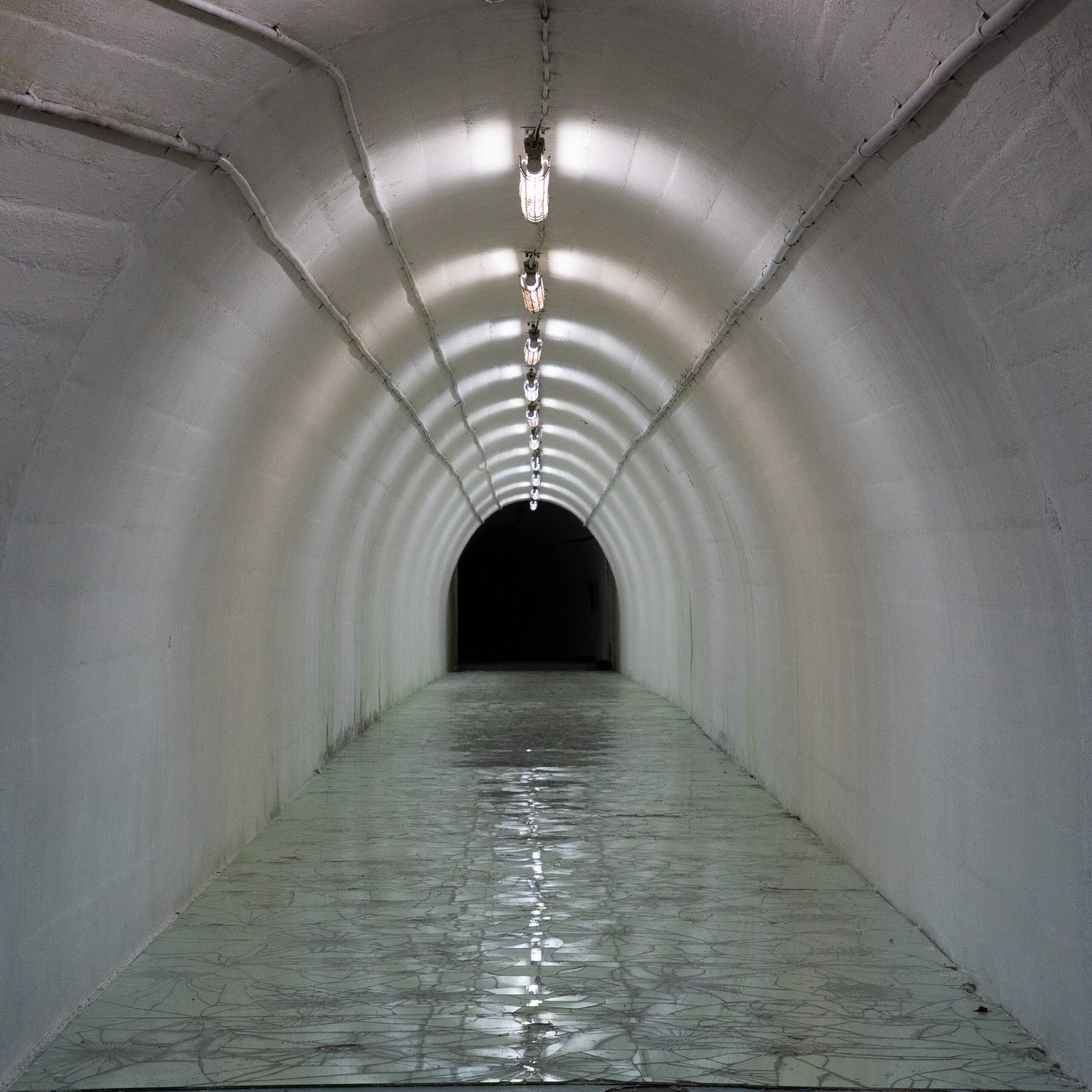
This is the main, most popular part of the visit. You enter a labyrinth of subterranean tunnels excavated beneath the pyramid complex.
To explore the tunnels you must take a mandatory 45-minute guided tour. The guides explain the history of the excavations, point out important parts of the tunnels, and discuss the high concentration of negative ions inside the caves.
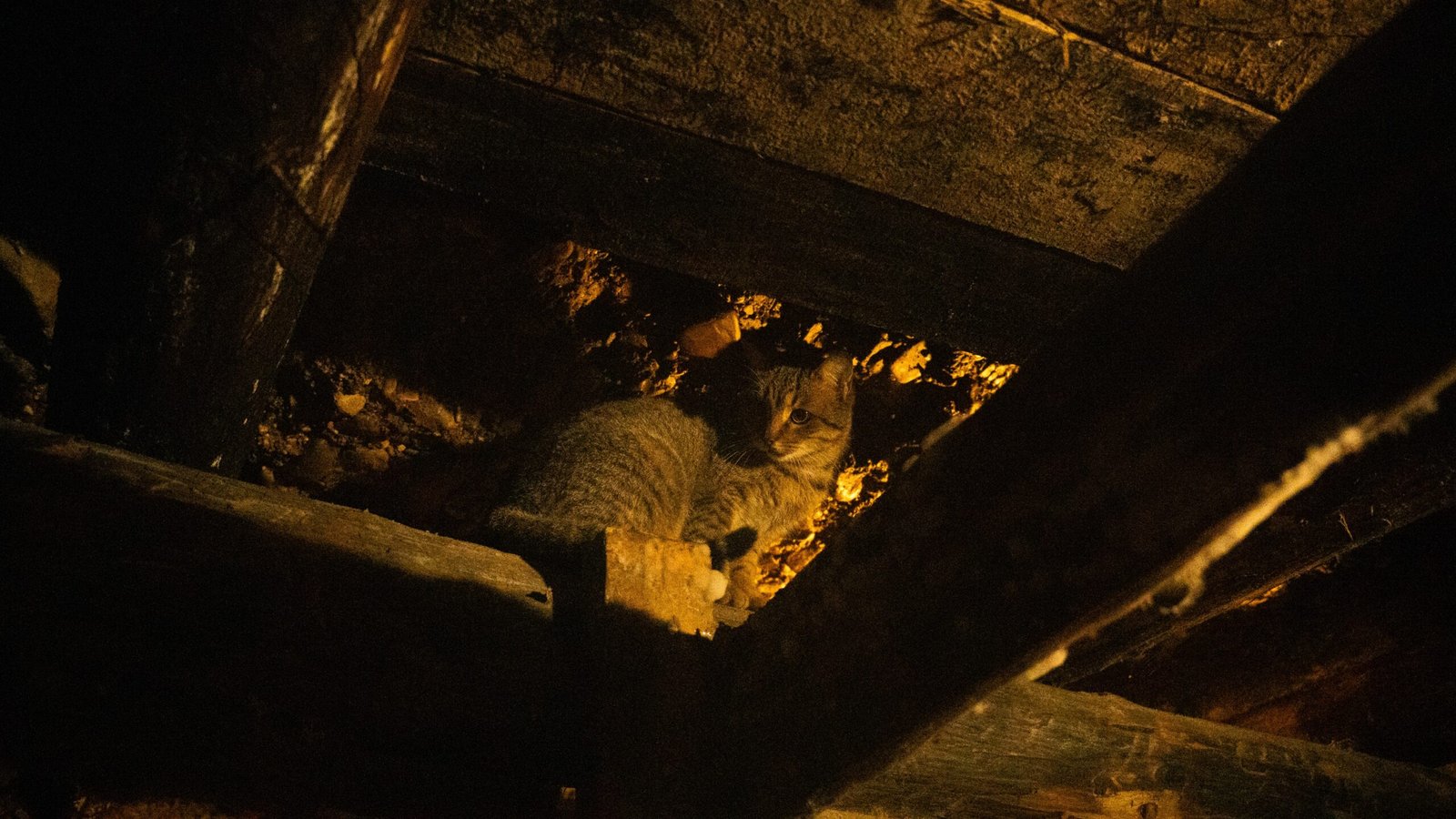
After the tour, the guide will allow you to explore on your own. There are routes you can take to explore without getting lost and you’ll likely find locals sat in nooks relaxing.
Winter Bonus: The tunnels maintain a constant temperature of 12°C (54°F) year-round which means that when it’s freezing outside in the colder months, stepping into the tunnels actually feels comfortably warm.
2. The Pyramid of the Sun Excavation Site
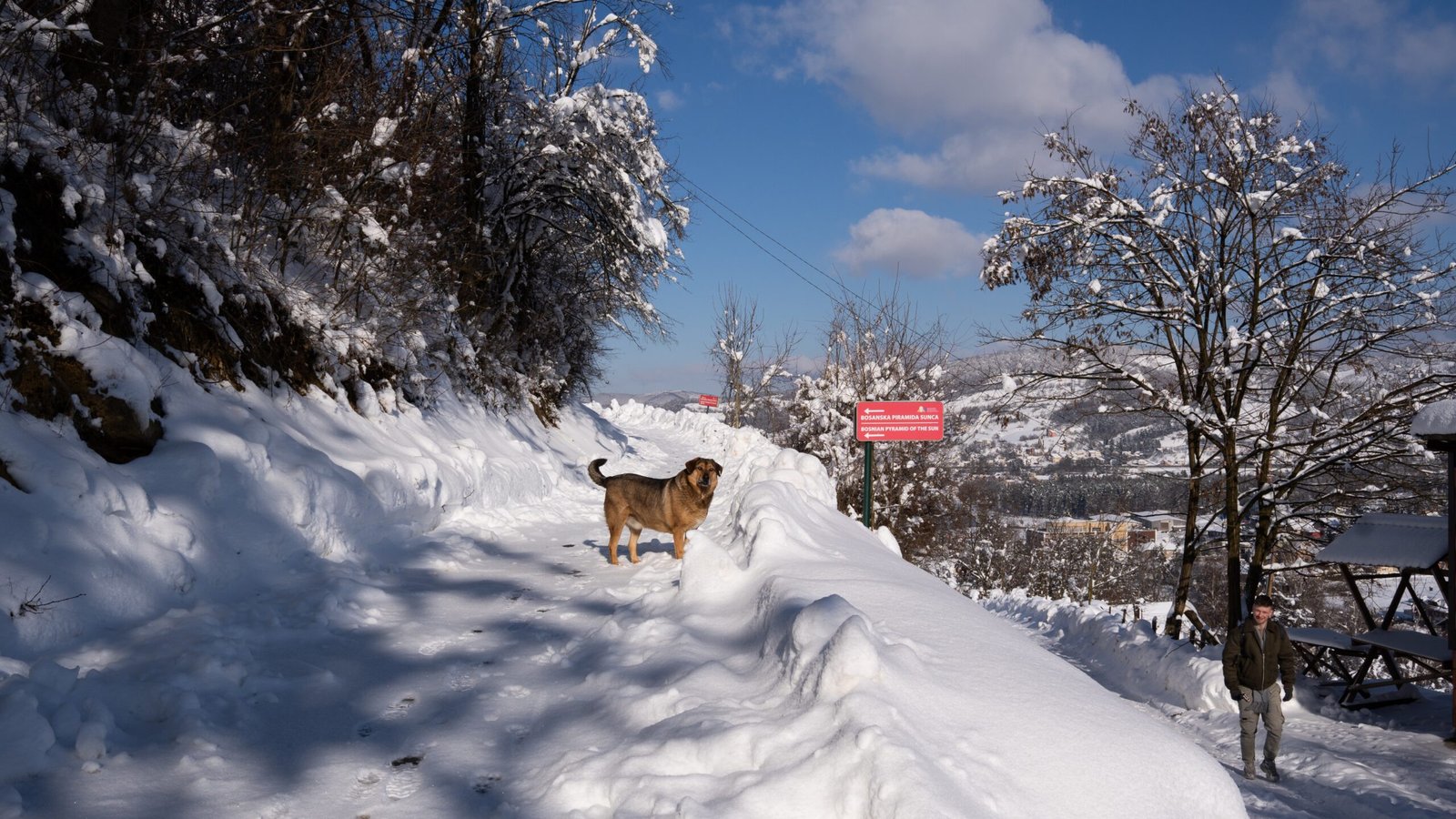
If you take a short drive or steep walk from Visoko town centre along the side of Visočica Hill, you can see exposed sections of massive, rectangular conglomerate blocks.
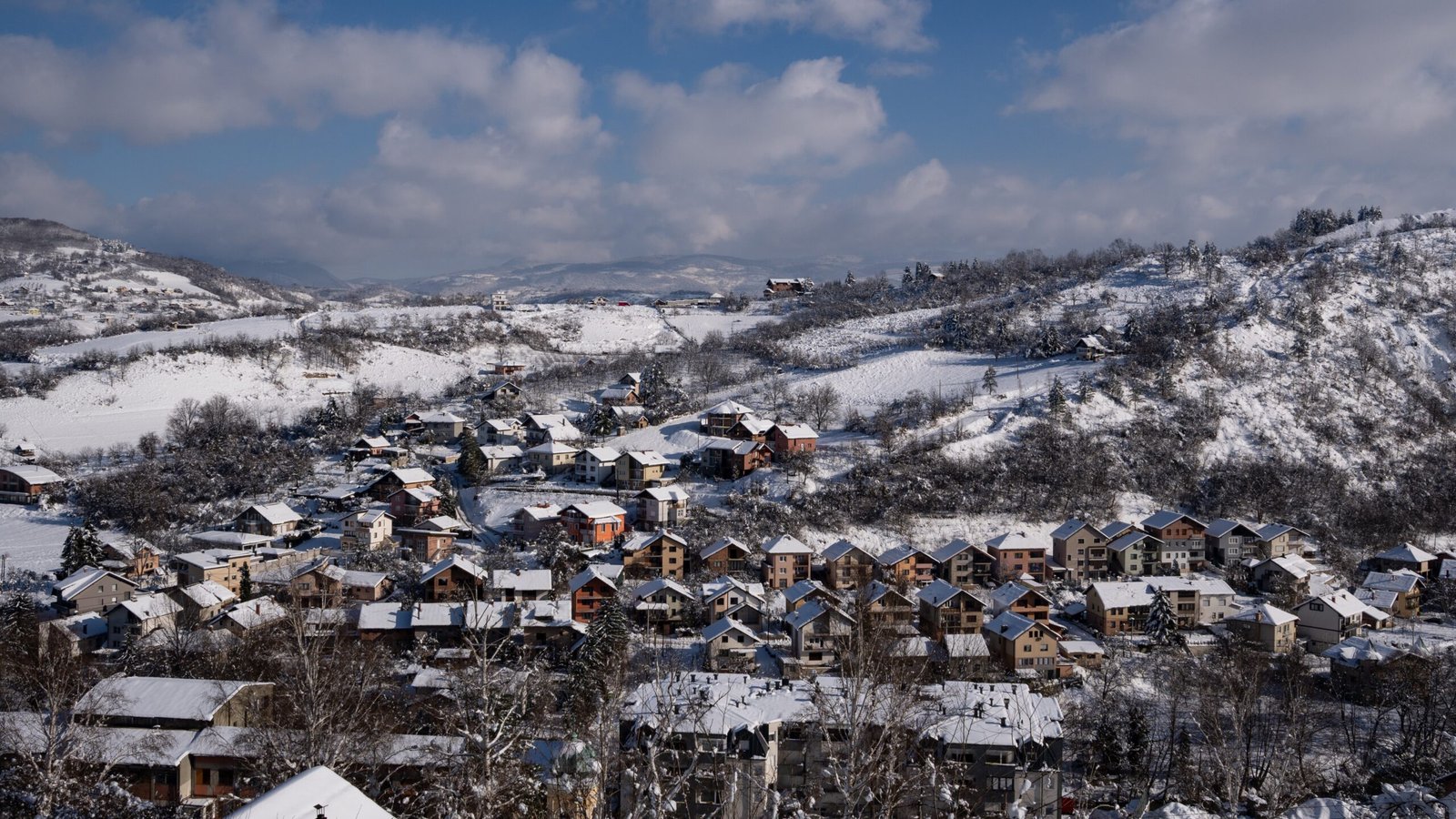
The climb up the hill also offers incredible panoramic views over Visoko and the surrounding valley below.
Winter Drawback: I climbed up here in January but it was entirely blocked off by thick snow and security wouldn’t allow us to go through due to safety. The views were still worth the walk though.
3. Archeological-Park Ravne 2
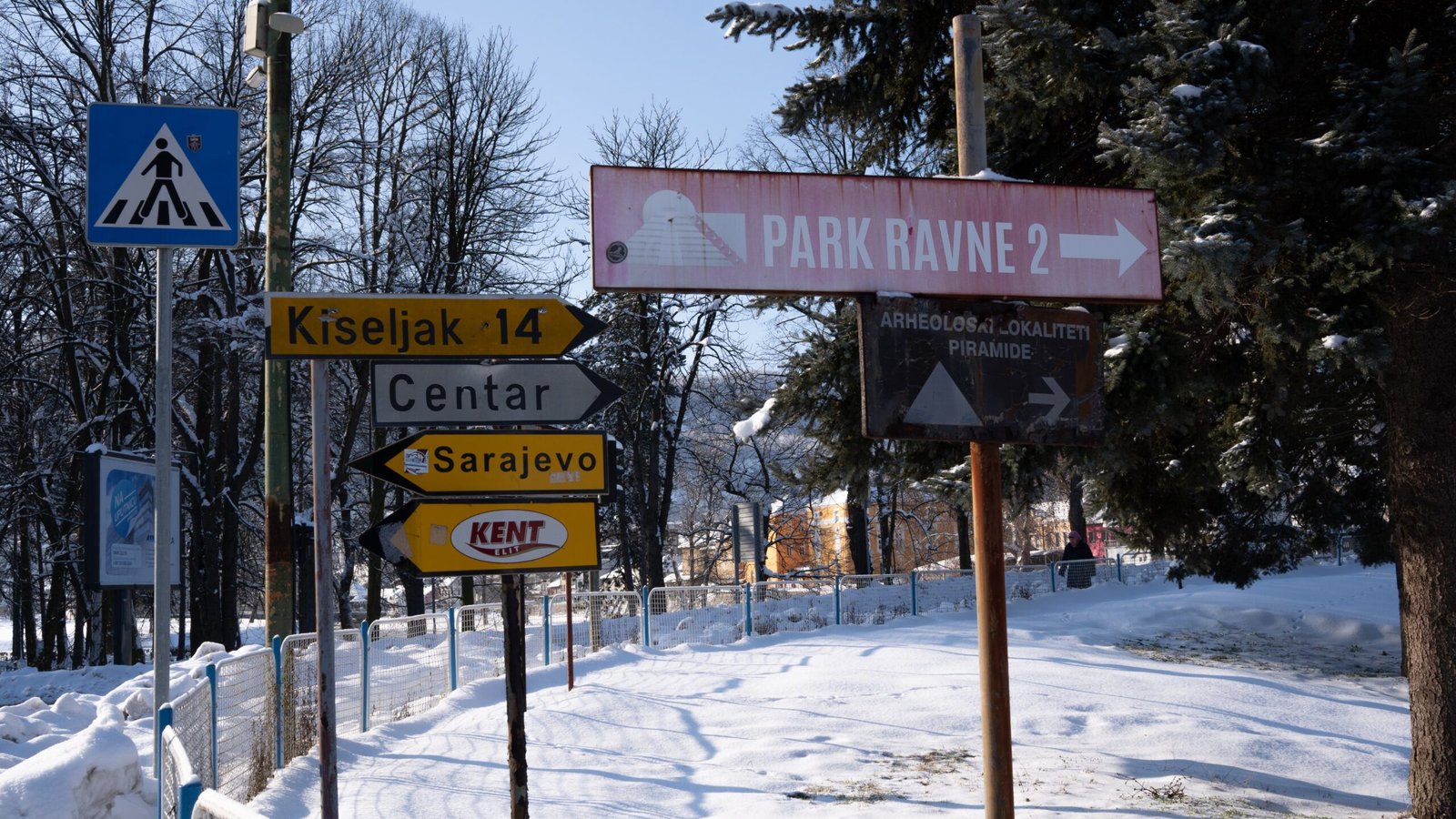
Right next to the tunnel entrance is a peaceful, beautiful park with walking paths, pine forests, meditation platforms, stone labyrinths, and art installations. It’s free and a great addition to the tunnels or hills.
How to Get to Visoko from Sarajevo
Reaching Visoko is simple, and takes less than an hour. There’s many options to pick from:
- By Public Bus: Catch a direct bus from Sarajevo’s main bus station (Autobuska Stanica) to Visoko. Buses typically run every hour, and cost around 10 BAM (€5 / $6). From the bus station, you can take a quick 5-minute taxi for around 10 BAM (€5 / $6) to the tunnels.
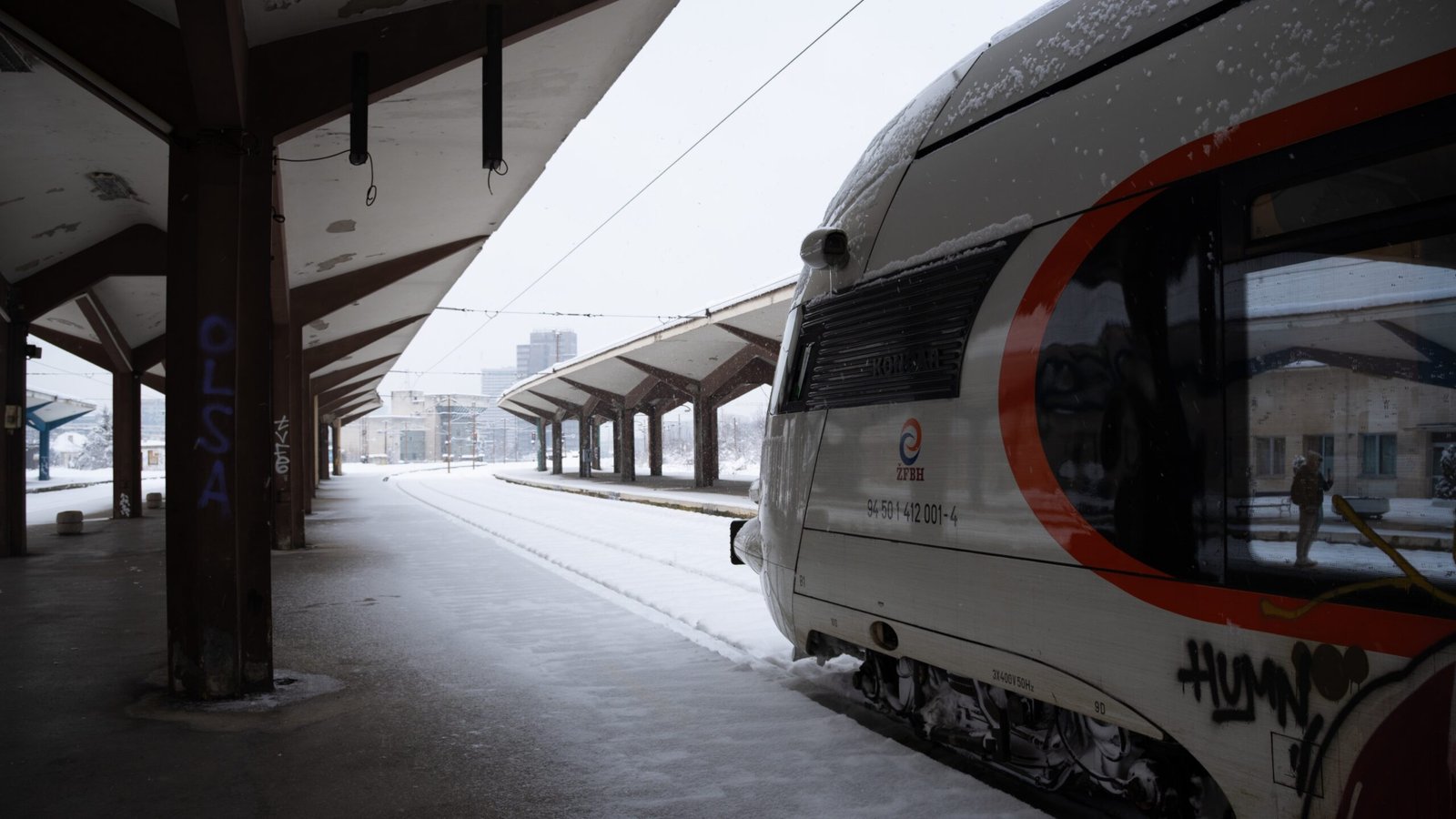
- By Train: Take the train from Sarajevo railway station to Visoko – they don’t run as regularly as the buses but are more comfortable. Train tickets cost around 3 BAM (€1.50 / $1.80) one-way, and then grab a taxi for around 10 BAM (€5 / $6) to the tunnels.
- By Rental Car: The drive north from Sarajevo takes roughly 30 minutes. The park complex offers free parking.
- By Guided Tour / Taxi: Many tour agencies in Sarajevo offer half-day trips that include transport, entry tickets, and a guide. These usually cost around €35 to €50 per person for an organised group tour.
Personal Experience: I opted to take the train from Sarajevo to Visoko at around 8am – the next train wasn’t until 2pm. Then for the return journey, I took a bus as they were a lot more frequent. Both were absolutely fine services, well-priced and offered the most incredible views. The train was extremely quiet which could have been seasonal, or due to the time of day.
Tickets & Tour Logistics
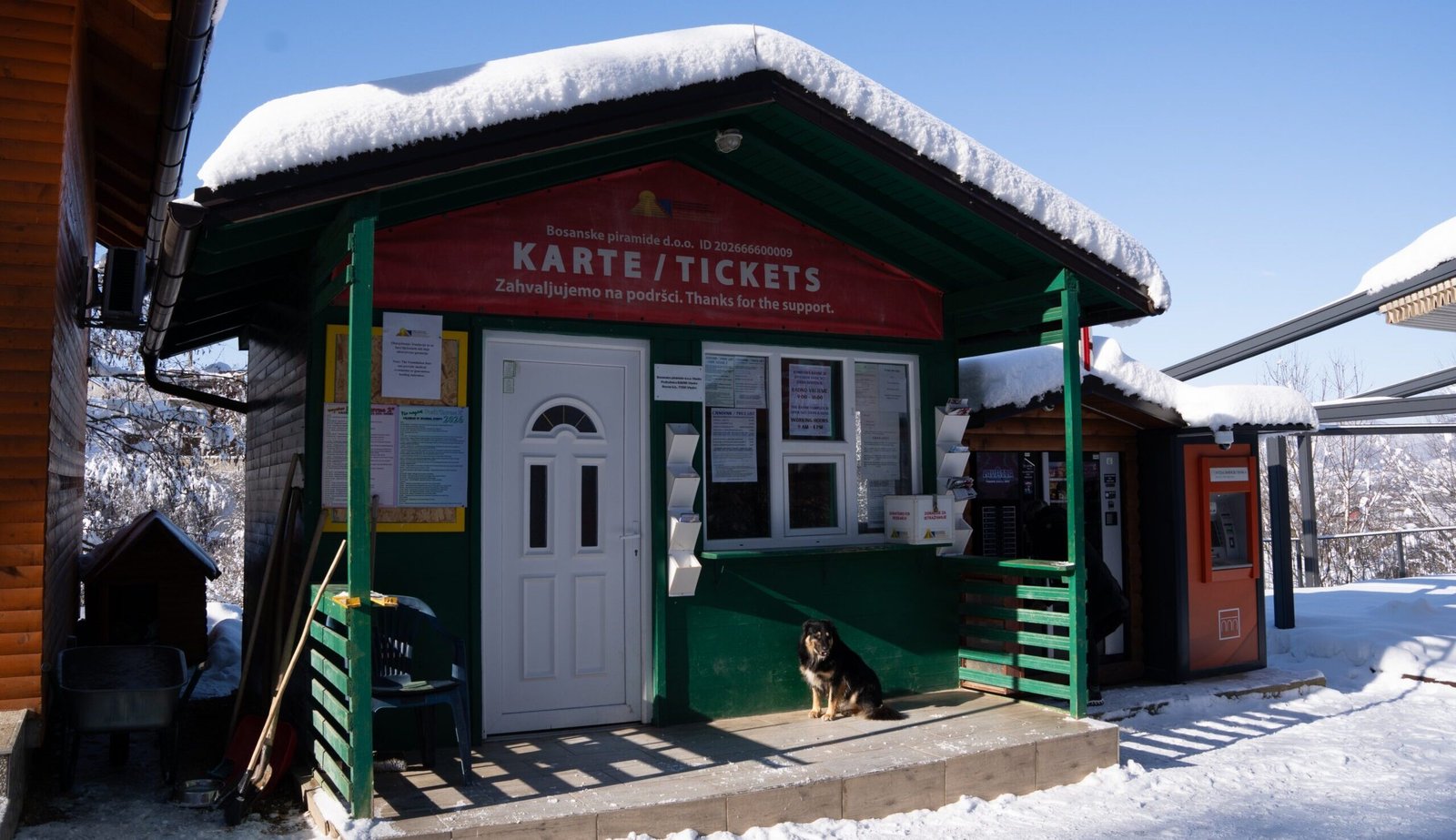
- Ravne Tunnels Entrance: 20 BAM (€10 / $11) per person. This includes safety equipment and a mandatory English guided tour.
- Pyramid of the Sun Excavation Site: 10 BAM (€5 / $5.50).
- Opening Hours: Both are open year-round. In winter, guided tours run less frequently than in peak summer, but you rarely have to wait more than 20 minutes for an English-speaking guide to start a tour.
Be Aware: As I mentioned earlier, despite being technically open year-round, if the weather is too bad (in my case, the snow was too thick and the ground was too unstable) then they won’t allow you to explore the Pyramid of the Sun up the hills.
Visiting in Winter: What to Expect
If you plan to visit in the off-season (November through March), keep these things in mind:
- Zero Crowds: You’ll likely have the Ravne Tunnels almost entirely to yourself or be in a tiny group – my tour was just myself and my partner.
- Cold Outdoor Hiking: Walking up the Pyramid of the Sun excavation paths can be slick and icy in winter – Jack fell over twice on these roads! Wear waterproof shoes with solid rubber tread if possible.
- Warm Up Indoors: The small cafes outside the Ravne Tunnel entrance remain open in winter, serving warm herbal teas, traditional coffee, and hot soups.
- Possible Entry Restrictions: If security or staff consider it to be unsafe then they will stop entry.
Is a Visit to the Bosnian Pyramids Worth It?
If you enjoy unique travel experiences, unusual history, or simply just want an afternoon away from Sarajevo’s city centre then yes the Bosnian Pyramids are worth it.
Even if you remain skeptical of the pyramid theory, I definitely am, exploring the underground tunnel network is a really cool thing to do.
Hi, I'm Kelly!
Welcome to The Untold Journeys, a travel blog with a focus on raw, authentic travels and finding those exciting hidden gems.
I’m here to share my experiences and stories to give you everything you need to explore the world and head on your own adventures.
Recent Posts
Blog Posts
Mostar is Herzegovina’s undisputed gem. With its cobbled streets, turquoise rivers and iconic Stari Most, it’s a travel destination worth visiting. This Mostar travel guide covers everything you need to know: practical logistics, top sights, a suggested itinerary, and more.
The surrounding region of Herzegovina is full of gems like medieval stone towns, cliffside monasteries and stunning waterfalls. Here is my honest review of the Herzegovina day trip from Mostar, what to expect, practical tips for booking or self-driving and more.
Tucked away in the quiet Bosnian town of Konjic, hidden beneath an unassuming residential house is Tito's Bunker. Here I’ll share everything you need to know before visiting Tito’s bunker, and a story about one of my biggest travel fails of all time.
