
The Complete Sarajevo Travel Guide: 3-Day Itinerary & Essential Tips
This post contains affiliate links, which means I may earn a commission if you make a booking, at no extra cost to you.
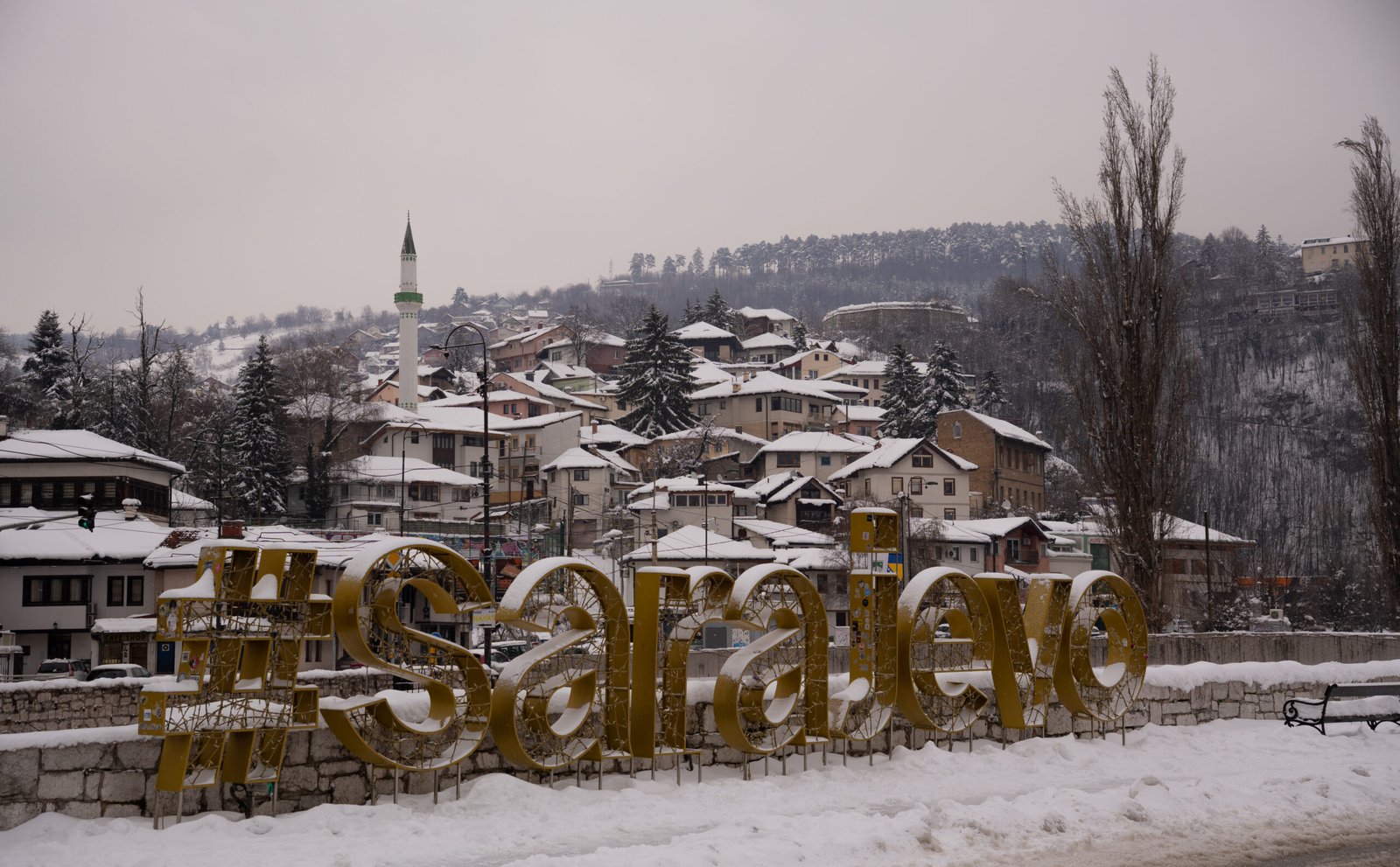
Known as the “Jerusalem of Europe”, Sarajevo is a captivating city where East meets West. Ottoman minarets, Austro-Hungarian grand facades, Soviet-style concrete blocks, and modern high-rise buildings sit side-by-side in one city.
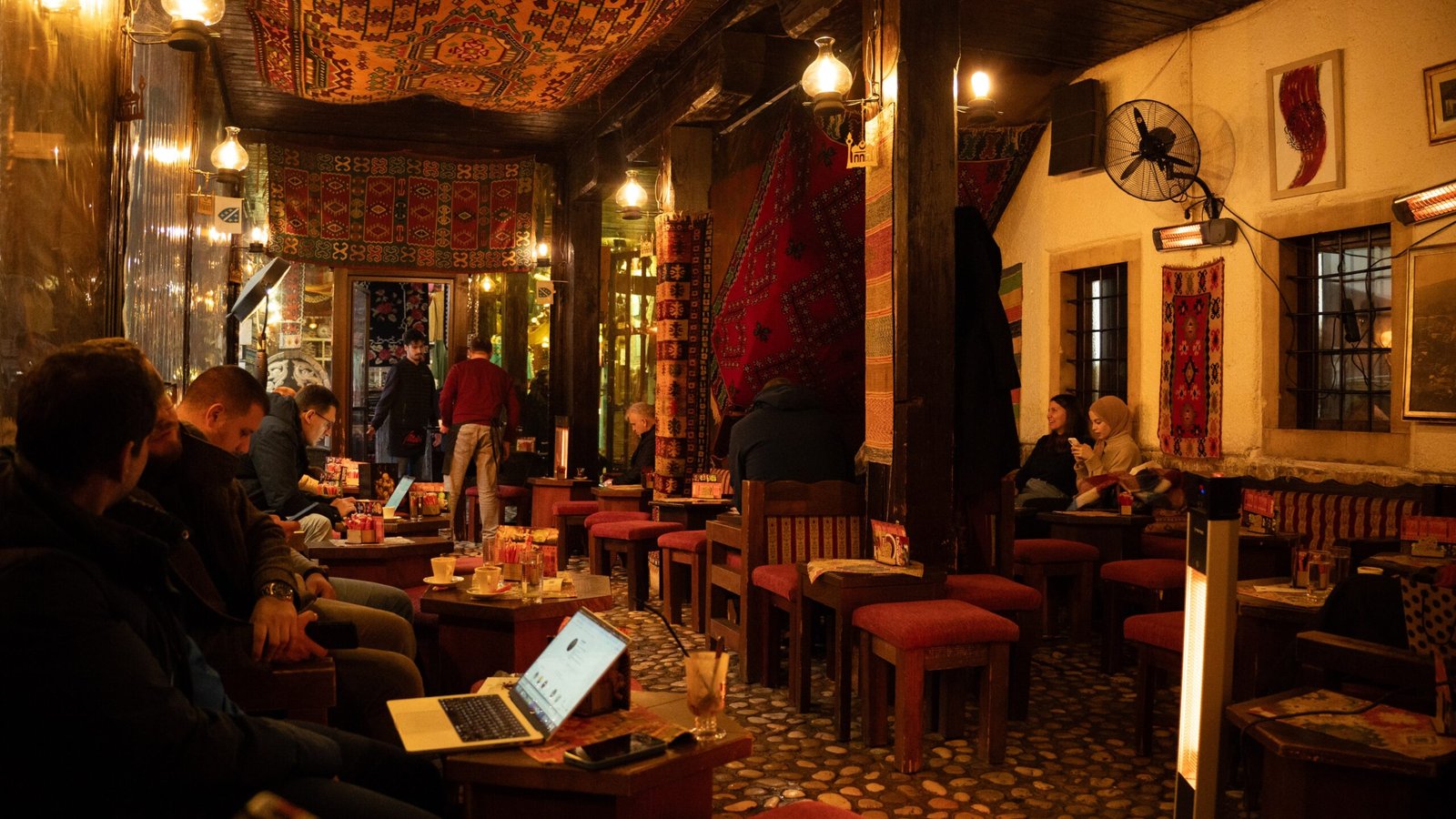
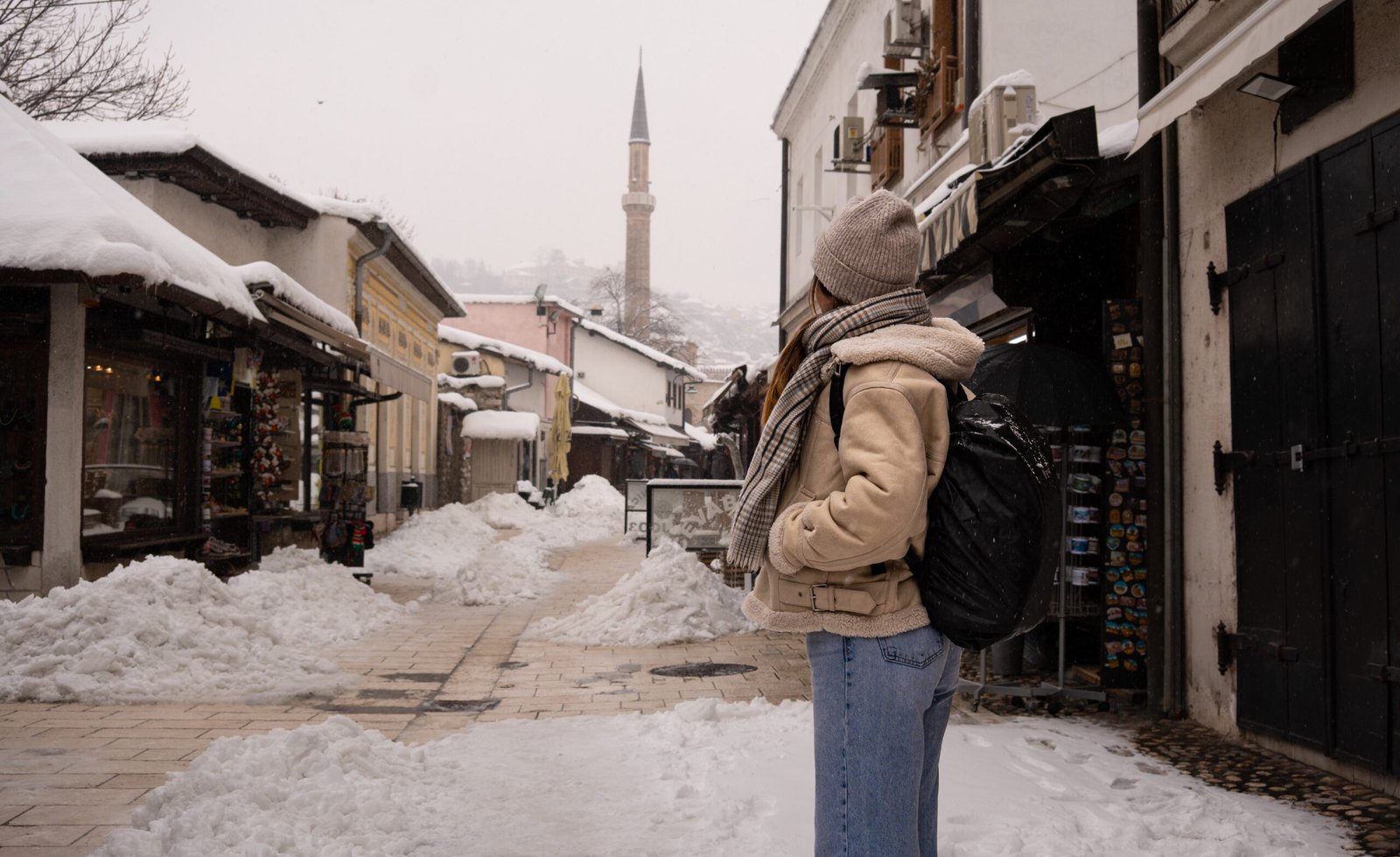
I spent four days in Bosnia and Herzegovina’s capital city before exploring more of the country. Uniquely, I got to explore the country in January when the cobblestone streets were covered in snow, and locals were still sitting outside drinking a Bosnian coffee.
So, whether you have two days or many more, this Sarajevo travel guide will cover everything you need to plan your trip with top sights, food spots, practical logistics and more.
How to Get to Sarajevo
By Plane: Sarajevo International Airport (SJJ) connects to many major European hubs. From the airport to the city, the public bus costs 6 BAM (€3 / $3.50) or a private taxi is typically around 30 BAM (€15 / $17).
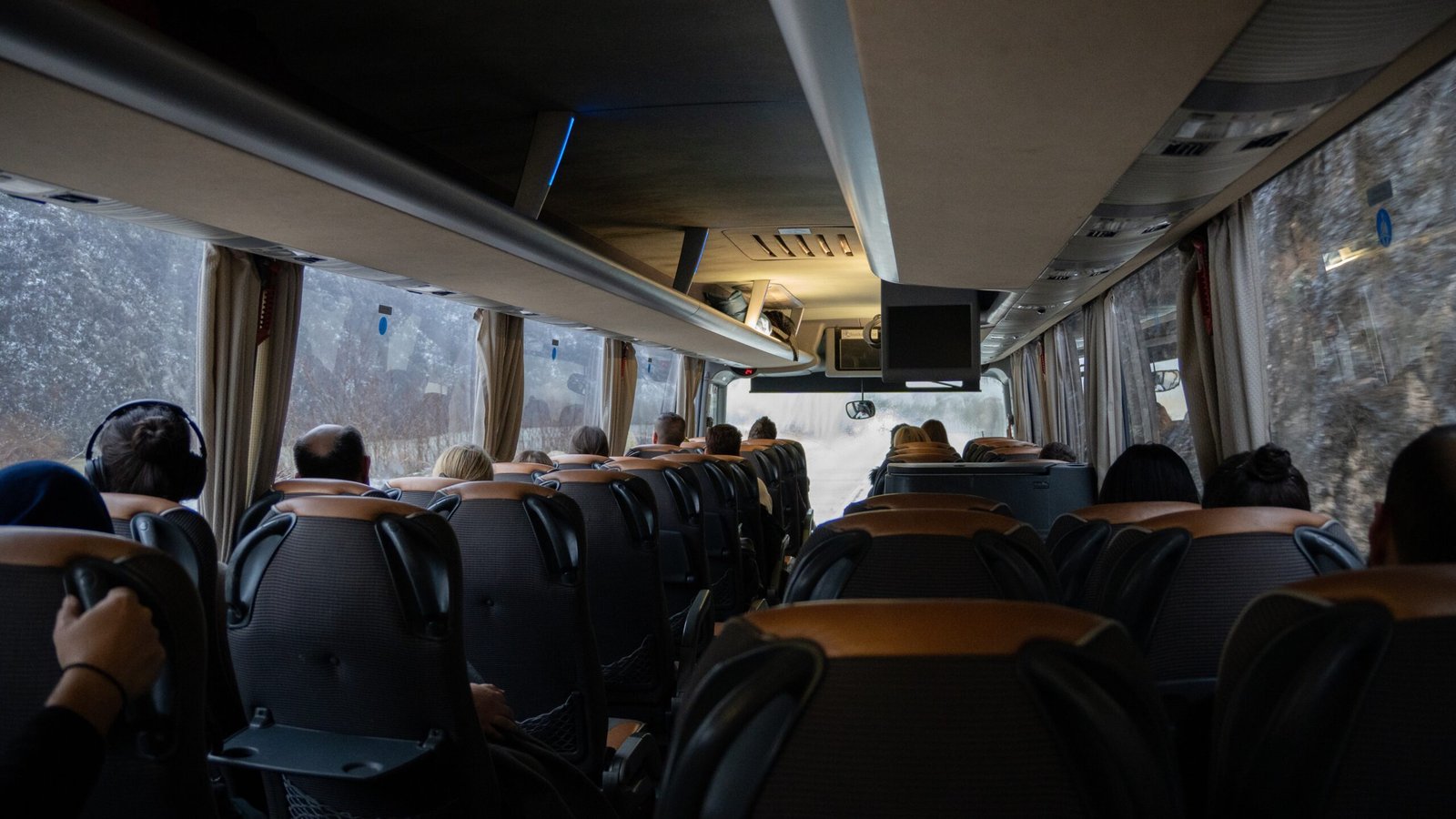
From Mostar: Both trains and buses are available but trains are typically preferred for this route – they are more affordable but run less frequently. Both options offer scenic journeys through the mountain valleys, along the emerald rivers.
By International Bus: Long-distance buses connect Sarajevo with Croatia, Serbia, Montenegro and even further, perfect for Balkans trip.
By Rental Car: A popular choice for those looking to do a Balkans road trip.
Top Things to See and Do in Sarajevo
Wander Baščaršija (The Ottoman Old Town)
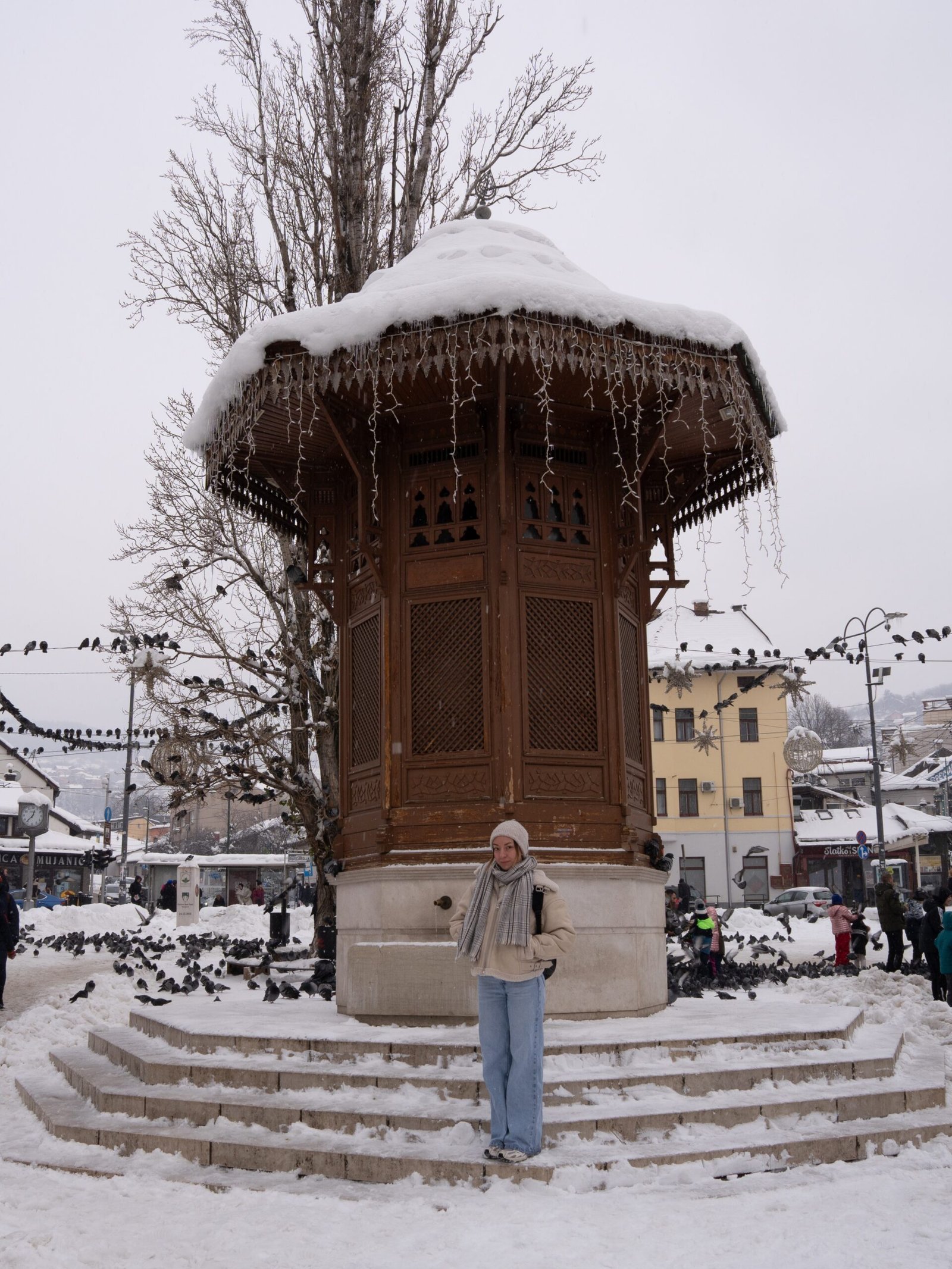
The Old Town is the heart of Sarajevo’s historic Ottoman side, dating all the way back to the 15th century. Highlights of the area include the iconic Sebilj Fountain, Kazandžiluk (coppersmith street) and Gazi Husrev-beg Mosque.
Stand at the “Sarajevo Meeting of Cultures” Line
At the point where East meets West on Ferhadija Street, you will find the iconic “Meeting of Cultures” line. Looking east you’ll find 15th century Ottoman architecture and looking west you’ll find 19th century Austro-Hungarian architecture.
Visit Latin Bridge
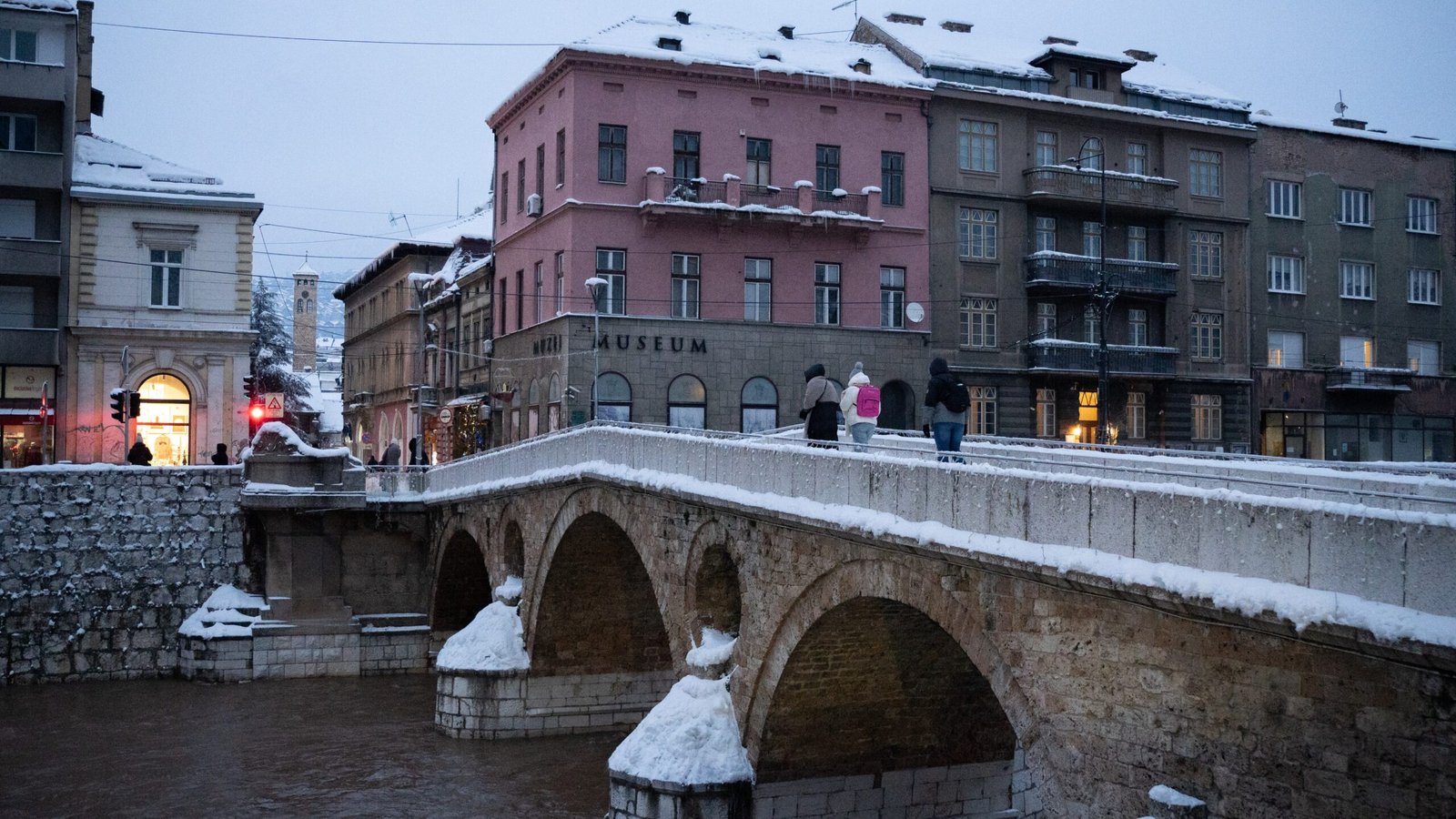
Along the Miljacka River, you’ll find the stone Latin Bridge. At the northern end of the bridge is the point where Archduke Franz Ferdinand of Austria was assassinated in 1914 which started World War 1. There is a plaque and the Museum of Sarajevo 1878-1918 on this historical corner.
Ride the Cable Car to Mount Trebević
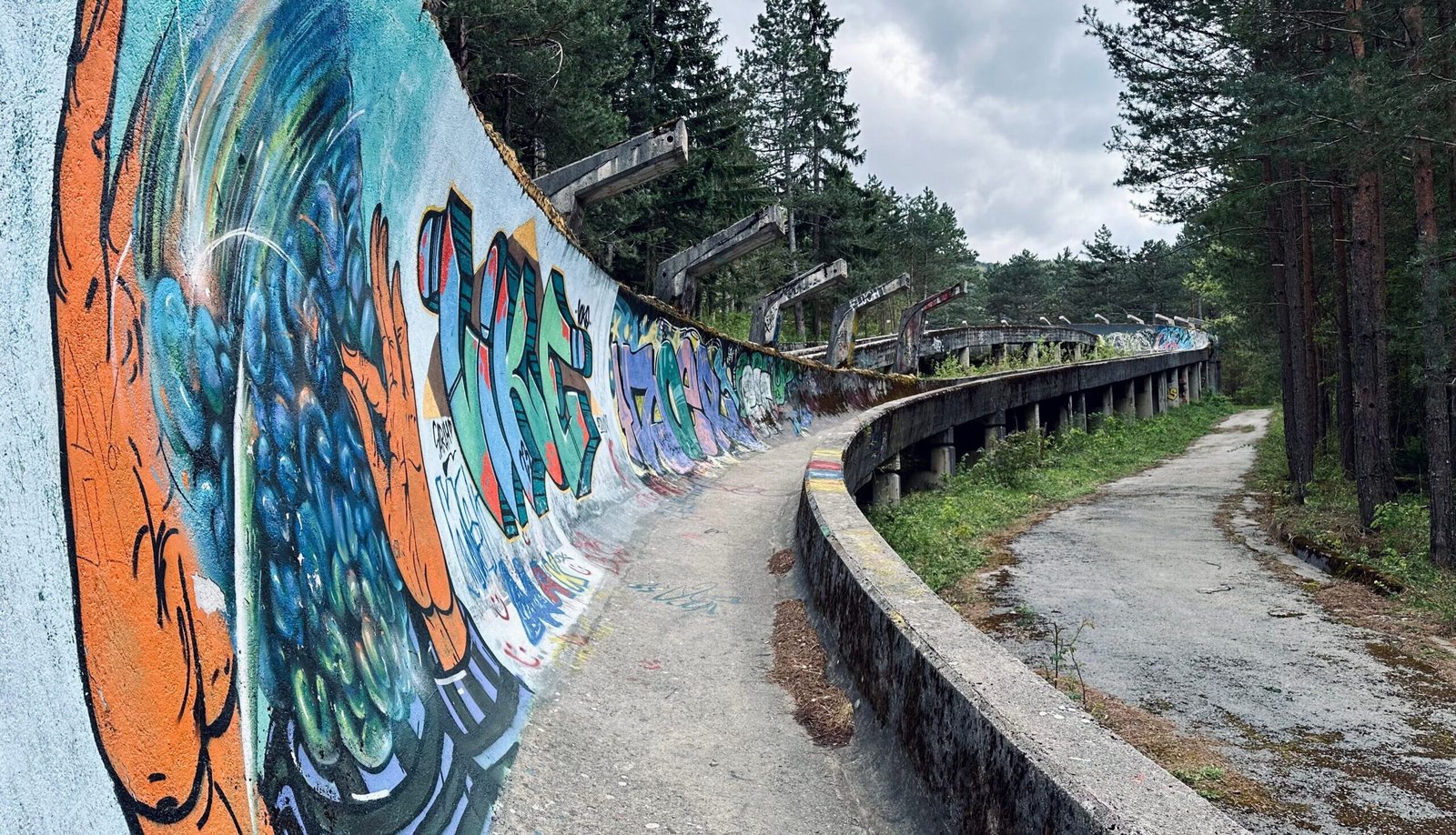
Take the 7 minute Sarajevo Cable Car up the mountain for impressive views of the entire valley and city below. From here you can walk along the abandoned, graffiti-covered 1984 Winter Olympics bobsleigh track.
Cable Car Costs: One way is 20 BAM (€10 / $12) and a return ticket is 30 BAM (€15 /$18).
Watch the Sunset from the Yellow Fortress
Walk through the historic Vratnik neighborhood to Žuta Tabija – an 18th-century stone cannon bastion which offers the best sunset view in the city. There is a small outdoor cafe serving cold drinks and hot drinks with a gorgeous view.
Learn About Bosnian History
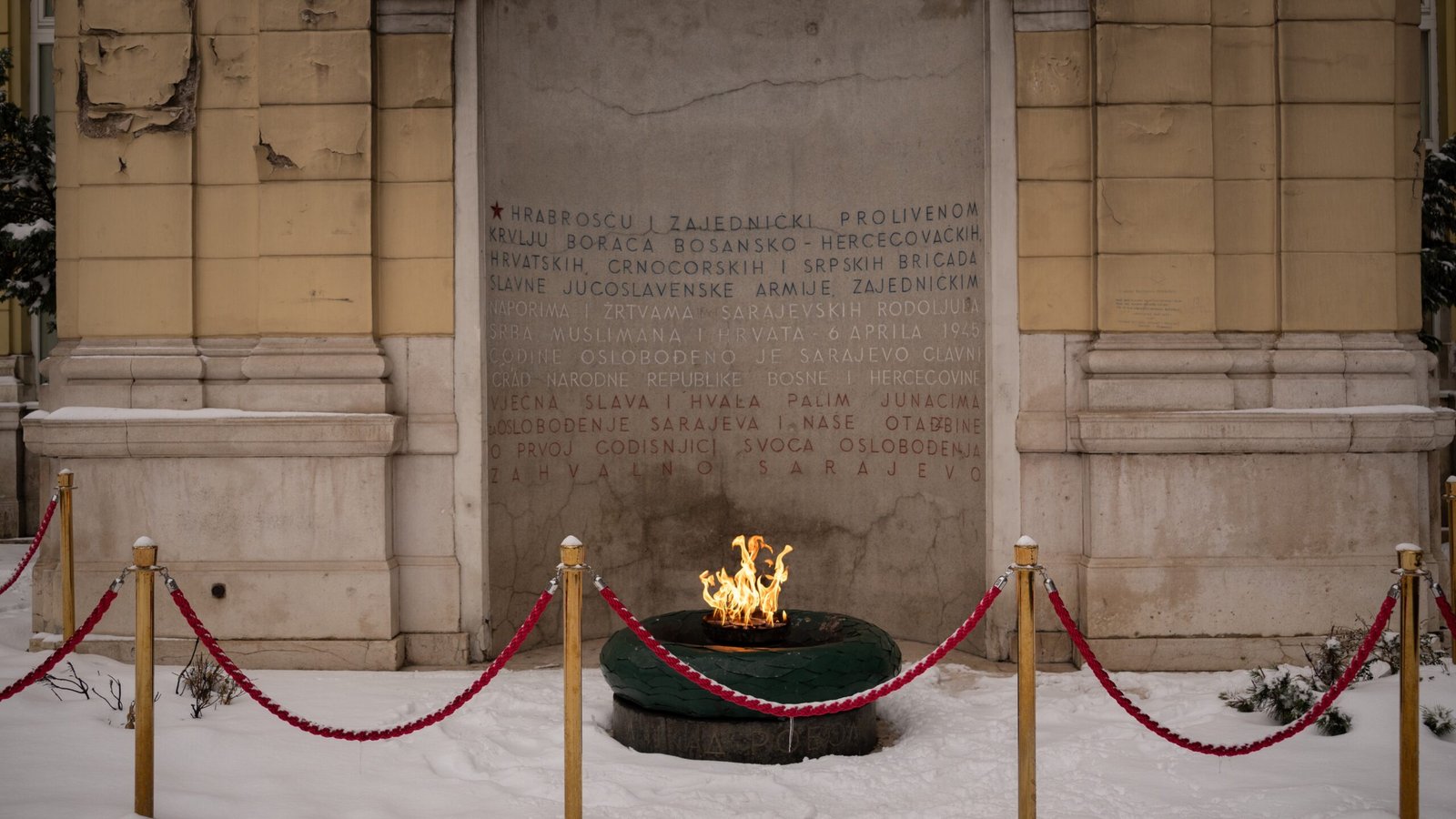
Bosnia and Herzegovina’s recent history, including the 1425-day Siege of Sarajevo, is incredibly important to the city today. Located near the airport is the Sarajevo Tunnel of Hope – a hand-dug underground tunnel used as the only way to get food, weapons and medical supplies through. Near the Sacred Heart Cathedral is Galerija 11/07/95 – an important photographic exhibition documenting the 1995 Srebrenica genocide.
3-Day Sarajevo Itinerary
Day 1: City Exploring
Morning: Start at the iconic Sebilj Fountain and wander the copper workshops of Kazandžiluk. Visit the courtyard of Gazi Husrev-beg Mosque. Stop by a local cafe for a traditional Bosnian coffee.
Afternoon: Walk through the “Meeting of Cultures” line on Ferhadija Street into the Austro-Hungarian quarter. Head over to the Latin Bridge and visit the WWI assassination site museum. Grab some food at the interesting House of Spite.
Evening: Hike up to the Yellow Fortress (Žuta Tabija) for gorgeous views over the valley. Head back into Baščaršija for a big plate of Ćevapi.
Day 2: Mountains & Modern War History
Morning: Ride the Sarajevo Cable Car up Mount Trebević and walk along the abandoned 1984 Olympic Bobsleigh Track.
Afternoon: Head towards the airport to tour the Tunnel of Hope (Sarajevo Tunnel Museum) to learn how the city survived the 1990s siege.
Evening: Visit other museums of your choice, Galerija 11/07/95 or The National Museum of Bosnia and Herzegovina – don’t miss the nearby ICAR Canned Beef Monument.
Day 3: Day Trip from Sarajevo
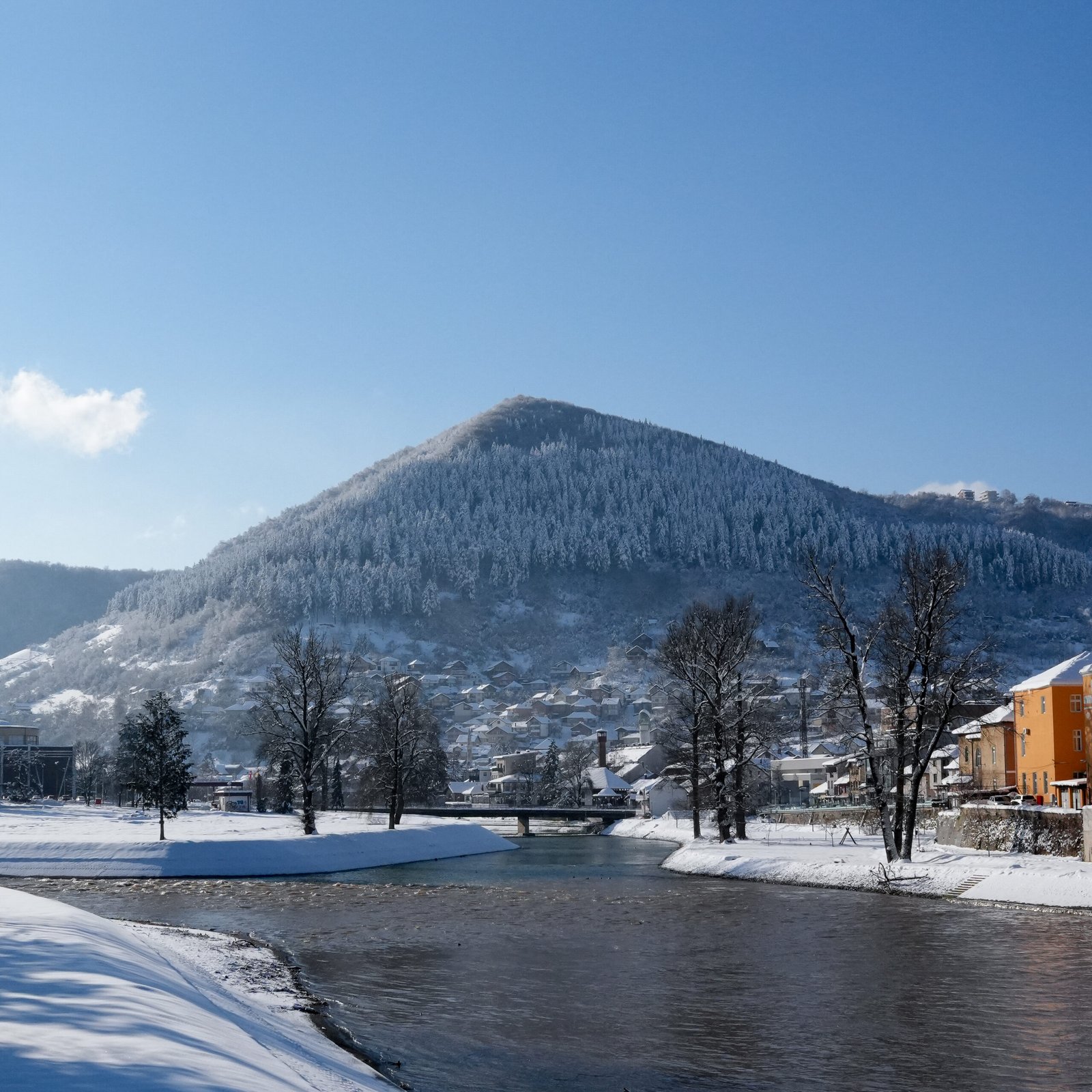
Option A: Take the train north to Visoko to explore the interesting Ravne Tunnels and Bosnian Pyramids.
Option B: Take a day trip to Travnik & Jajce to see Ottoman fortresses and the famous waterfall in the centre of town.
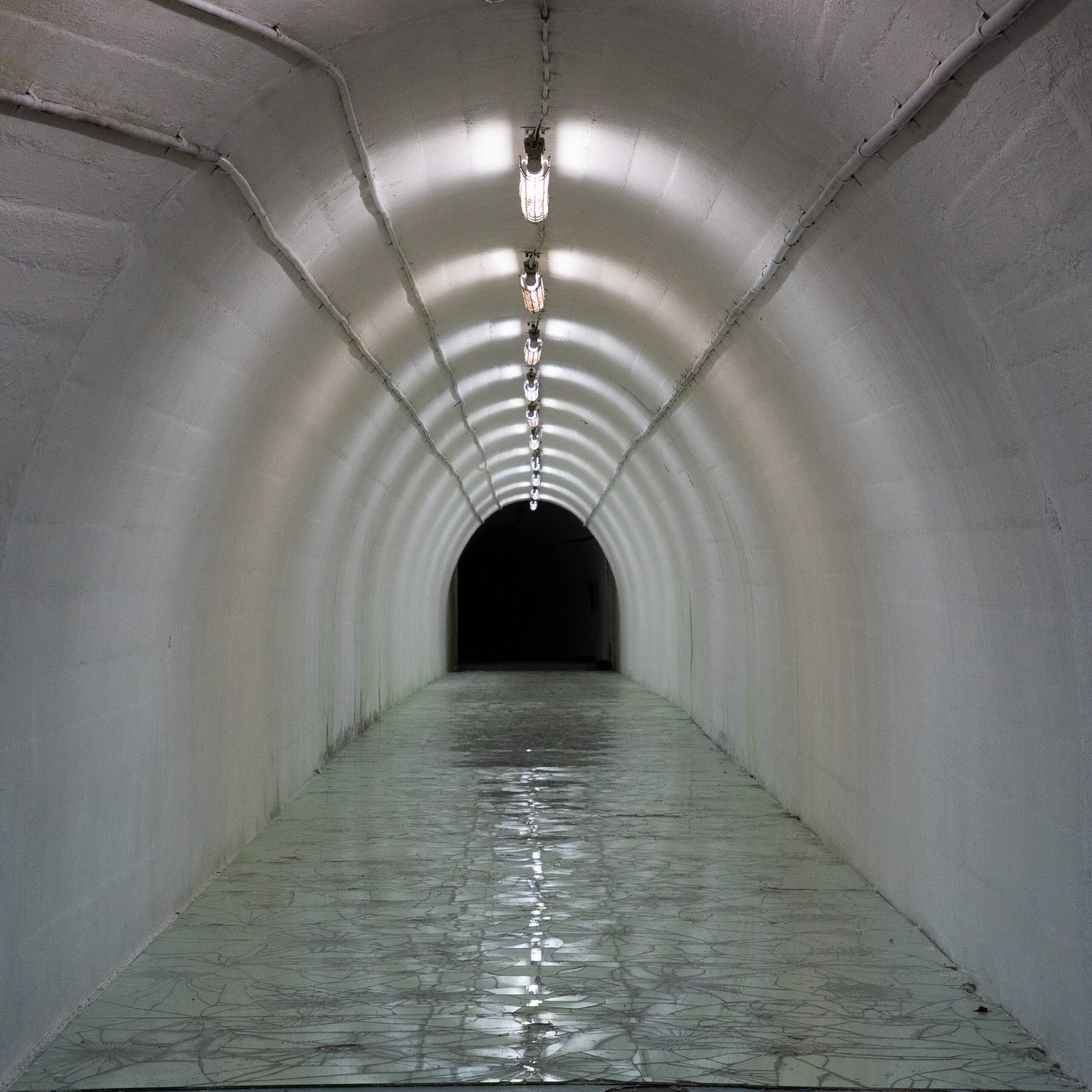
Option C: Take the train towards Mostar, stop off at Konjic and tour Tito’s bunker – Yugoslavia’s biggest secret.
Where to Eat in Sarajevo
Food in Sarajevo is a highlight and most local spots will not disappoint. Here are some of the spots I tried that I’d recommend:
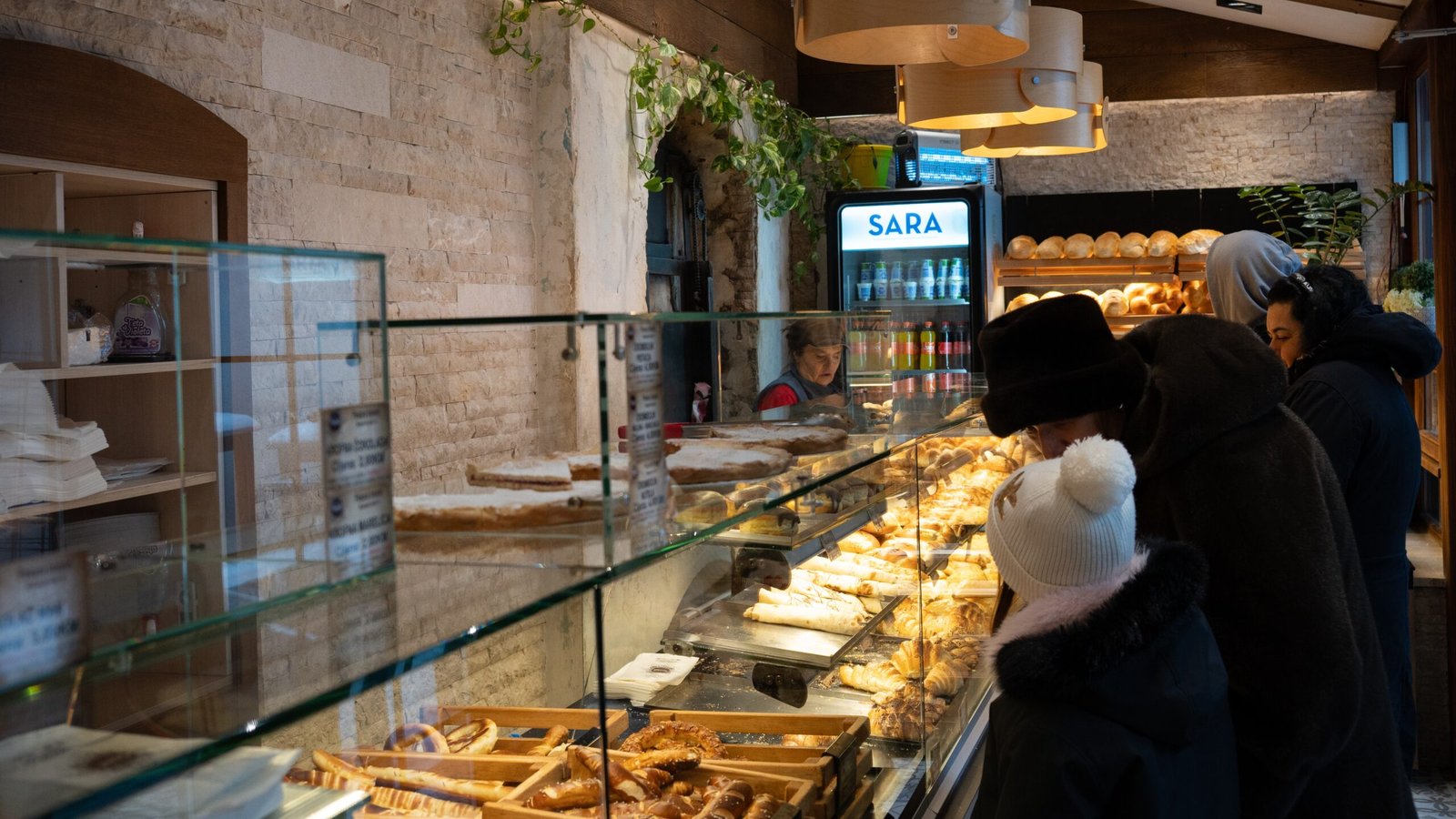
Pekara Imaret: Tucked away down an alleyway near Gazi Husrev-beg Mosque, this bakery is the oldest in the city with roots stretching back to 1531. It is the perfect spot for an affordable, quick breakfast on the go before a long day of sightseeing. Try anything, it all tastes incredible.
Buregdžinica Bosna: A bustling stop in the Old Town dedicated to Bosnian pastries. Everything is freshly rolled, baked over hot coal and sold by weight.
Buregdžinica Bećiri: A quiet family-run spot, just outside of the Old Town. Despite a language barrier, the owners were incredibly welcoming and the burek was incredibly flavourful.
Ćevabdžinica Željo: Named after the local football club Željezničar, the atmosphere inside here is lively, loud, and authentic. It’s a popular spot located right in the heart of Baščaršija, often considered the best place for ćevapi.
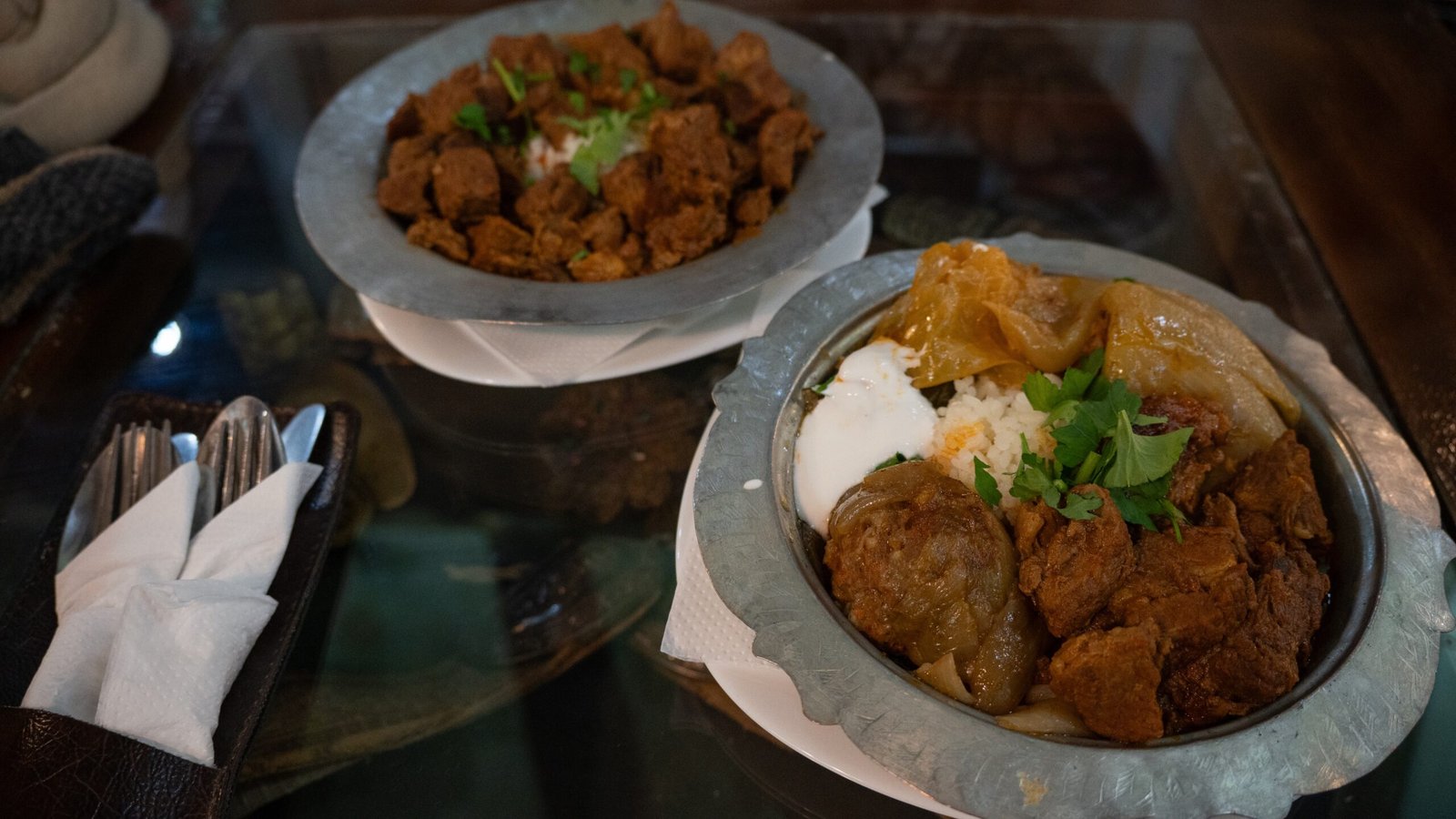
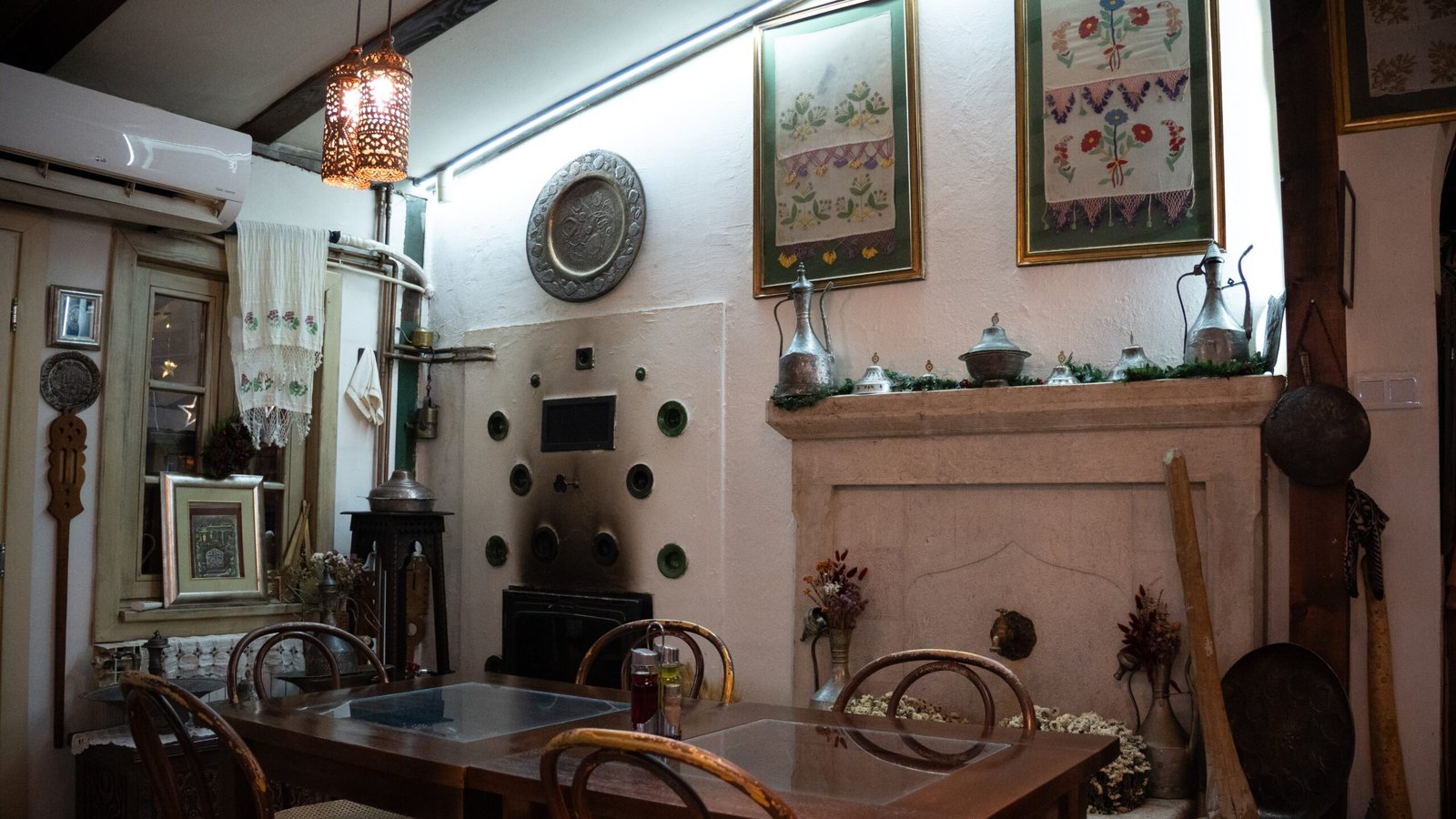
Inat Kuća (House of Spite): Located on the south bank of the river, this historic spot comes with a legendary story. When Austro-Hungarian authorities tried to demolish the owner’s house in the 1890s to build the City Hall, he refused unless they rebuilt his home brick-by-brick on the other side of the river. Try one of the slow-cooked traditional stews.
Where to Stay in Sarajevo
Baščaršija (Old Town): Best for first-time visitors as it’s right in the heart of everything. It’s flat, has an abundance of restaurants and is incredibly atmospheric.
Marijin Dvor & Central City (Austro-Hungarian District): Preferable for those looking for boutique hotels, modern shopping malls, high-end cafes, and easier access to the main tram lines and train station.
The Hillsides (Vratnik & Bistrik): Great for budget guesthouses and Airbnb apartments with incredible panoramic views over the city.
(Note: The hills are fairly steep, so you need to be happy for a little daily workout if you choose to stay here. I walked up these in winter and they’re incredibly slippery with icy grounds.)
I stayed in Sarajevo twice, the first time in an AirBnB apartment and the second time at Old Town Luxe Living. Both were great, clean, affordable and in central locations.
Essential Sarajevo Travel Tips
Getting Around: Sarajevo’s main sights in Baščaršija and the Austro-Hungarian centre are flat and walkable. To travel further west either walk or hop on the historic city tram – don’t forget to validate your ticket before boarding to avoid fines.
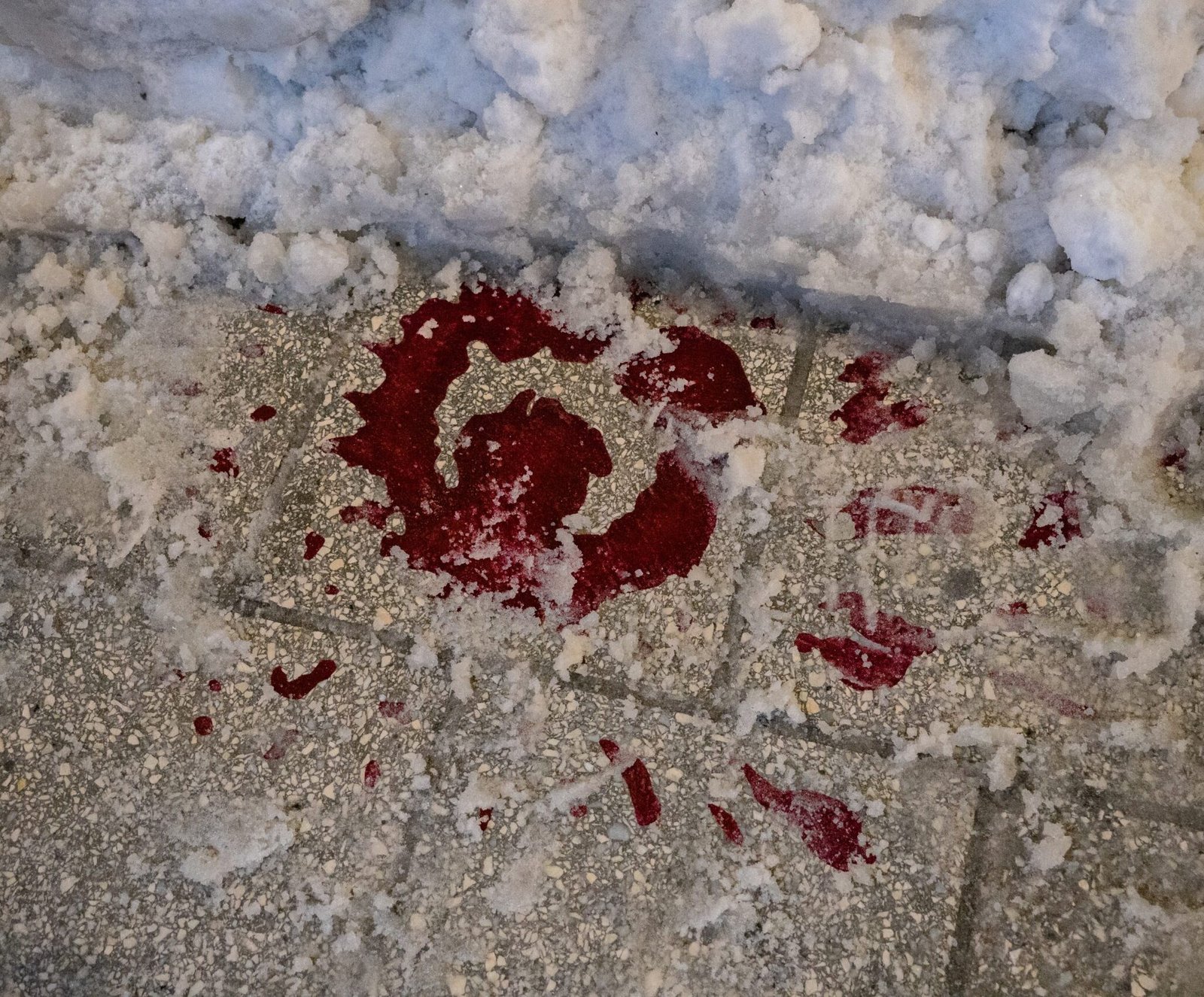
Mind the Sarajevo Roses: As you walk through the city, look out for red roses in resin on concrete pavements. These are the “Sarajevo Roses,” marking the exact locations where mortar shells fell during the siege.
Currency: Bosnia and Herzegovina’s official currency is the Bosnian Convertible Mark (BAM/KM). Some vendors, particularly in tourist spots will also accept Euros but don’t rely on it.
Card v Cash: Local bakeries and small shops often deal only in cash so be sure to carry small notes for these.
ATM Warning: If you need to withdraw cash then do not use the yellow and blue Euronet ATMs as they charge high conversion rates and dynamic currency exchange markups. Stick to the local banks like Raiffeisen or NLB.
Drinking Water: The tap water in the city is mountain-fed so is considered to be completely safe to drink. You can also fill up your bottle at historic public fountains around the Old Town.
Stay on Paths: If you hike up Mount Trebević or explore rural areas, stay on marked, well-travelled paths. Most tourist areas are completely clear but some off-trail areas in remote surrounding hills still carry residual landmine warnings from the 1990s war.
Hi, I'm Kelly!
Welcome to The Untold Journeys, a travel blog with a focus on raw, authentic travels and finding those exciting hidden gems.
I’m here to share my experiences and stories to give you everything you need to explore the world and head on your own adventures.
Recent Posts
Blog Posts
Tucked away in the quiet Bosnian town of Konjic, hidden beneath an unassuming residential house is Tito's Bunker. Here I’ll share everything you need to know before visiting Tito’s bunker, and a story about one of my biggest travel fails of all time.
The Bosnian Pyramids are a complex of huge structures claimed to be the oldest and largest man-made pyramids on Earth. In this guide, I’ll share how to get there, what you’ll actually see, ticket costs, and what it’s really like to visit during the winter off-season.
The surrounding region of Herzegovina is full of gems like medieval stone towns, cliffside monasteries and stunning waterfalls. Here is my honest review of the Herzegovina day trip from Mostar, what to expect, practical tips for booking or self-driving and more.
