
3 Days in Mostar: The Ultimate Travel Guide to Herzegovina’s Gem
This post contains affiliate links, which means I may earn a commission if you make a booking, at no extra cost to you.
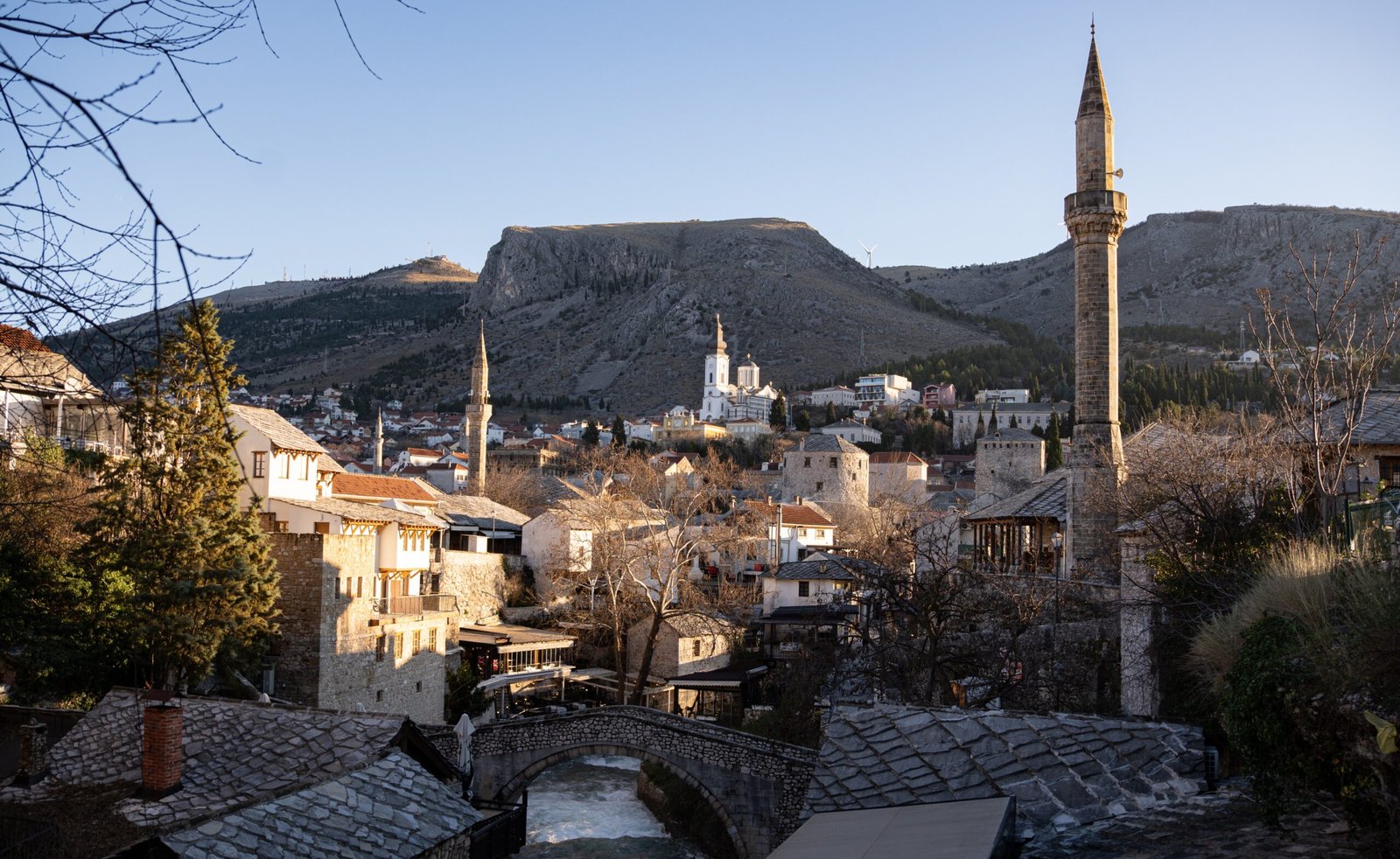
Mostar is Herzegovina’s undisputed gem. With its cobbled streets, turquoise rivers and iconic Stari Most, it’s a travel destination worth visiting.
Many travellers visit Mostar on a rushed day trip from Sarajevo or while passing through on an extended Balkans trip. If you have extra time, 3 days is perfect for exploring the rich history, vibrant cafes and insanely impressive surrounding nature.
Whether you plan on visiting Bosnia and Herzegovina in peak summer or exploring in the off-season, this Mostar travel guide covers everything you need to know: practical logistics, top sights, a suggested itinerary, and more.
How to Get to Mostar
Conveniently, Mostar is well-connected to other major hubs in the region so whether you’re exploring just Bosnia and Herzegovina or more of the Balkans, you can easily get to Mostar.
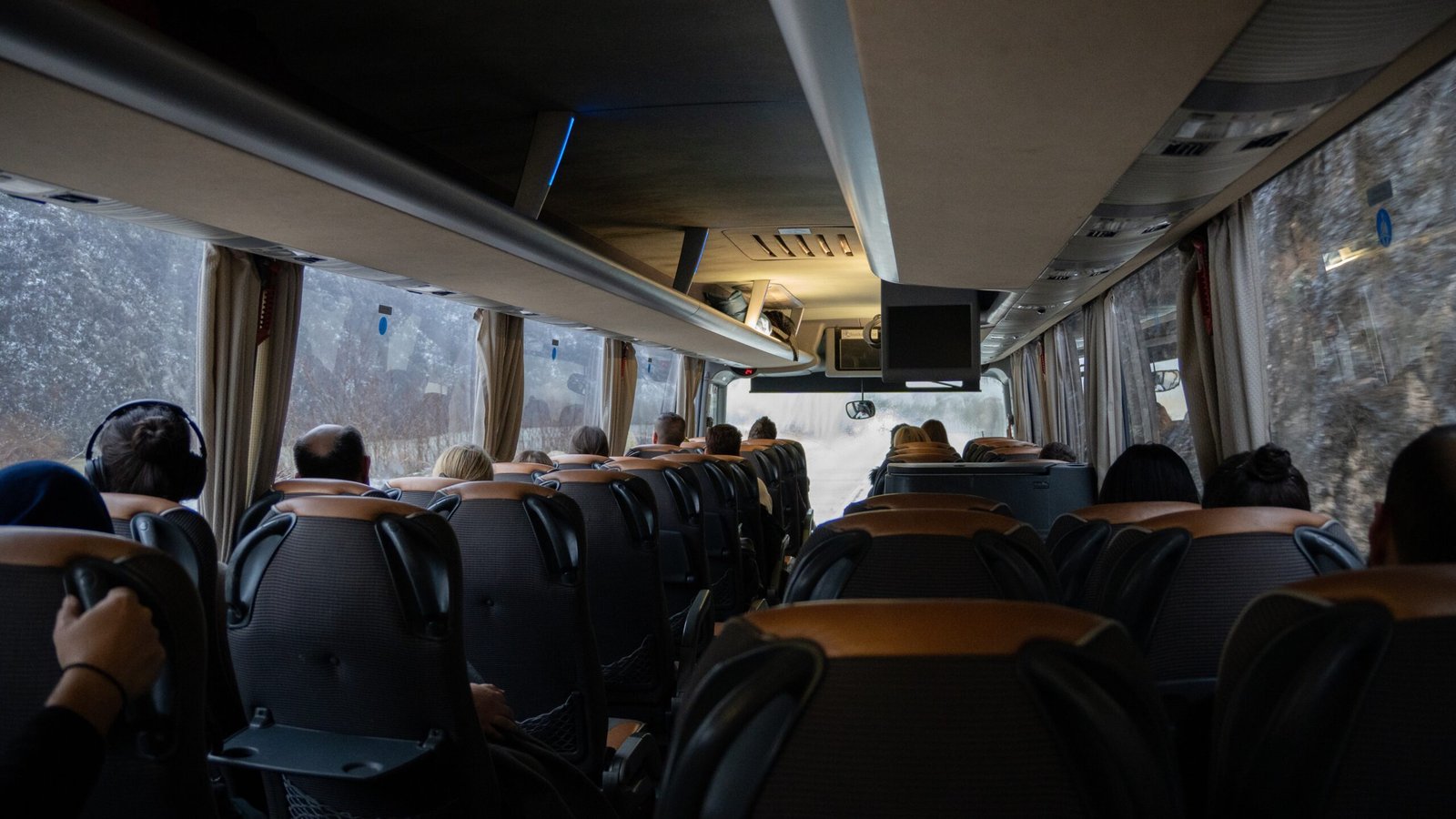
From Sarajevo: Both trains and buses are available from the capital city. For this route, trains are typically preferred – they are more affordable but run less frequently. Both options offer scenic journeys through the mountain valleys, along the emerald rivers.
International Bus: The main bus station (Autobuska Stanica) just outside of the Old Town offers connections to and from Kotor, Herceg Novi, Dubrovnik, Split, Zagreb and even as far as Vienna.
By Rental Car: A popular choice for those looking to do a Balkans road trip or explore Bosnia and Herzegovina with more flexibility. The drive to Mostar from other major cities like Sarajevo is simple, well sign-posted and offers gorgeous scenery.
By Air: If you’re going directly to Mostar, Mostar International Airport (OMO) offers flights to and from many European cities such as: Düsseldorf, Rome, Milan, Zagreb, Belgrade and more. A simple, direct route, but the least cost-effective choice.
Top Things to See and Do in Mostar
Stari Most (The Old Bridge)
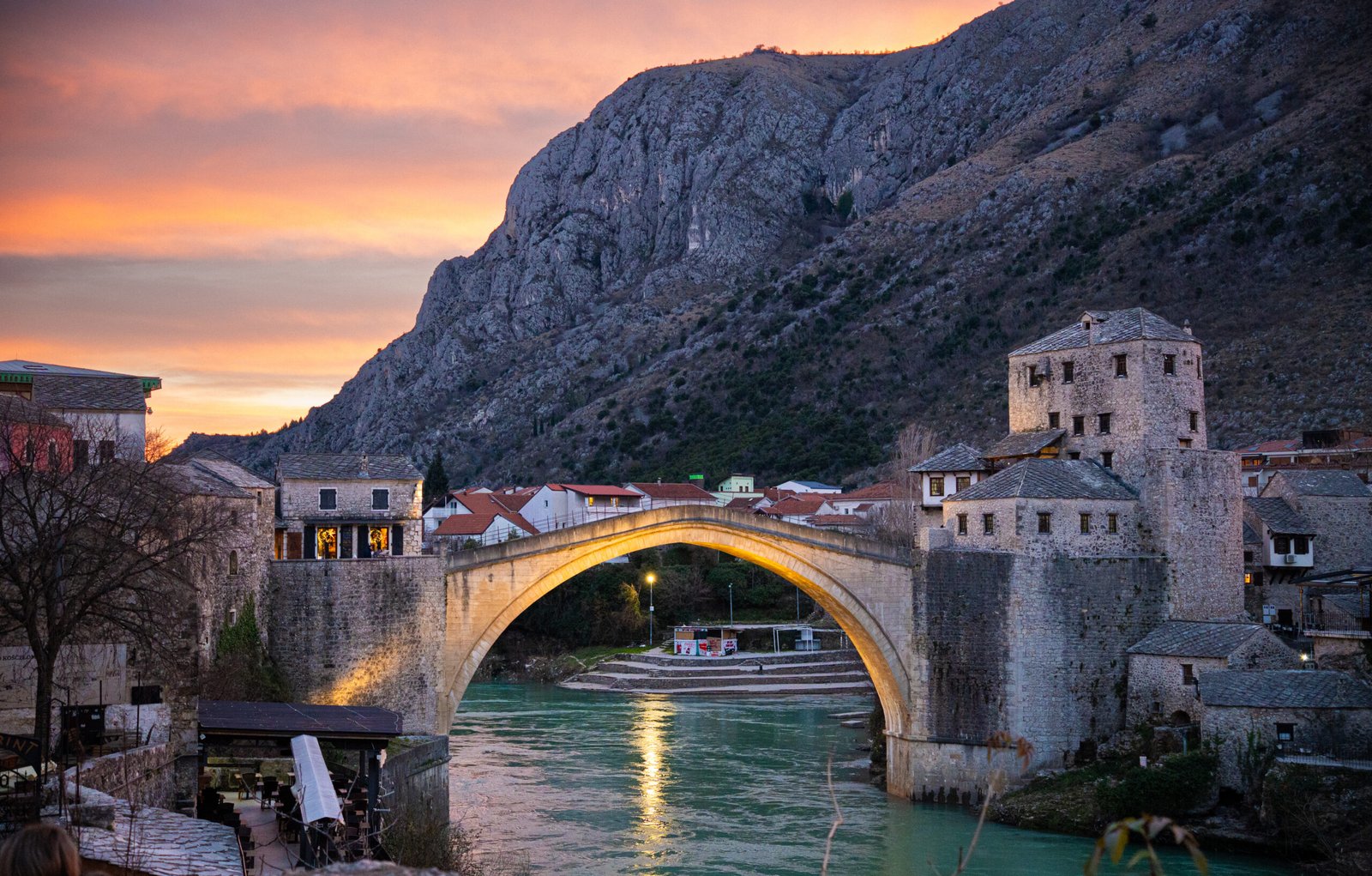
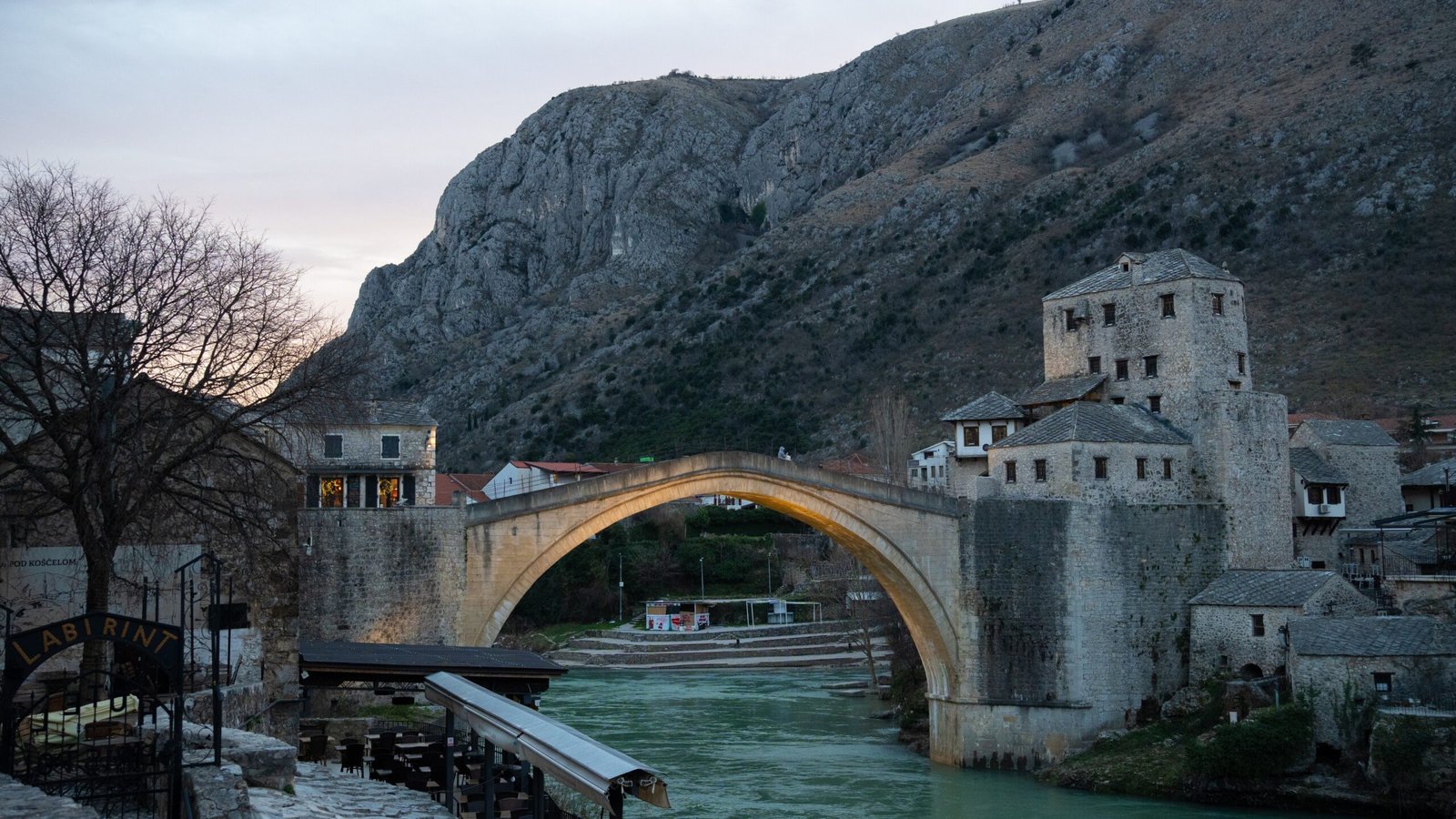
Originally built in 1566 by Ottoman architect Hayuddin, destroyed in 1993 during the Bosnian War and rebuilt in 2004, Stari Most sits at the heart of the city. In the summer, crowds gather to watch local divers jump from the bridge into the Neretva River below.
Kujundžiluk (Old Bazaar)
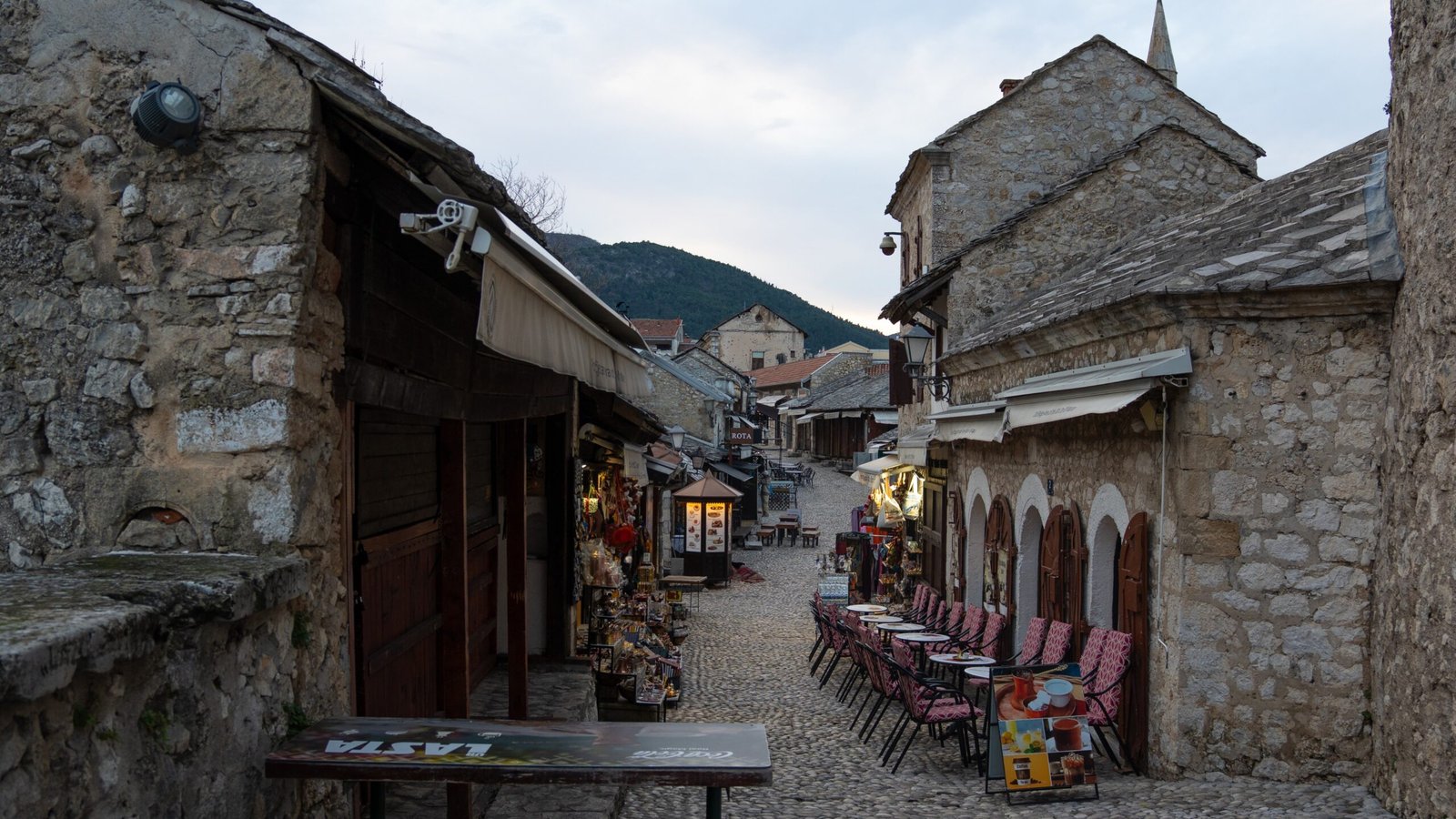
Wander around Mostar’s cobblestone alleys filled with workshops, local traders and traditional cafes.
Koski Mehmed Pasha Mosque
This 17th century Ottoman mosque offers one of the best views of Mostar. For 14 BAM (€7 / $8), you can climb the narrow minaret for views over Stari Most and the river.
Recent History Mostar
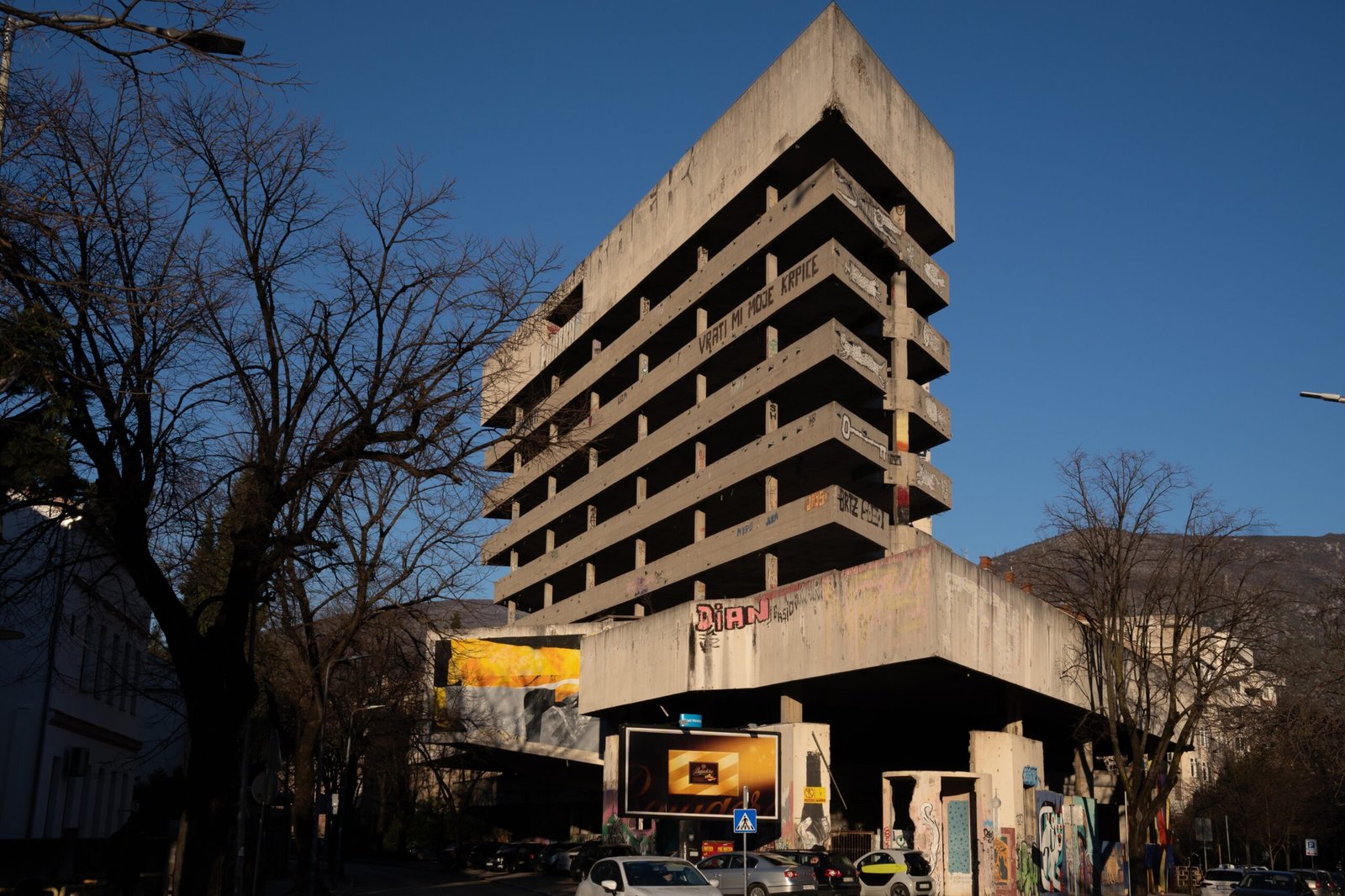
Mostar still shows evidence of the 1990s conflicts, in the buildings that stand with bullet holes, in the abandoned bank that was used as a sniper tower and in the buildings that have crumbled from devastation. The city also hosts a war photo exhibition in the tower next to Stari Most.
Kriva Ćuprija (The Crooked Bridge)
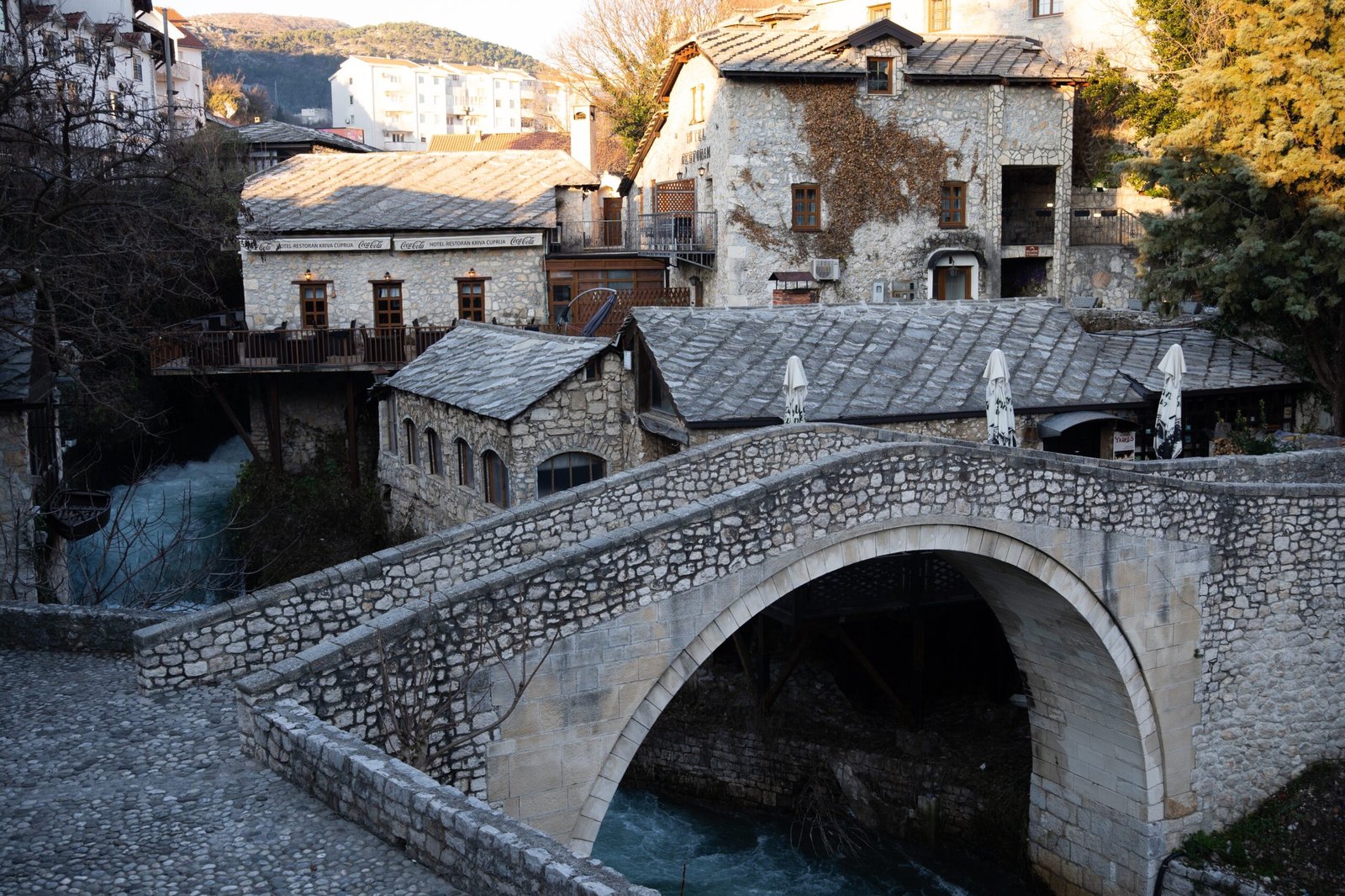
Just west of Stari Most, along the Radobolja River, you’ll find this smaller arch bridge which looks like a miniature Stari Most. It’s far less crowded and more peaceful.
The Ideal 3-Day Mostar Itinerary
Day 1: Old Town & Ottoman Heritage
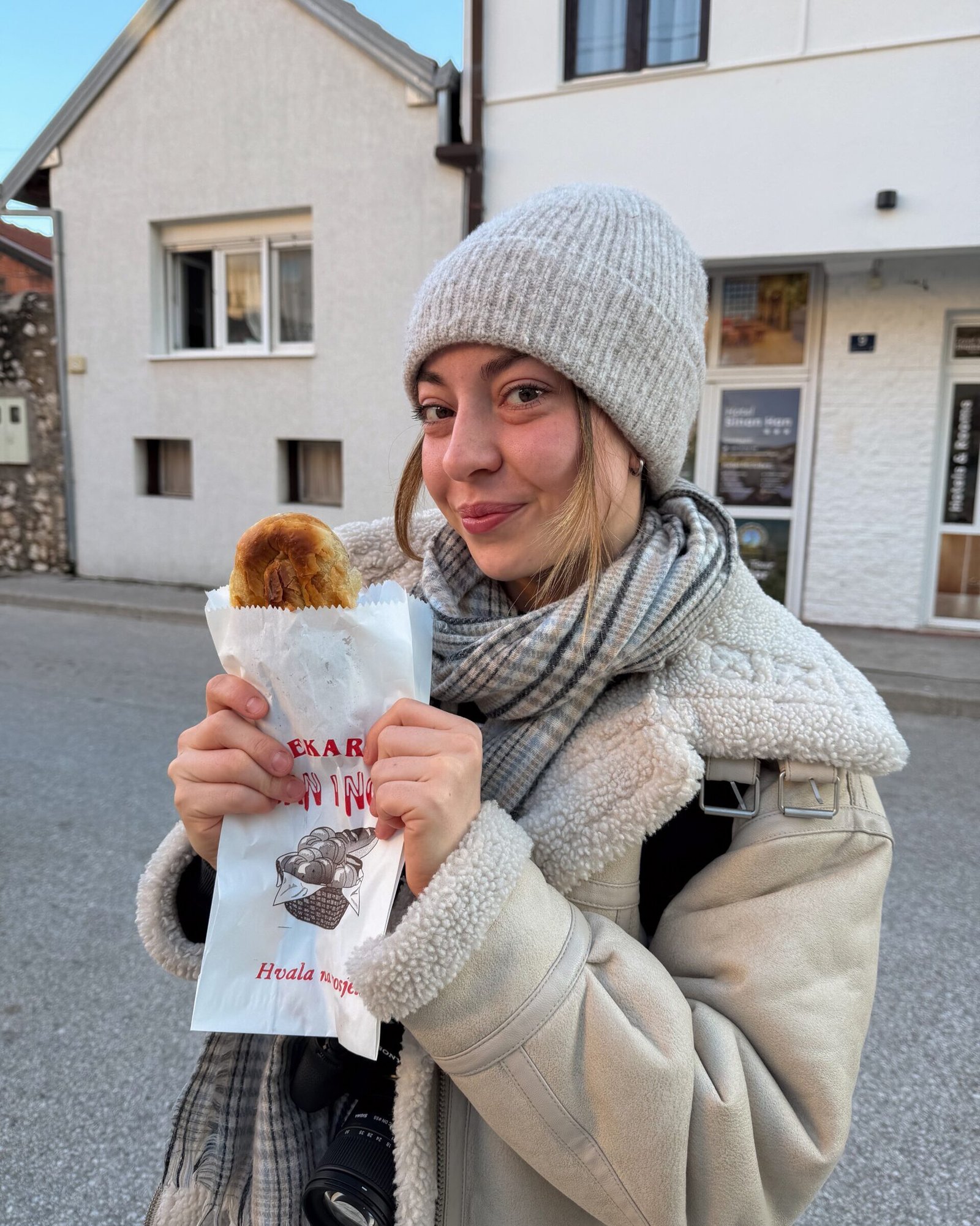
Morning: After arriving into the city, explore Kujundžiluk and enjoy a burek from a local bakery .
Afternoon: Head to Stari Most, watch the bridge divers, and visit Kriva Ćuprija. Climb the minaret at Koski Mehmed Pasha Mosque for gorgeous sunset views.
Evening: Enjoy a traditional Bosnian dinner at a terrace restaurant overlooking the Neretva River.
Day 2: The Herzegovina Day Tour
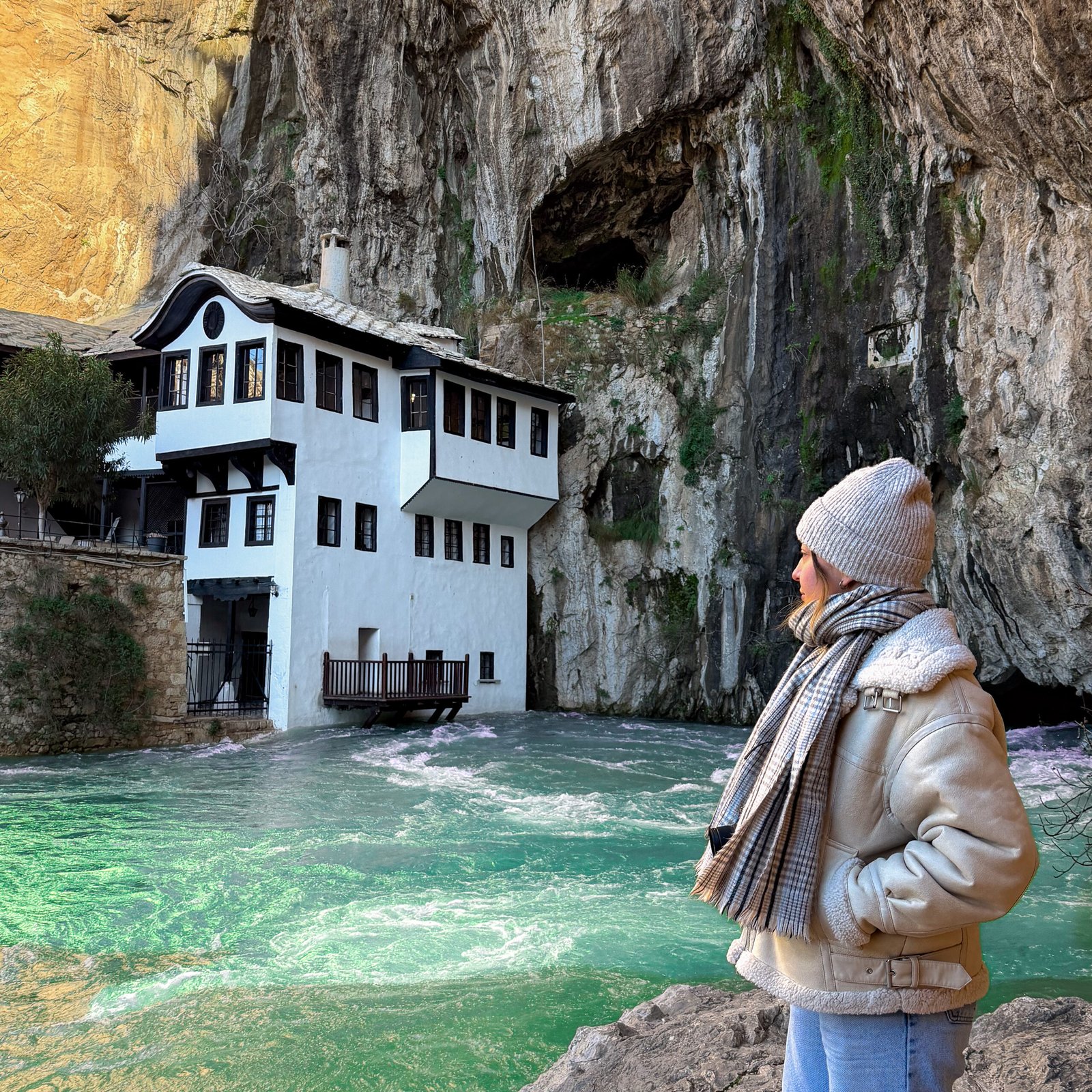
Take a full day tour or explore these nearby sights independently: Blagaj Tekke (Dervish Monastery), Počitelj Fortress, and Kravica Waterfalls.
Interested about these wonderful spots in Herzegovina?
Day 3: History, Sunset Views & Hidden Gems
Morning: Take a walk to the Sniper Tower and nearby area before taking a tour of the Museum of War and Genocide Victims or the War Photo Exhibition to understand Mostar’s recent history.
Afternoon: Head up to Fortica Hill for incredible views across Mostar and the entire valley.
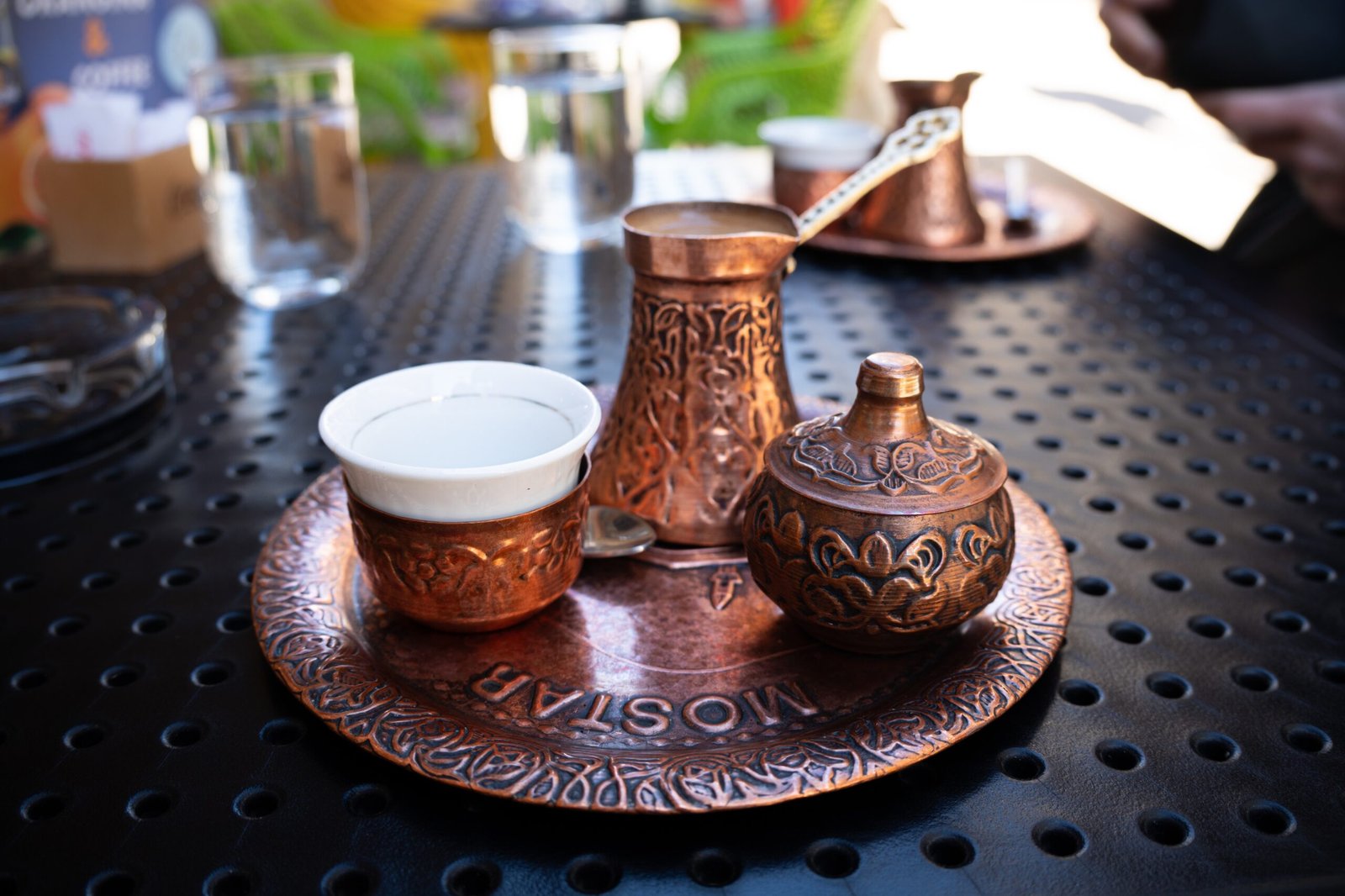
Evening: Enjoy a traditional Bosnian coffee at a riverside cafe as the city lights illuminate Stari Most.
Where to Eat & Drink
Pekara Lučki Most: A local bakery serving fresh pastries. Go early for best selection and warm burek.
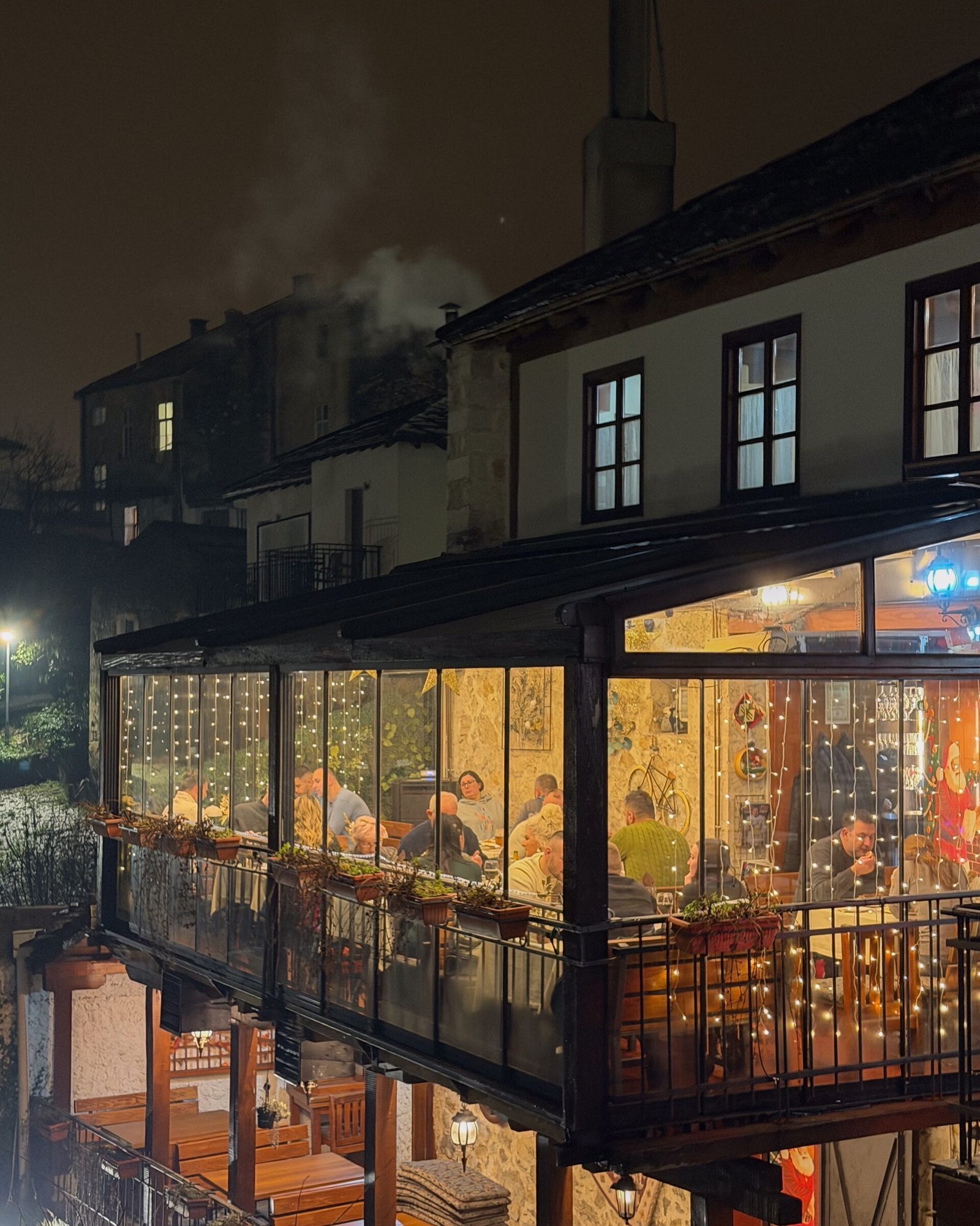
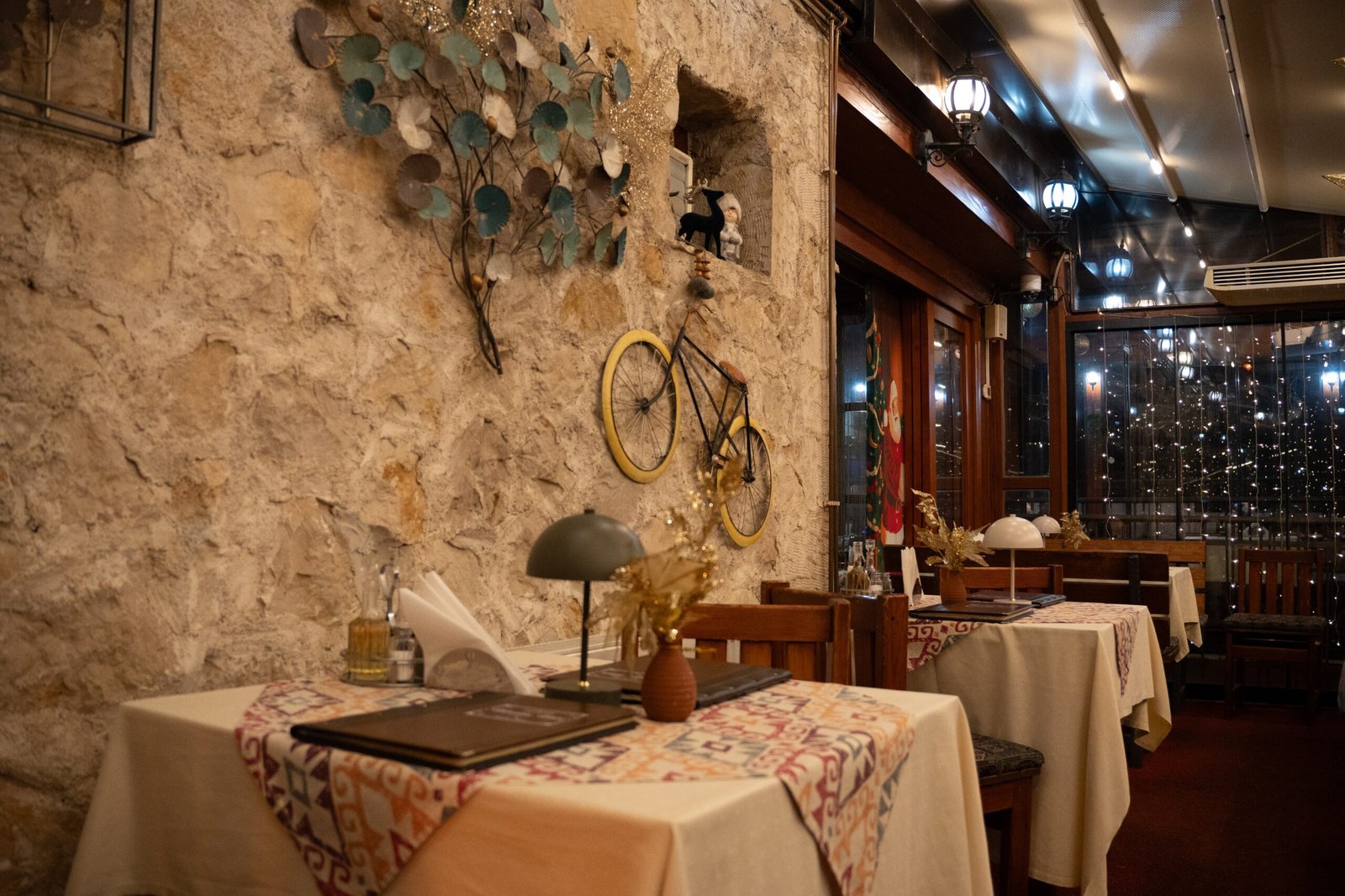
Hindin Han: A popular restaurant that offers beautiful views over the Radobolja stream near the Crooked Bridge. It’s a little pricy but we ate here for my partner’s birthday after being recommended it by our hosts.
Cafe De Alma: Mostar’s first specialty coffee shop dedicated to authentic Bosnian coffee culture. The staff will teach you the proper ritual of drinking traditional unfiltered coffee with Turkish delight.
Where to Stay in Mostar
To be close to the main tourist sights, staying in the Old Town is the best choice. If you’re looking for something more modern with access to supermarkets, and modern cafes then West Mostar may be preferable.
I stayed at Toro Riverside Apartments for just €20 / $23 – a simple room with basic amenities just a little walk from the Old Town. For those looking to explore on a budget it’s a good option. Be aware I visited in winter so prices will be higher in summer months.
Best Day Trips from Mostar
Mostar serves as a perfect base for exploring the Herzegovina region. Here’s two day trips absolutely worth your time:
- The Herzegovina Tour (Blagaj, Počitelj & Kravica): The iconic day trip covering medieval towns, cliffside monasteries, and waterfalls.
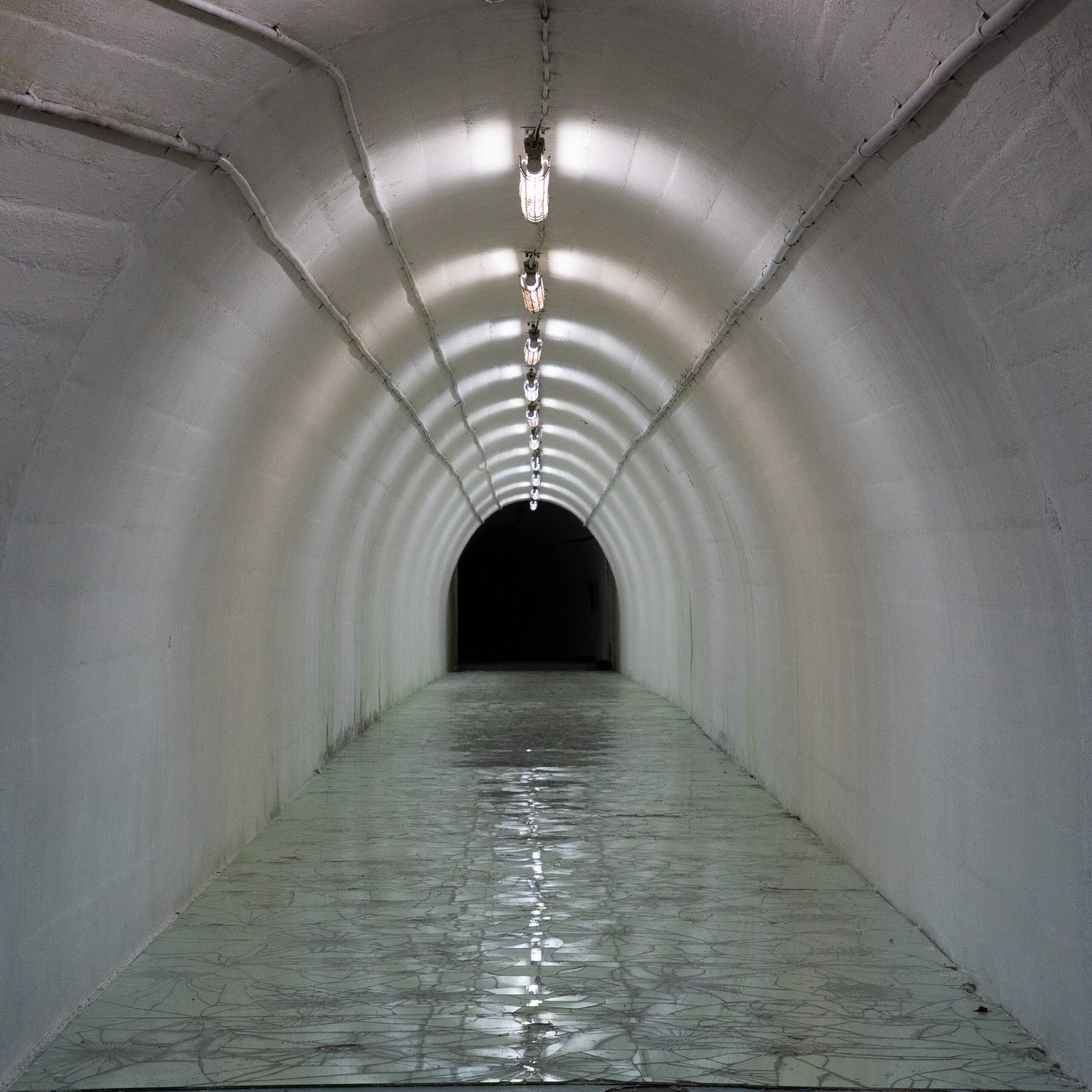
- Tito’s Secret Bunker in Konjic: Located just 50 minutes north by bus or train.
Essential Mostar Travel Tips
- Wear Comfortable Shoes: Mostar’s cobblestone streets are smooth, and can become slippery. This along with plenty of walking means comfortable shoes are a must.
- Currency: Bosnia and Herzegovina’s official currency is the Bosnian Convertible Mark (BAM/KM). Some vendors, particularly in tourist spots will also accept Euros.
- Card v Cash: Local bakeries and small shops often deal only in cash so be sure to carry small notes for these.
- ATM Warning: If you need to withdraw cash then do not use the yellow and blue Euronet ATMs as they charge high conversion rates and dynamic currency exchange markups. Stick to the local banks like Raiffeisen or NLB.
- East v West: Due to the war of the 90s, the city is split with the East being predominately Bosniak (Muslim) with Ottoman architecture and mosques while the West is predominately Croat (Catholic) with modern concrete apartments and Austro-Hungarian architecture.
- Drinking Water: The tap water in Mostar is mountain-fed so is considered to be completely safe to drink.
Hi, I'm Kelly!
Welcome to The Untold Journeys, a travel blog with a focus on raw, authentic travels and finding those exciting hidden gems.
I’m here to share my experiences and stories to give you everything you need to explore the world and head on your own adventures.
Recent Posts
Blog Posts
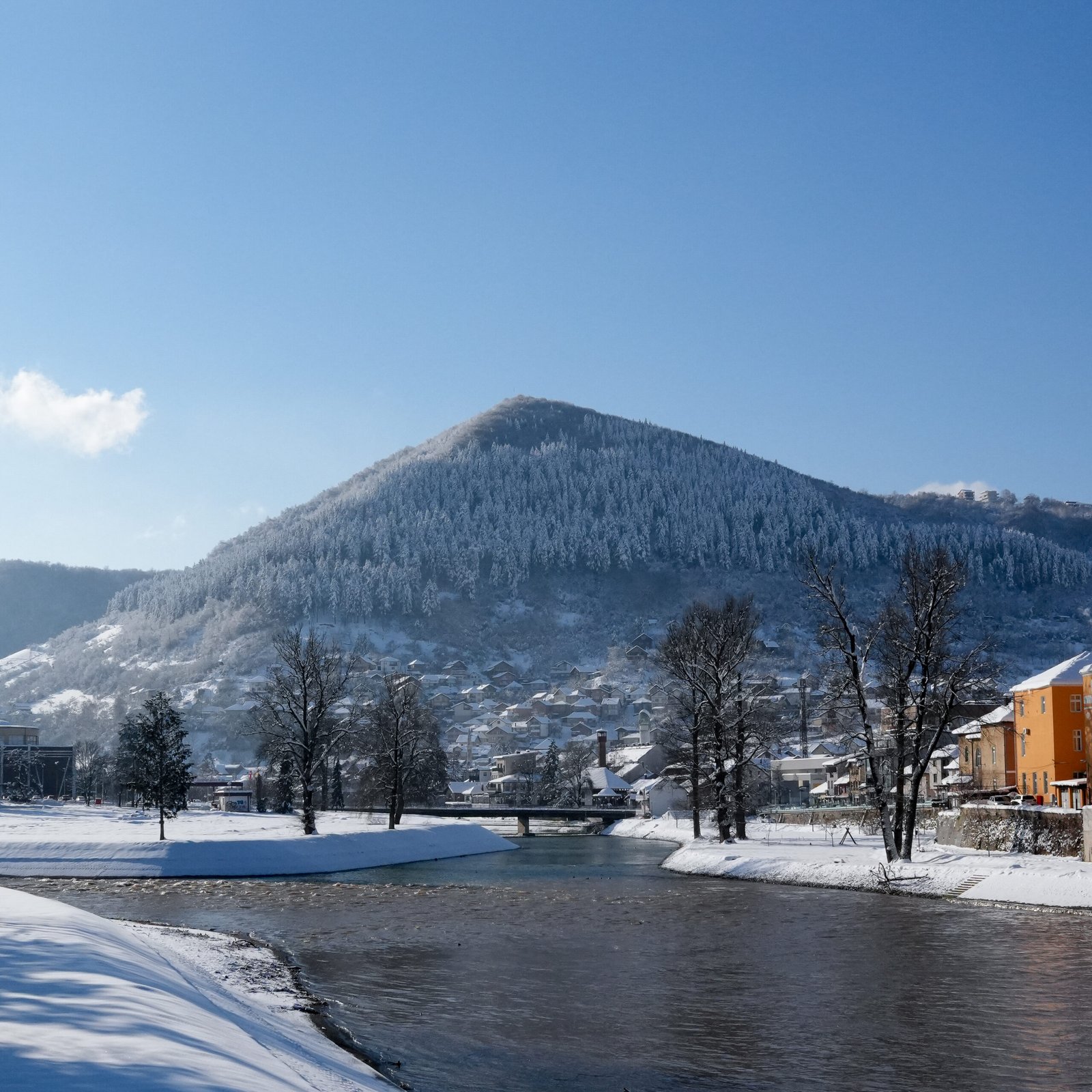
The Bosnian Pyramids are a complex of huge structures claimed to be the oldest and largest man-made pyramids on Earth. In this guide, I’ll share how to get there, what you’ll actually see, ticket costs, and what it’s really like to visit during the winter off-season.
The surrounding region of Herzegovina is full of gems like medieval stone towns, cliffside monasteries and stunning waterfalls. Here is my honest review of the Herzegovina day trip from Mostar, what to expect, practical tips for booking or self-driving and more.
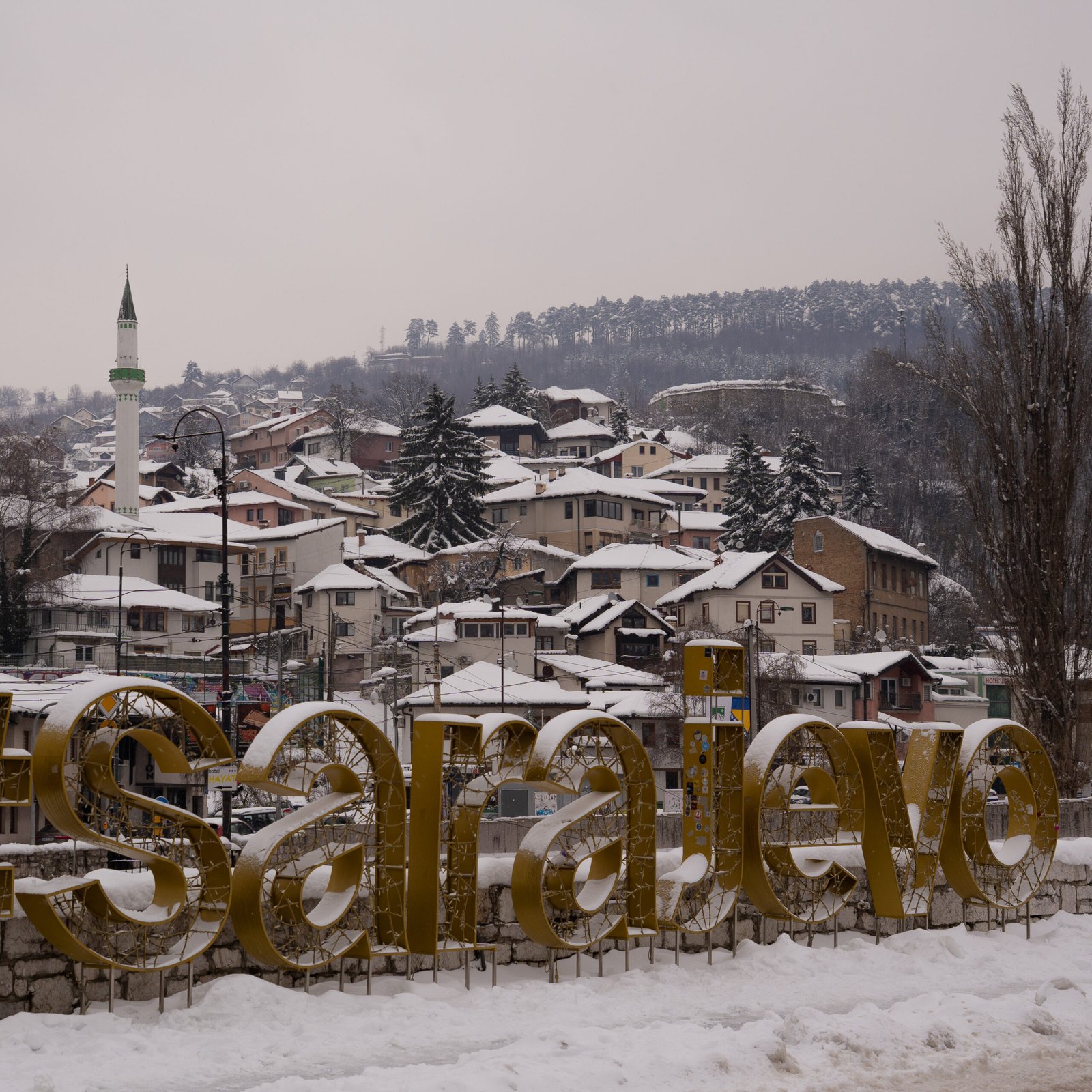
Sarajevo is a captivating city where East meets West, this Sarajevo travel guide will cover everything you need to plan your trip with top sights, food spots, practical logistics and more.
