Is Bikaner Worth Visiting? A 2-Day Guide to Rajasthan’s Hidden Gem
This post contains affiliate links, which means I may earn a commission if you make a booking, at no extra cost to you.
Rajasthan is one of India’s most popular states for tourism which means that places like Jaipur, Jodhpur and Udaipur can become overcrowded during peak season. Within India’s desert state, you’ll find cities that people don’t visit but offer the same charm.
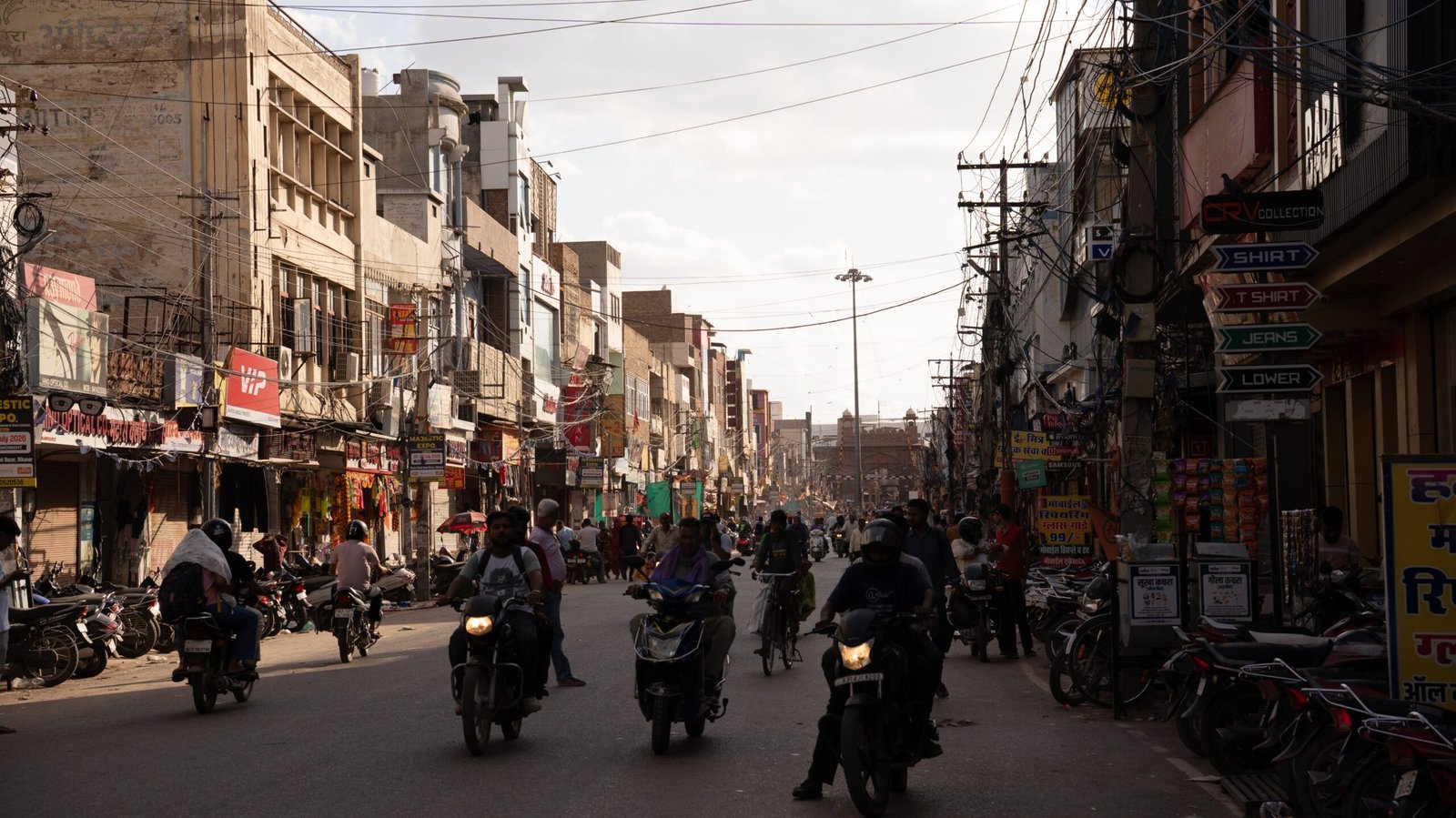
Bikaner is one of these cities which offers the same Rajasthani, royal grandness with a fraction of the crowds and tour guides. The first thing I noticed when arriving in Bikaner is a complete change of pace, a place where the locals are genuinely welcoming and people take time for things.
So, if you appreciate beautiful architecture, long-standing heritage, authentic dishes and friendly locals then consider checking out this guide to spending 2-days in Bikaner.
Contents
Practical Logistics
Best Time to Visit: For the most optimal weather, October through to March offers comfortable daytime temperatures of 20°c to 28°c compared to brutal summer heat of up at 45°c.
I visited in August and the heat was intense to say the least. If you can only visit in the hotter months then ensure you stay hydrated, protect your skin and avoid the midday sun.
How to Get There: Bikaner is well-connected to nearly cities like Delhi, Jaipur, Jodhpur and Jaisalmer by trains and buses. If you prefer a private transfer, they are also widely available around Rajasthan.
I took a 6 hour sleeper bus from Jaipur for only $6, which I booked on redbus. The service is local with many locals hopping on and off at random villages but it got me from one city to another.
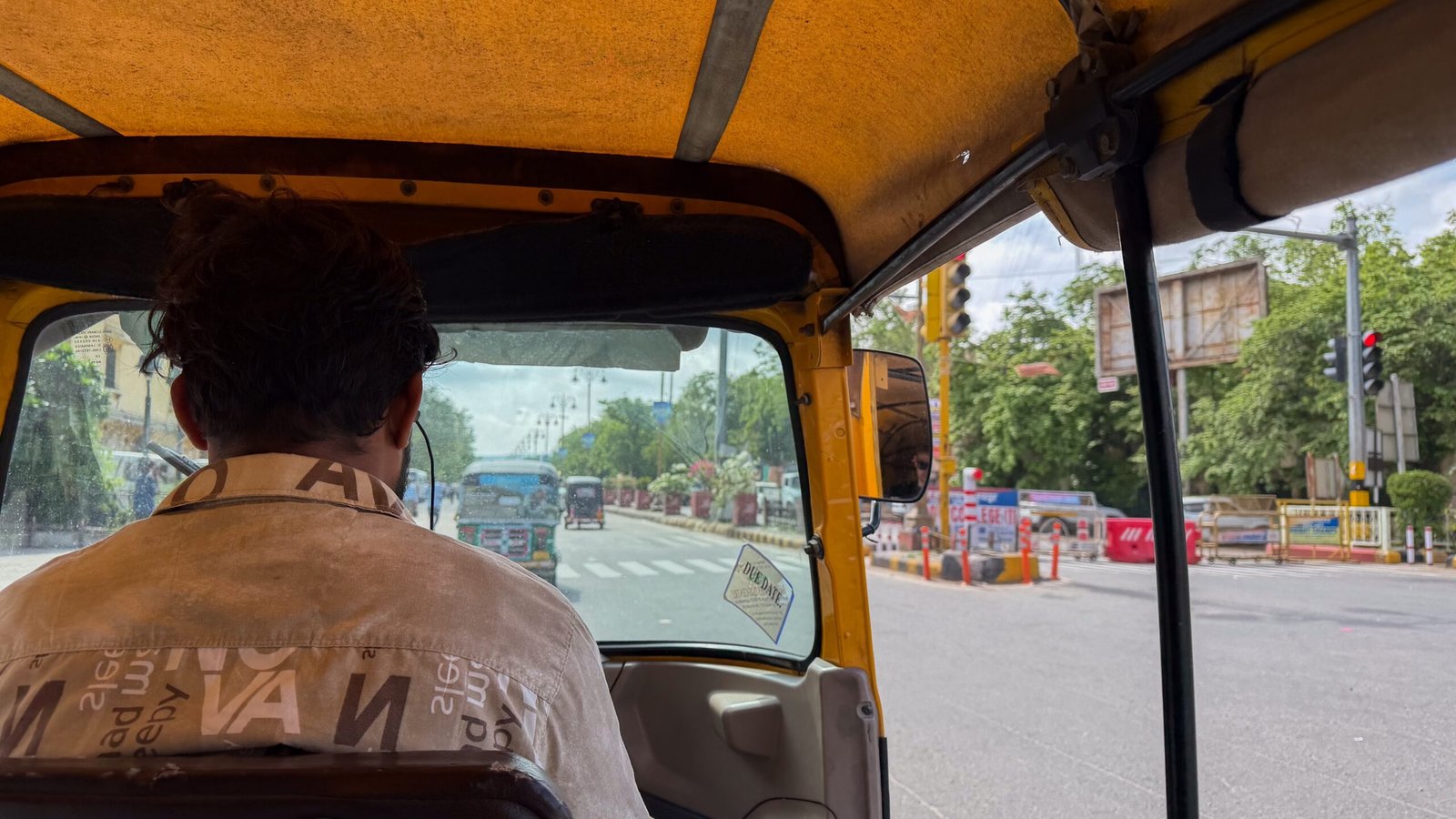
Getting Around: The Old City is completely walkable and offers an insight into local life. If you plan to go further and explore other attractions then auto-rickshaws are available. Uber doesn’t operate in Bikaner so you will need to hail an auto and negotiate on a price before you set off.
For reference, a short ride across the city should cost around 100-150INR and a ride to the camel research centre should cost around 200INR. At least these were the prices we paid and they seem completely fair.
What to See and Do in Bikaner
Junagarh Fort
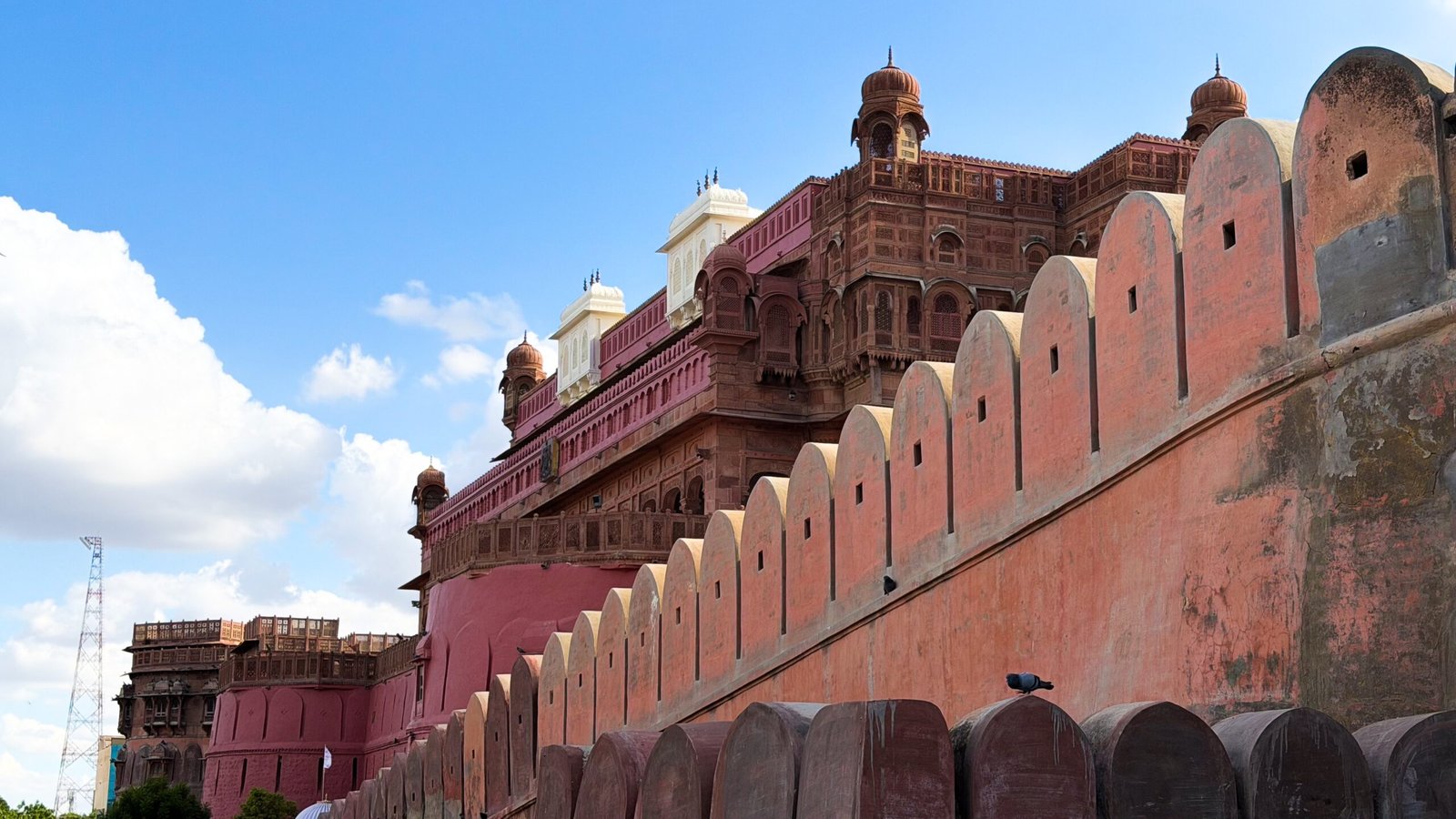
Unlike most Rajasthani forts which are defensively built on hilltops, Junagarh Fort is unique as it sits on the flat city ground. Built in 1588 by Raja Rai Singh, it is one of the few major forts to not be conquered by foreign invaders which means its interior remains in pristine condition.
Rampuria Havelis
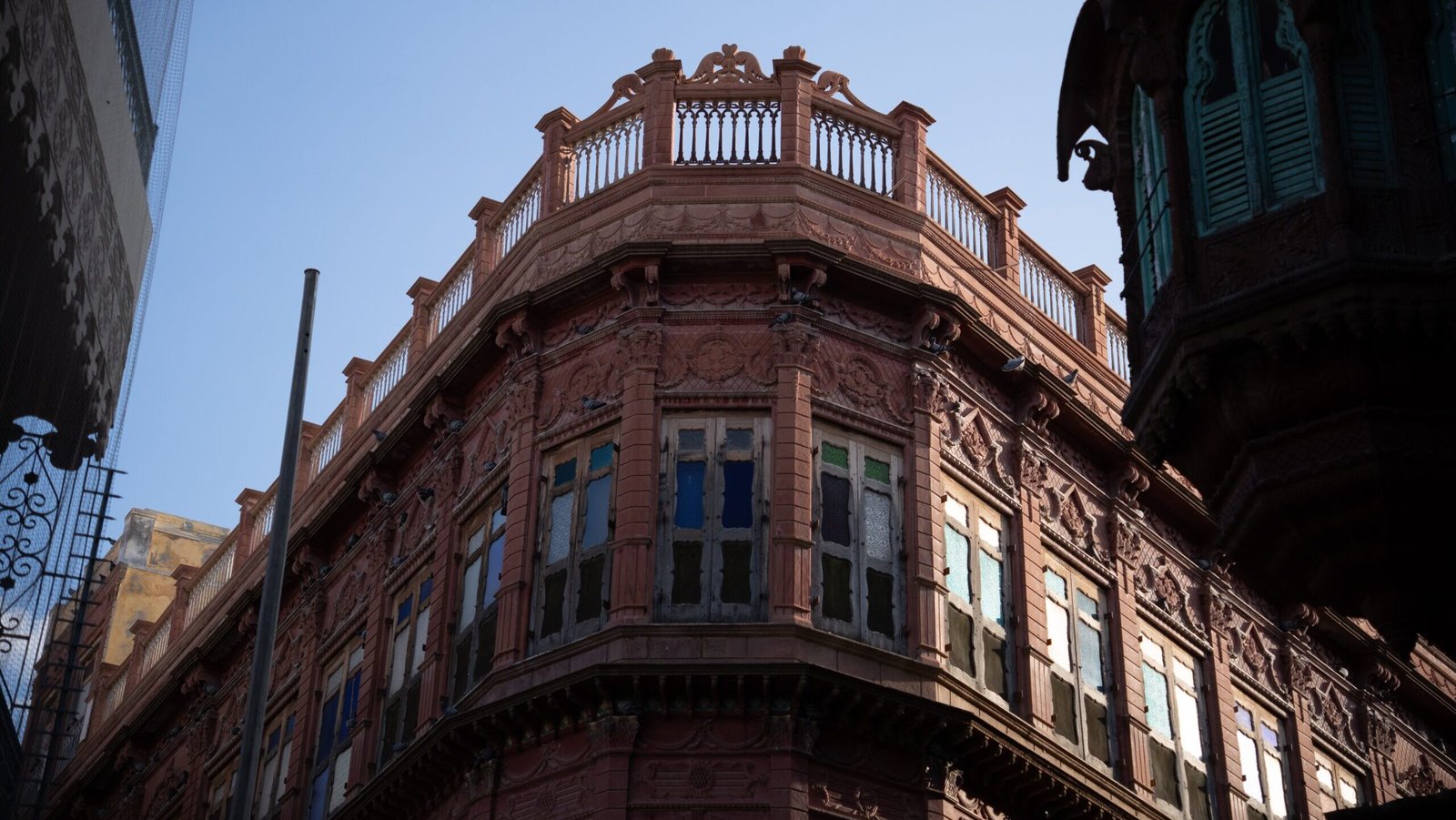
An area with many grand red-sandstone mansions built in the 15th century by merchants with architectural inspiration from the Victorians, Mughals and Rajputs. They are a photographers dream, especially in evening lighting.
Bhandasar Jain Temple
Famous for its 15th-century mirror artwork and the local legend that around 40,000kg of pour ghee was mixed into its foundation mortar. This temple sits raised above the city, offering wide views of the bustling streets below.
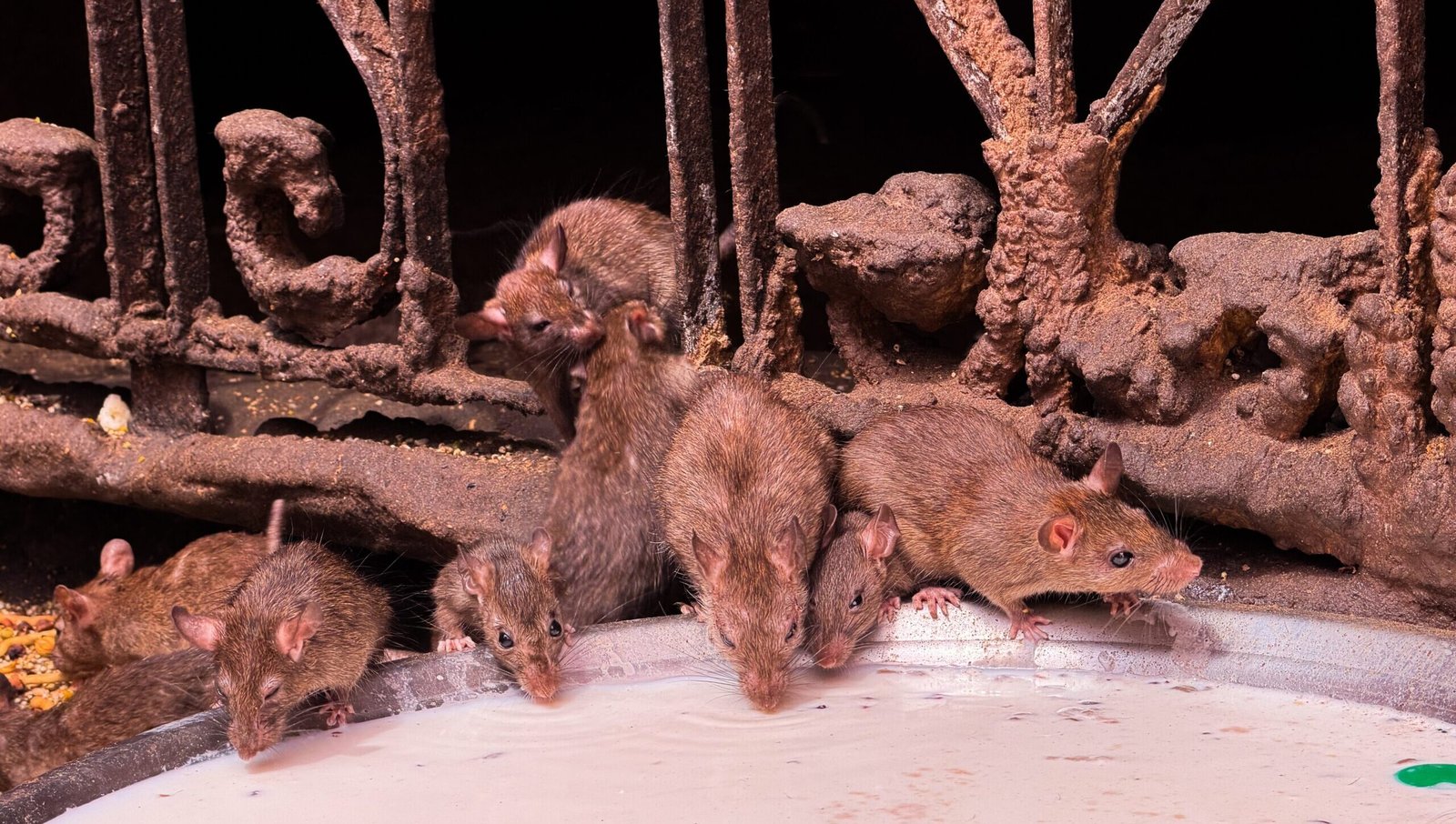
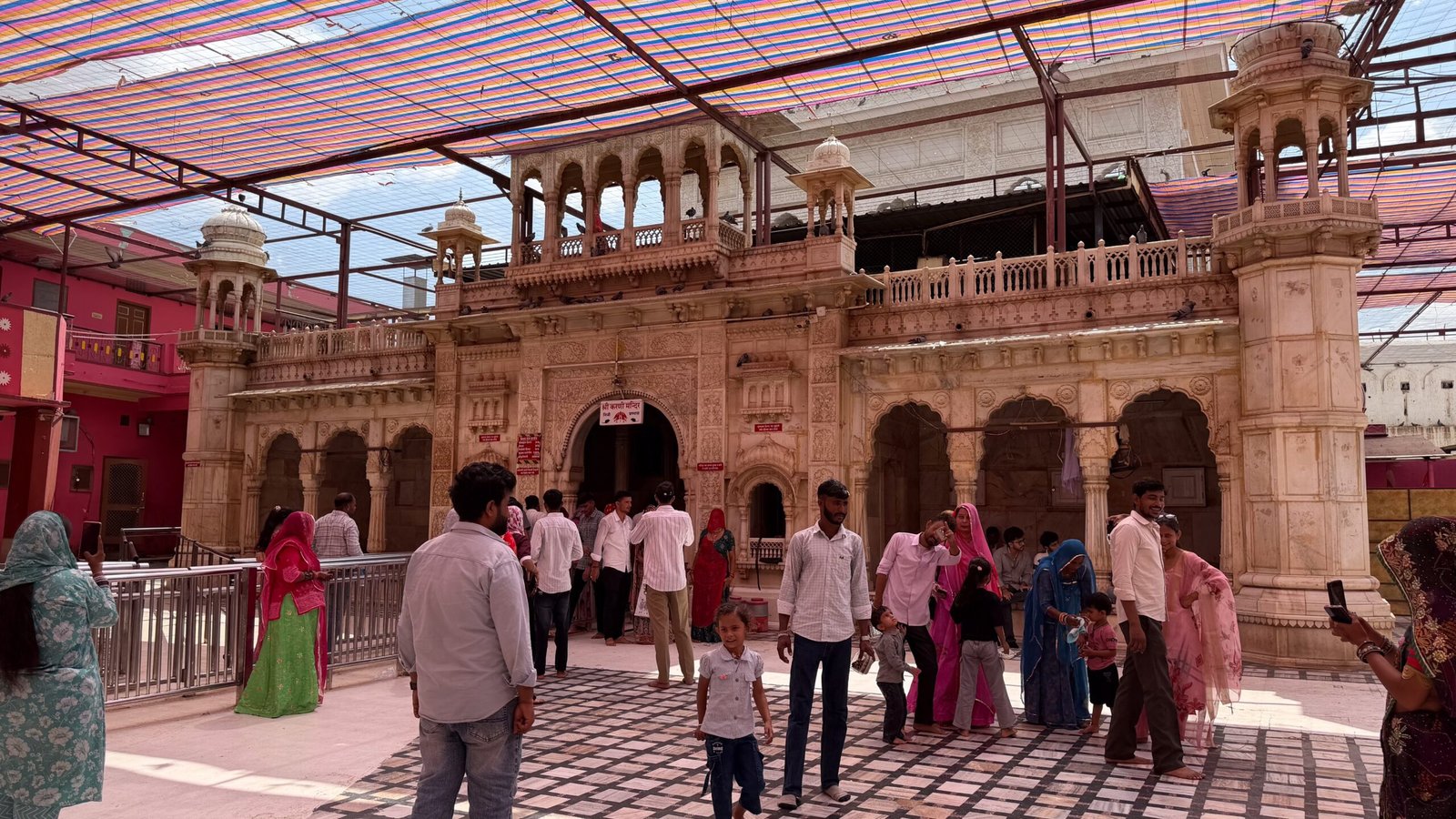
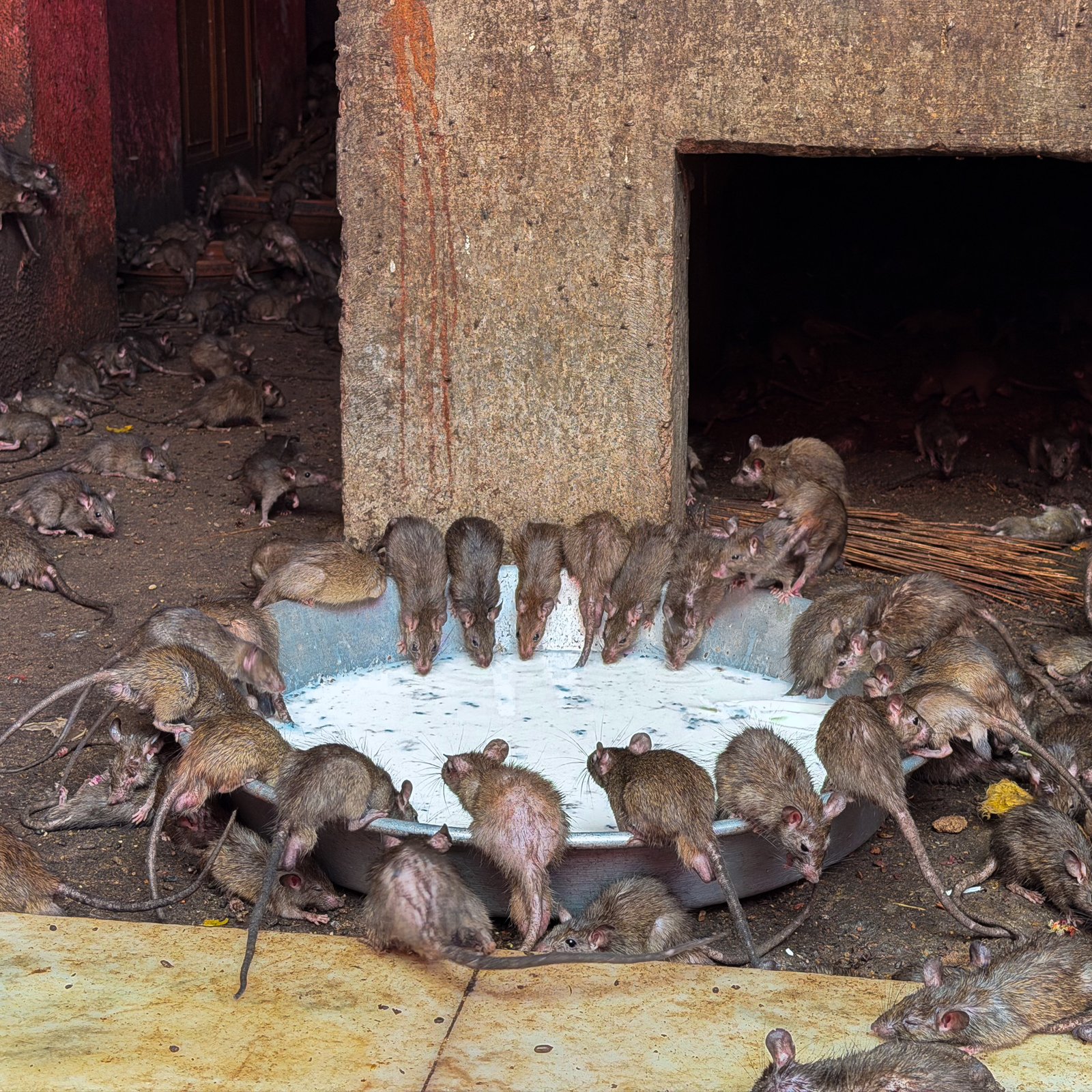
Located 30km south of Bikaner, this popular “Rat Temple”, home to over 20,000 black rats is absolutely worth a visit.
National Research Centre on Camel
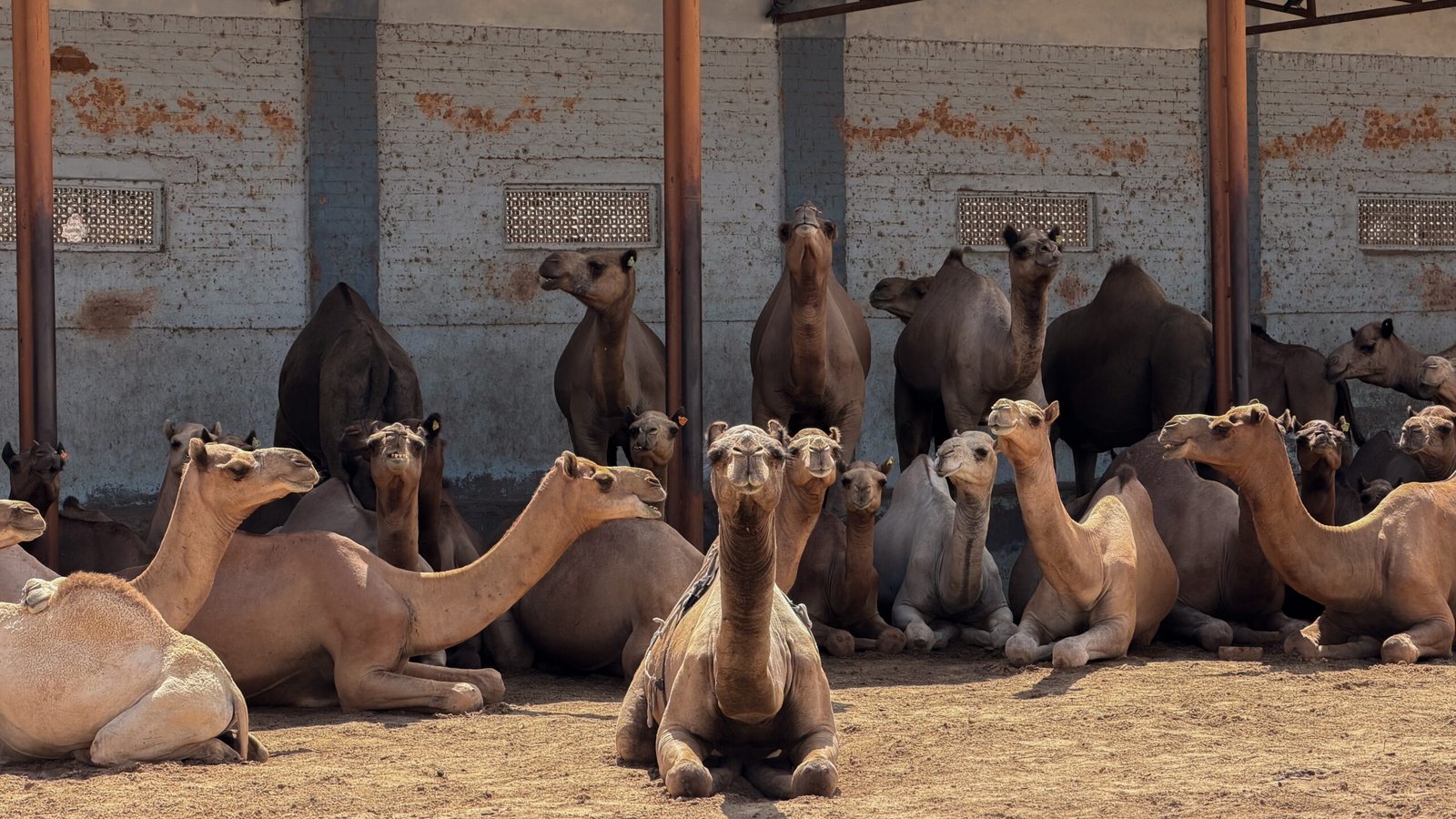
A government-run breeding and research facility which offers an insight into everything camel related. Here you can try unique camel products like camel milk ice cream.
2-Day Bikaner Itinerary
Day 1:
Spend your morning exploring Junagarh Fort and its 37 palaces as well as its grand courtyards, temples and museum. Then by the afternoon, head on towards Rampuria Havelis, picking up street food along the way. Around sunset, check out Bhandasar Jain Temple and the impressive views of the city below.
Day 2:
Travel by bus or auto-rickshaw over to Karni Mata Temple in Deshnoke to learn about the interesting beliefs of the local people. In the afternoon be sure to try a camel milk ice cream over at the Camel Research Centre.
Where to Stay in Bikaner
Bikaner offers a range of accommodation types to fit all preferences from budget hostels to mid-range to boutique heritage spots.
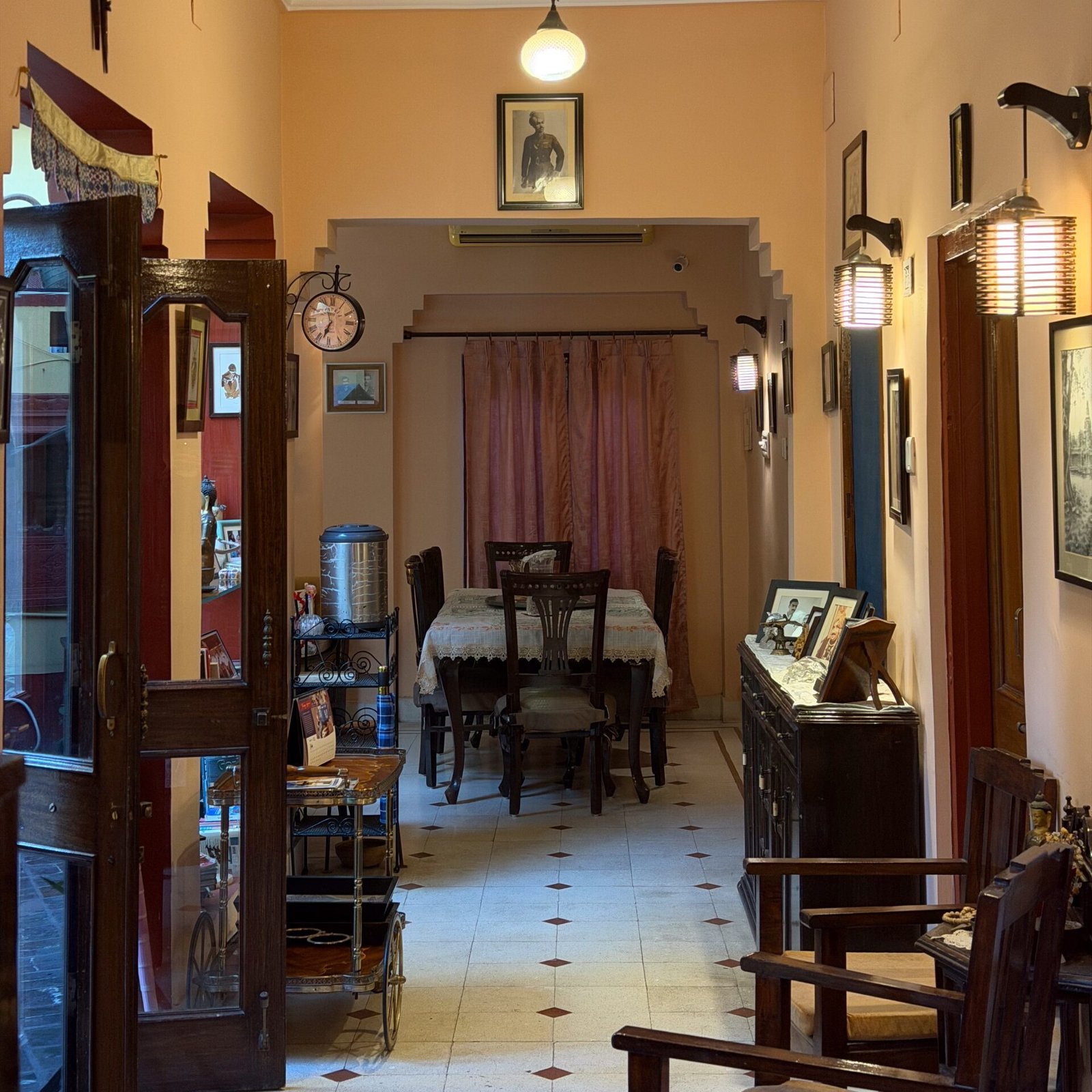
During my time in Bikaner I stayed at Udai Niwas – a family-run boutique heritage homestay located just outside of the old city.
Their spacious rooms offer a traditional architecture and a homely feel with breakfast included for around $24 per night.
They also have an attached cafe / restaurant which serves more typically western food like pizza and pasta. They do great shakes here too!
Travel Tips
Footwear Matters: You’ll likely be walking a lot around the city and for temples you’ll need to take your shoes off so opt for something comfortable and easy to take on and off.
Respectful Clothing: Even if you’re not heading into a religious building, Indian’s dress modestly day-to-day so do the same.
Cash is King: The majority of purchases you make will be in cash. Ensure you carry small notes as auto drivers often don’t carry change.
Tip: ATMs are available across the city and banks like Canara Bank and State Bank of India offer zero transaction fees.
Hi, I'm Kelly!
Welcome to The Untold Journeys, a travel blog with a focus on raw, authentic travels and finding those exciting hidden gems.
I’m here to share my experiences and stories to give you everything you need to explore the world and head on your own adventures.
Recent Posts
Blog Posts
The iconic “Blue City” isn’t everywhere in Jodhpur. This guide explains why these streets exist, where to find them, a walking route and etiquette to keep in mind while wandering the city.
Having spent almost a week exploring the Golden City, I’ve put together this complete Jaisalmer accommodation guide which covers the pros and cons, environmental impacts and practical tips to help you decide what’s right for your trip.
If you’re planning a trip to Bikaner or Rajasthan (or you’re just curious about this famous “Rat Temple), here is everything you need to know before visiting Karni Mata Temple