The Essential Sri Lanka Travel Guide For 2026: More Than Just an Itinerary
This post contains affiliate links, which means I may earn a commission if you make a booking, at no extra cost to you.
Sri Lanka, a small teardrop nation sitting in the Indian Ocean. It’s an absolute gem to explore and perfect for travellers who are after a combination of beautiful nature, delicious food and incredible culture.
After spending a full month exploring this amazing South Asian country, I’m here to share everything I learnt along the way to help you plan the most incredible trip for yourself. I’ll break down everything from essential logistics and budgeting to ultimate travel routes.
While I spent a full month here, this guide is intentionally built in regional blocks. Whether you have 10 days, 2 weeks or a full month to explore, you can easily build your itinerary using this to create your perfect Sri Lanka loop.
Contents
Logistics
Budget
Sri Lanka continues to grow in popularity with tourists but still remains an incredibly affordable destination for budget backpackers looking to stretch their travel funds. On the other side, it also offers stunning boutique villas and luxury experiences if you’re looking to splash out. Here is a rough guide to what you can expect to spend daily across major categories:
| Travel Style | Accommodation | Food & Drink | Transport & Sightseeing | Total Per Day |
|---|---|---|---|---|
| Budget (Backpacker) |
2,700 - 6,700LKR
($8 - $20) |
1,700 - 3,400LKR
($5 - $10) |
1,700 - 5,000LKR
($5 - $15) |
6,100 - 15,100LKR
($18 - $45) |
| Mid-Range (Comfort) |
10,000 - 27,000LKR
($30 - $80) |
5,000 – 11,800LKR
($15 – $35) |
11,800 – 22,000LKR
($35 - $65) |
27,000 – 60,800LKR
($80-$180) |
| Luxury (Splurge) |
50,000 – 168,000LKR +
($150 - $500+) |
20,000 – 40,000LKR +
($60 - $120+) |
40,000 – 100,000LKR +
($120 - $300+) |
110,000 – 310,000LKR +
($330 - $920+) |
Note: Sri Lanka is highly cash-based – see the FAQ section at the bottom of this post for tips on ATMs and card usage.
Looking for more Sri Lanka budget tips and guidance?
Transport
There’s three main ways to get around the country:
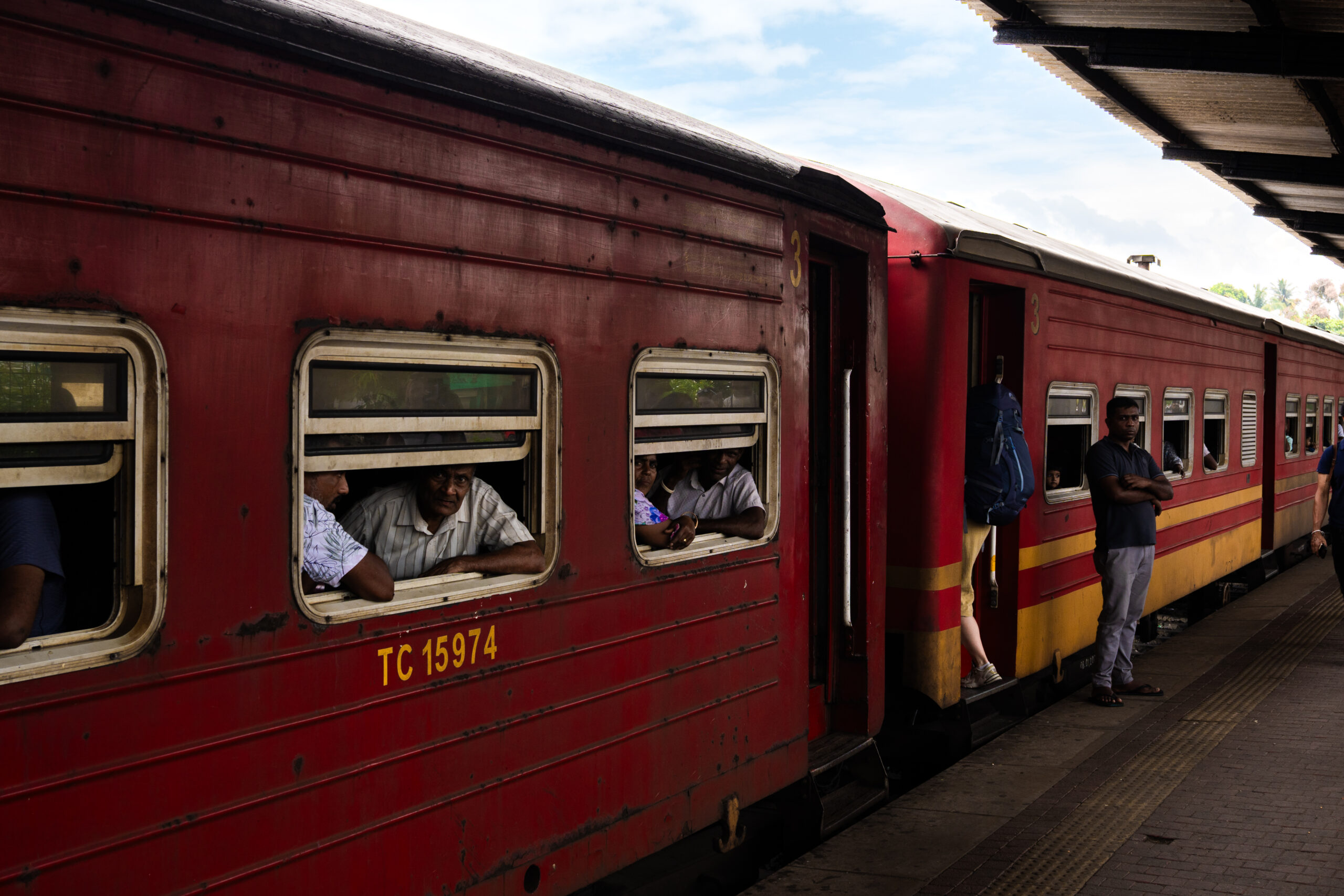
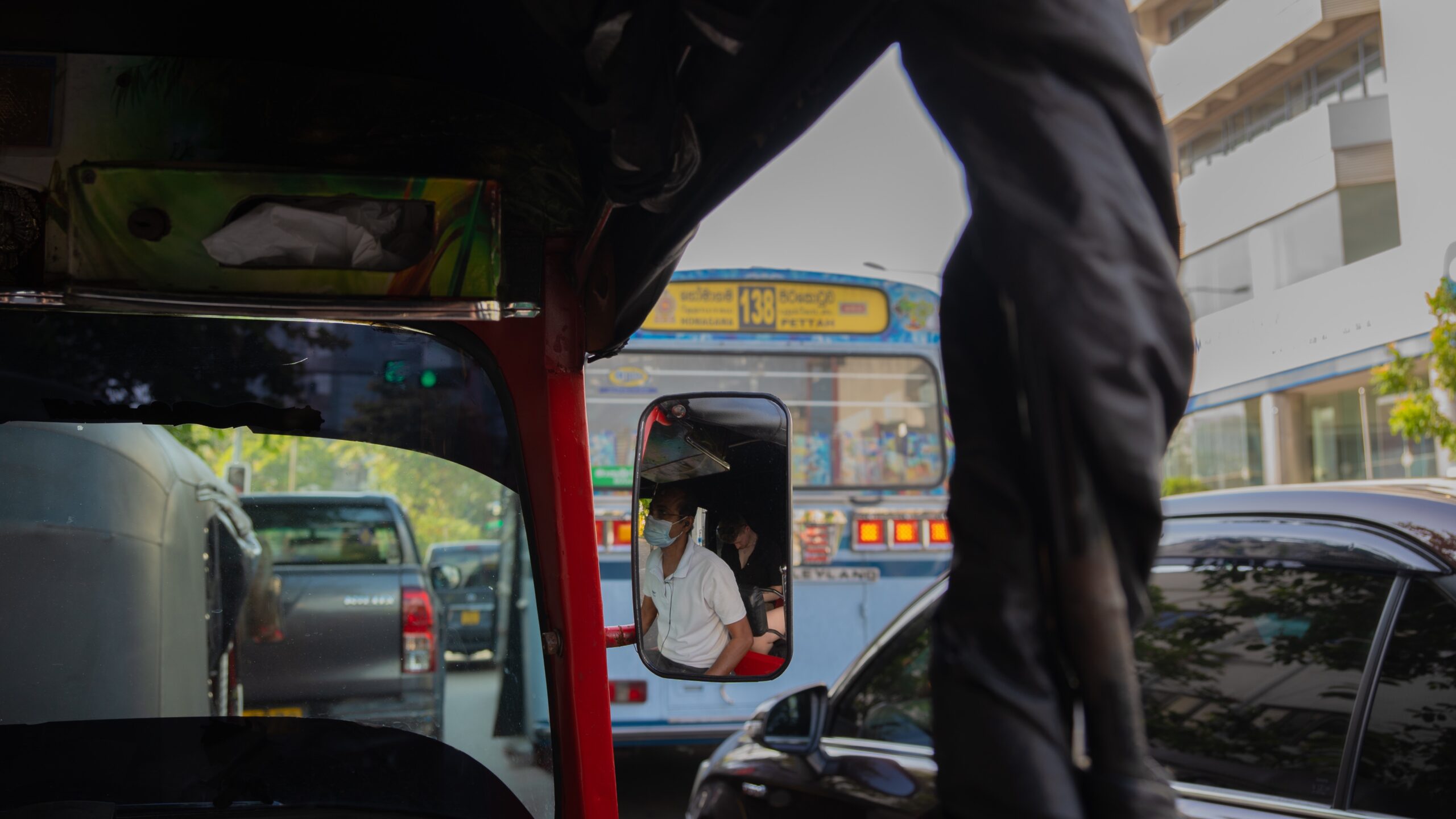
Public Transport: Incredibly affordable but crowded and hot at times.
Tuk-Tuk Rental: Through companies like tuktukrental.com you can pick up your own tuk-tuk and drive it around Sri Lanka yourself – you must have an International Driving Permit endorsed by the local AA.
Private Driver: A completely stress-free, flexible choice but not budget-friendly.
Weather
Sri Lanka has a tropical climate, meaning you can expect hot, humid weather year-round across the majority of the island. Daytime temperatures typically reach around 30°c with the exception of the Hill Country (Ella and Nuwara Eliya) due to the altitude.
Whilst it is a wonderful year-round destination, it does have two distinct monsoon seasons, which affect different sides of the island, to be aware of.
South & West Coast + Hill Country: Dry season is from December to April – perfect for south coast surfing and hiking in the hill country.
North & East Coast: Dry season is from May to September – perfect for Jaffna and east coast destinations like Trincomalee.
Visa
Visa requirements and restrictions differ entirely depending on your home country. However, Sri Lanka offers a free 30-day tourist visa scheme for 40 countries. Those who hold a passport from the UK, USA, Canada, Australia, New Zealand, India, Nepal, the EU and many more are included.
Please know that just because the visa is free doesn’t mean you can just turn up and head into the country. You will have to apply for an Electronic Travel Authorisation (ETA) online beforehand. Your passport must have more than 6 months of validity left from the day you land.
Be Aware: This is entirely free, if it tries to charge you then you’re on the wrong website. Use eta.gov.lk only.
Note: Visa rules can change often, so check your country’s exact up-to-date entry rules on the official Sri Lankan government site.
Generic Route
The most common way to explore Sri Lanka is to do a big loop starting from the capital city, Colombo. Whether you have a week, 2 weeks or a full 30 days, like I did, these are the most popular spots and an idea of a typical route to take:
Historic Start
Colombo / Galle
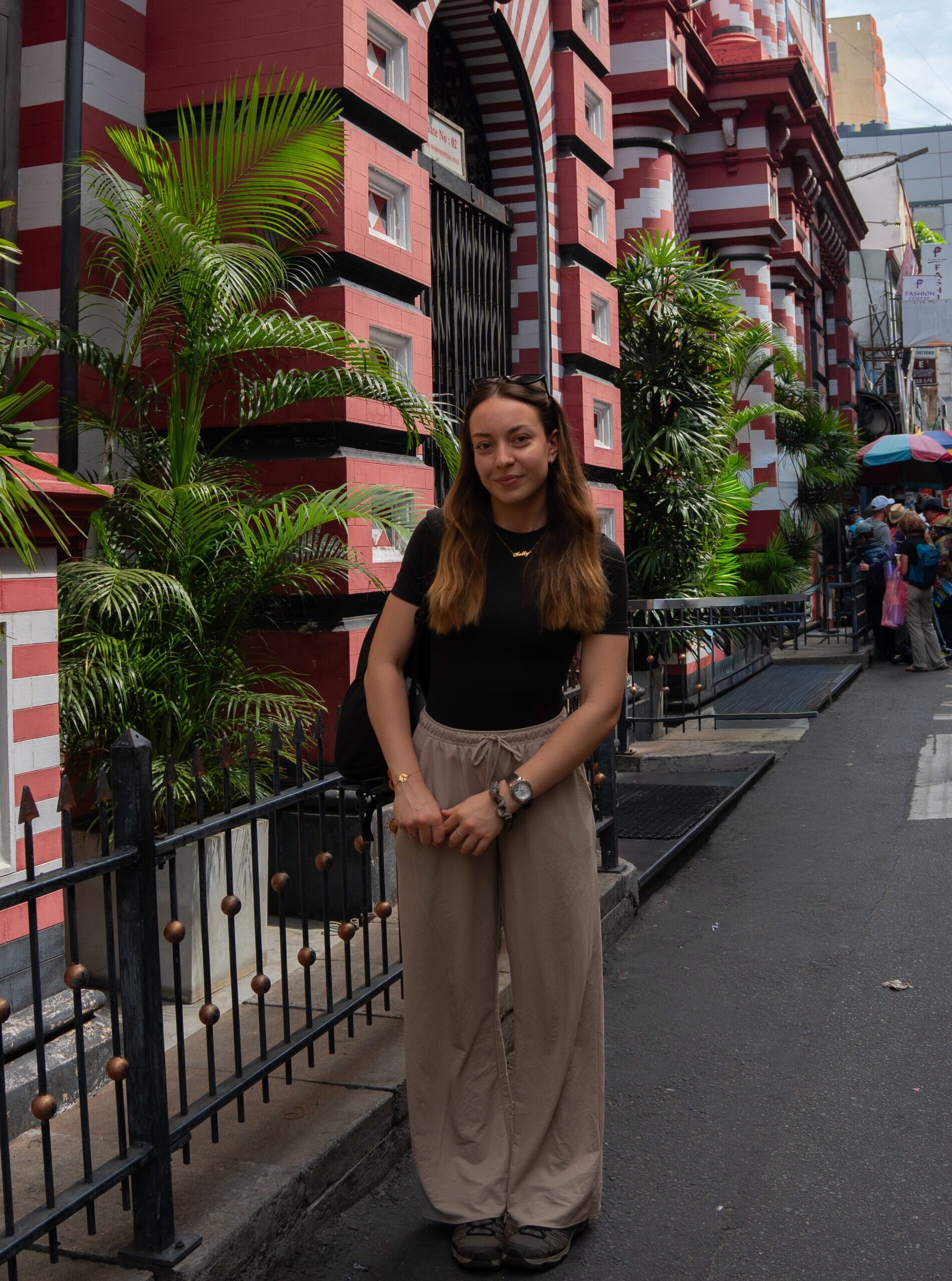
Most travellers will land in Colombo at Bandaranaike International Airport. Many opt to rush straight out of the capital but I would suggest spending at least 2 days here to explore the bustling markets and wonderful street food.
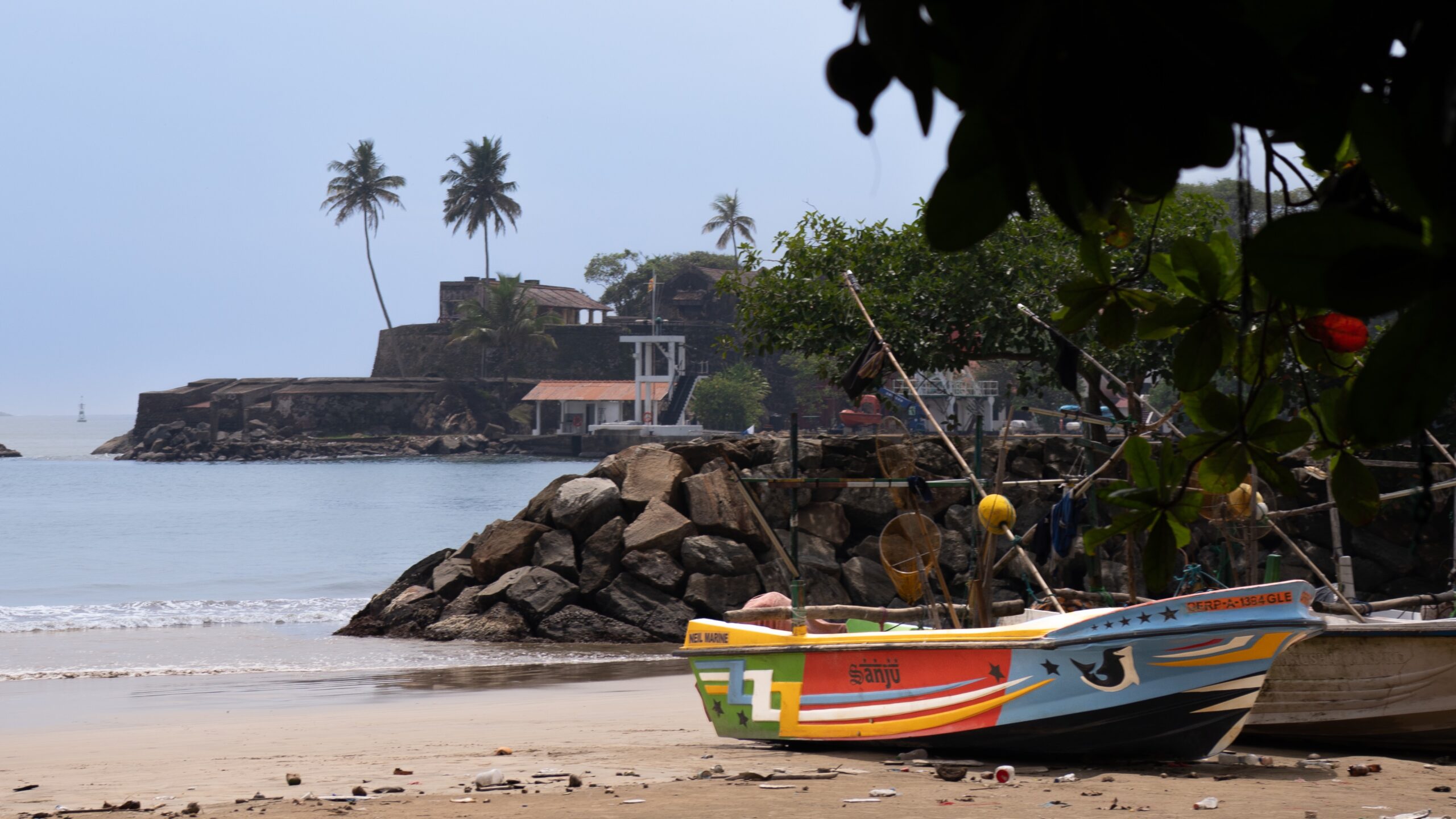
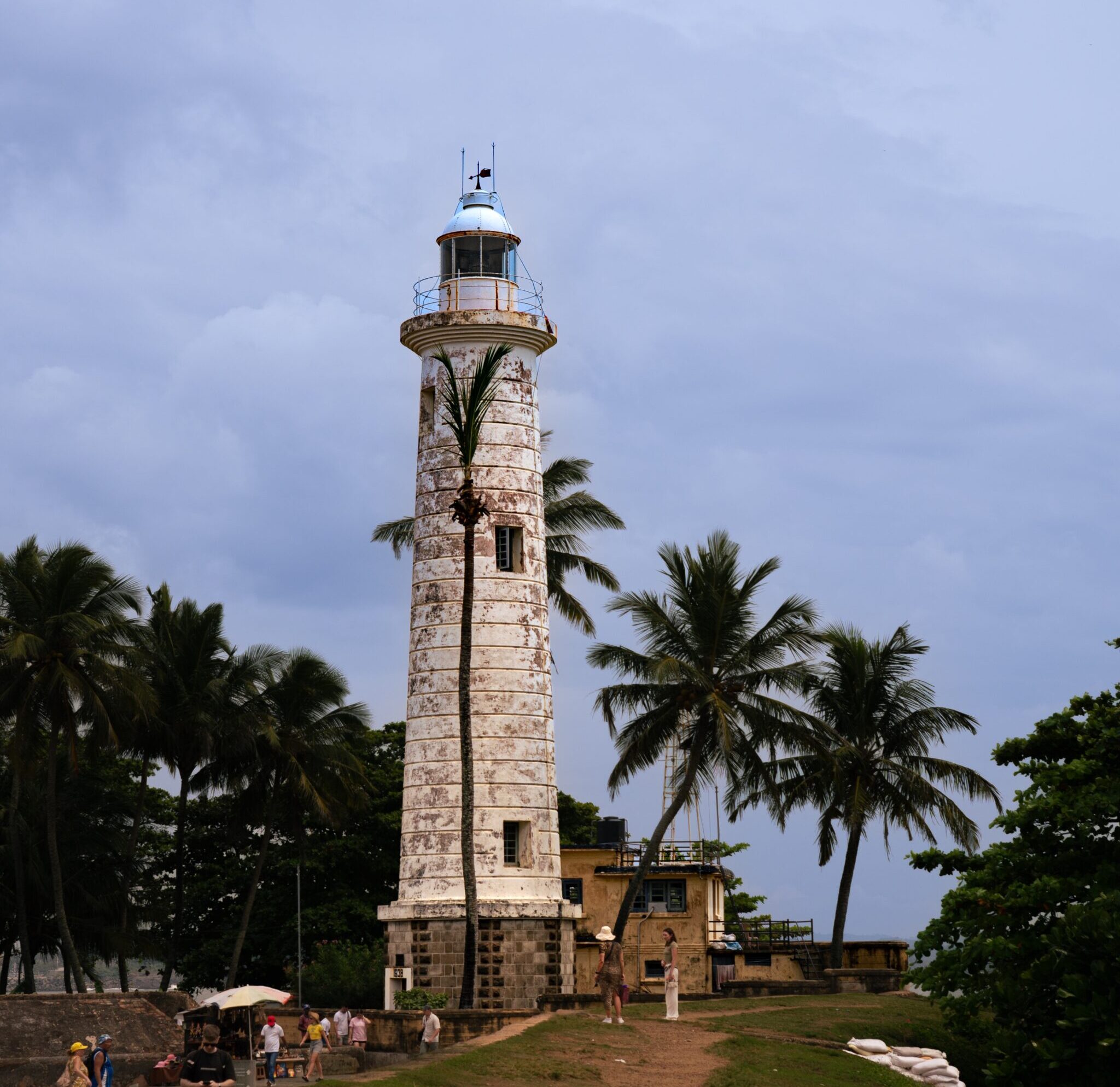
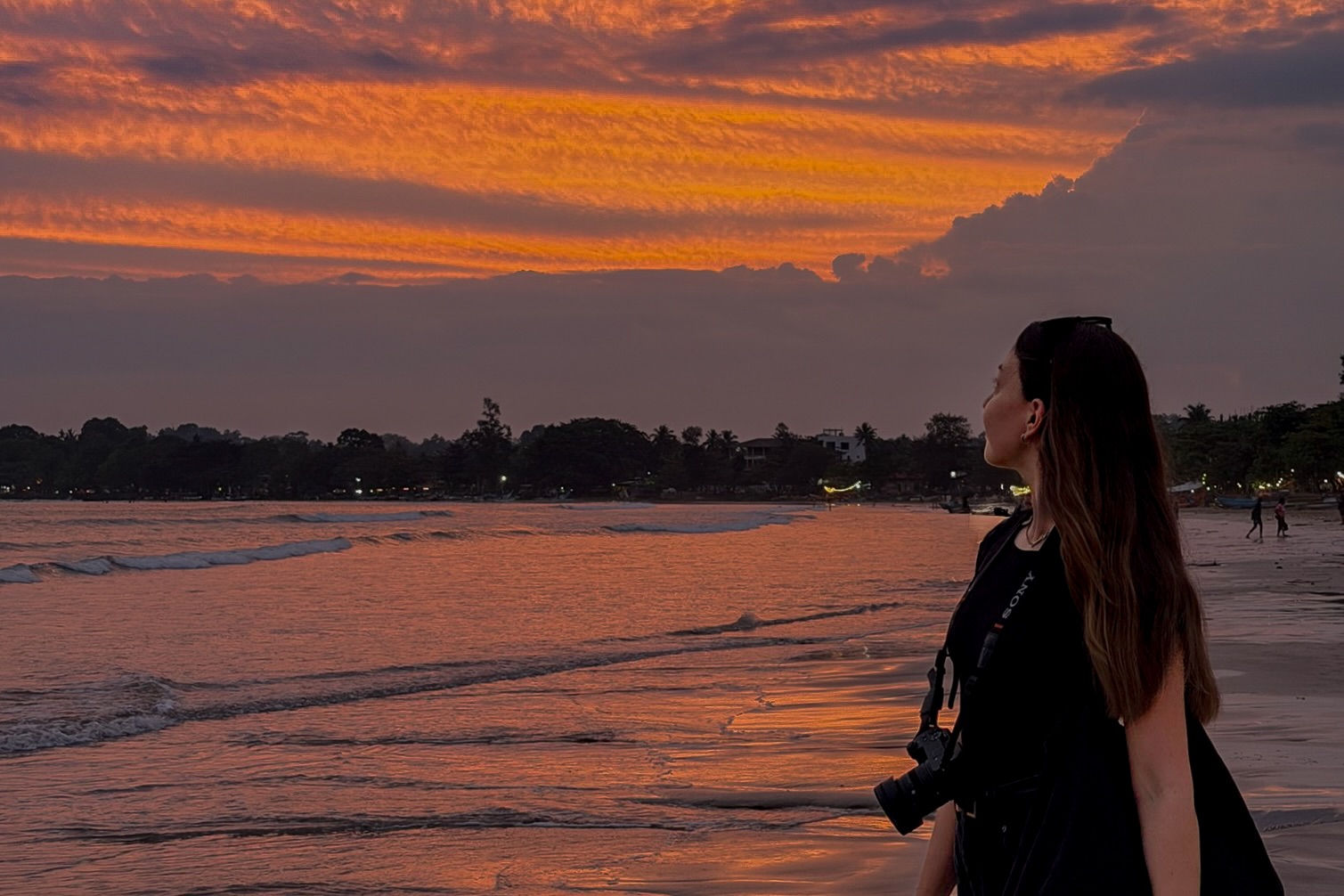
From Colombo, catch the coastal train south to the UNESCO World Heritage site of Galle. The beautiful Dutch colonial Galle Fort is full of boutique shops, cobblestone streets and historical walls where you can watch the sunset over the Indian Ocean.
Southern Coast
Weligama / Mirissa / Hiriketiya
If you’re a beach lover or a surfer then Sri Lanka’s south coast is perfect. It’s lined with gorgeous beach towns. Mirissa and Weligama are classics for surfing schools and backpacker vibes. Hiriketiya is considered a slower, more relaxed vibe but stunning nonetheless.
National Park
Yala / Udawalawe
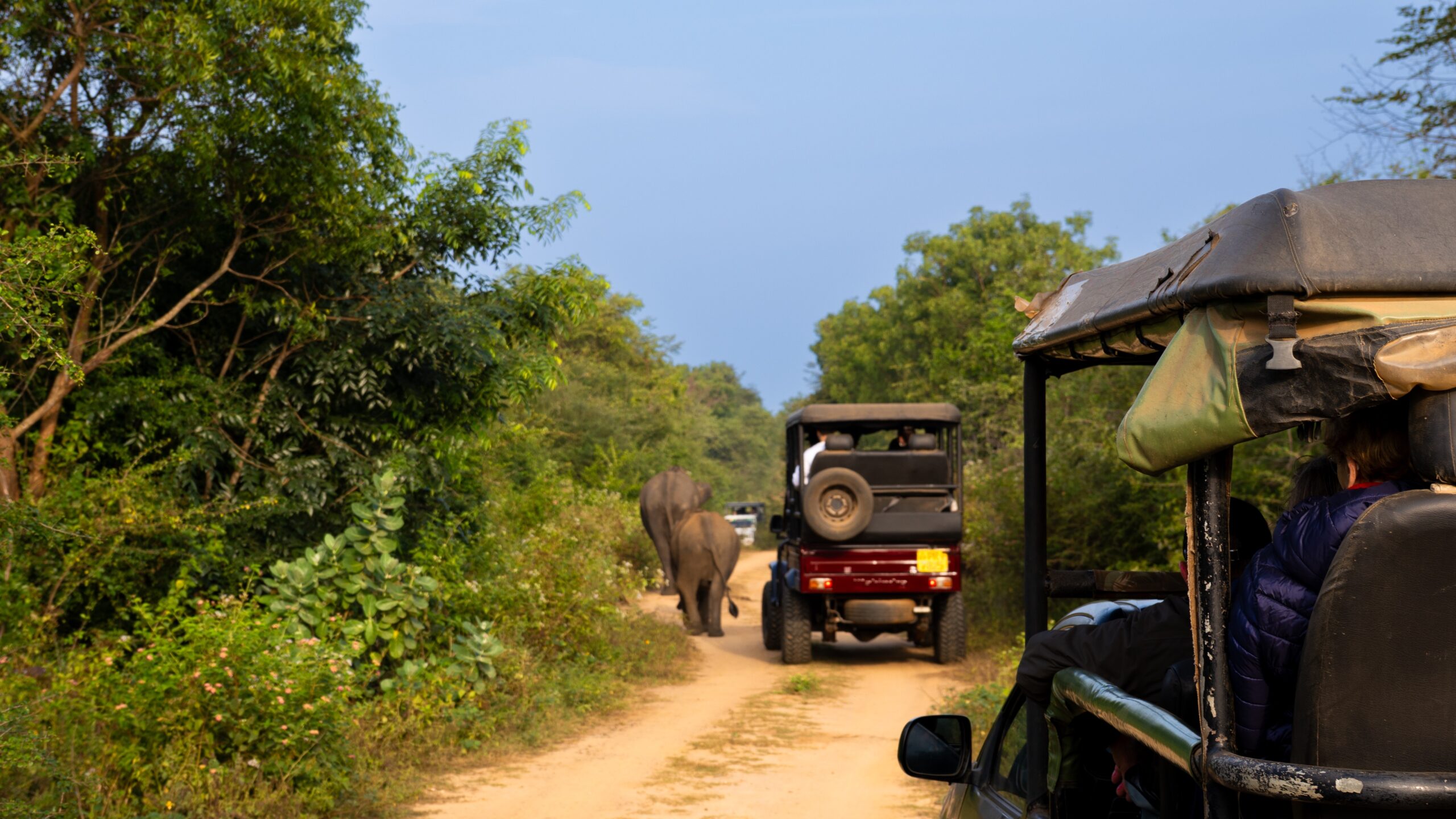
A trip to Sri Lanka isn’t complete without a jeep safari. The country has incredible biodiversity but most travellers get stuck choosing between the two popular national parks: Yala and Udawalawe. They’re located relatively close to each other but offer different experiences.
Although sightings aren’t guaranteed, Yala has one of the highest leopard densities in the world whilst featuring a mix of jungle, open plains and lagoons. On the other side, Udawalawe almost guarantees you an elephant sighting due to its open grasslands and massive central reservoir.
Note: They are both popular and popularity mean incredibly crowded. You are likely to find yourself stuck in a jeep queue at times. Udawalawe is considered to be slightly less crowded and from my experience, we only got held up in the queues twice here.
The Highlands
Ella / Nuwara Eliya / Adam’s Peak
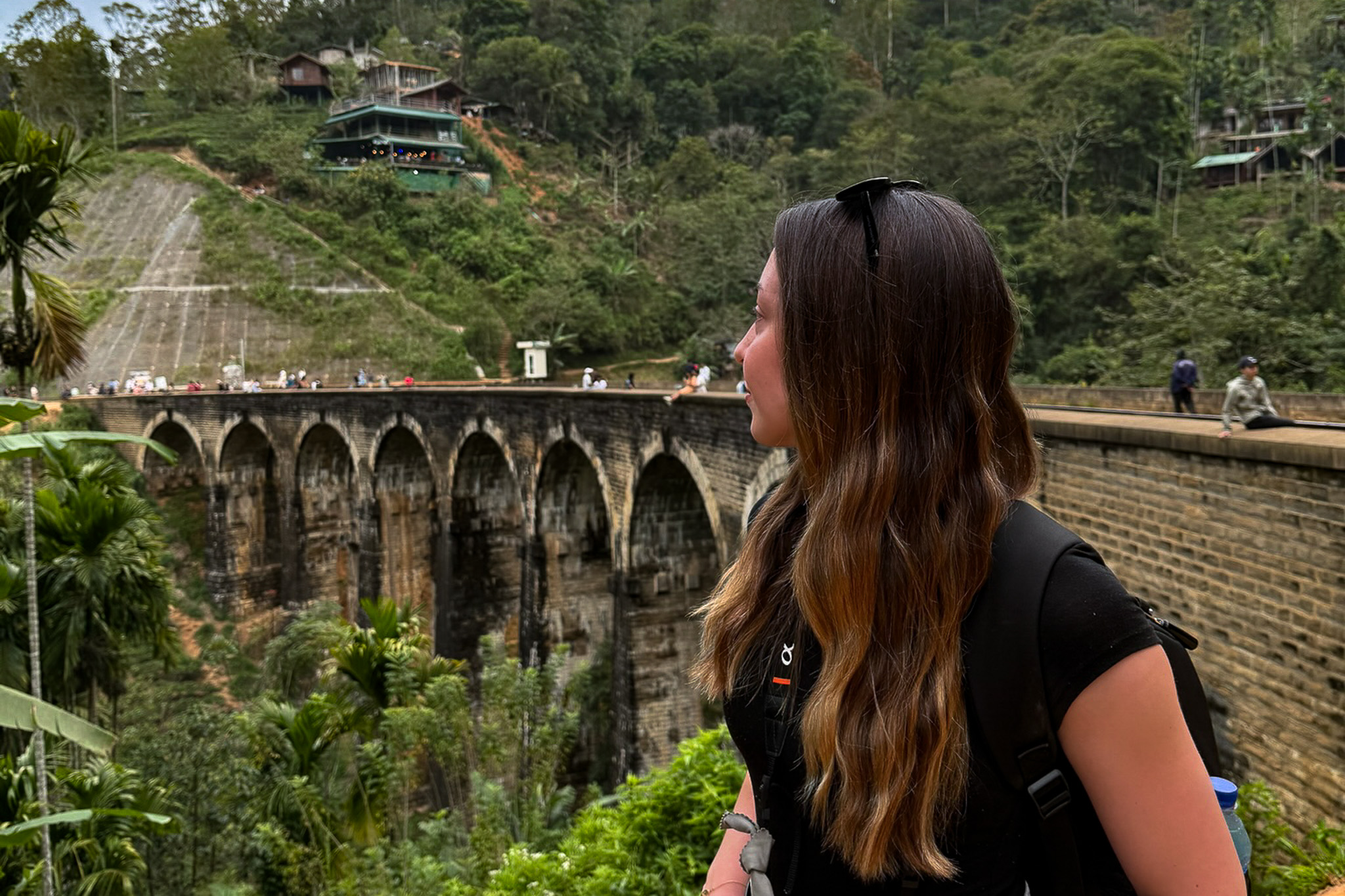
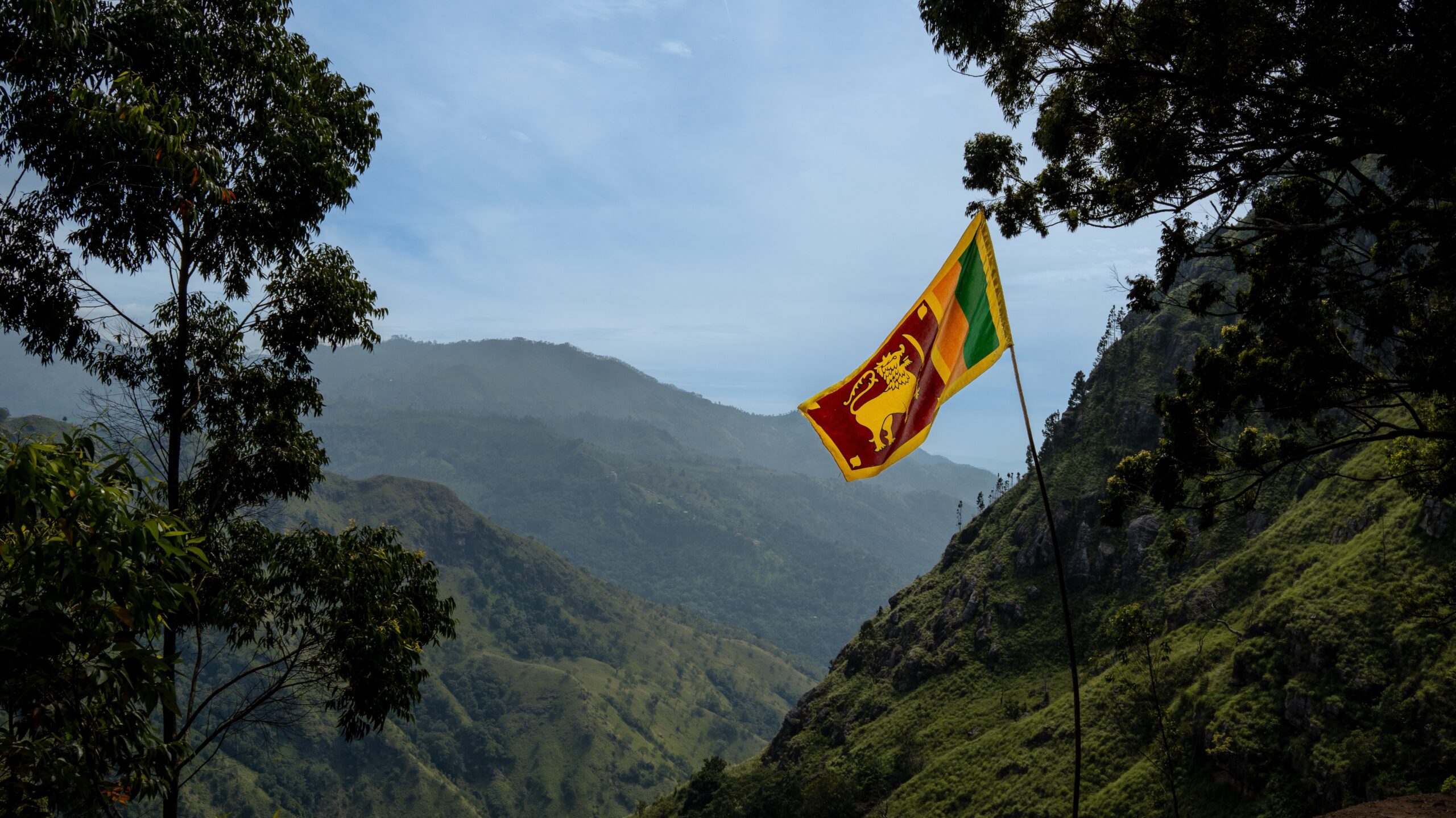
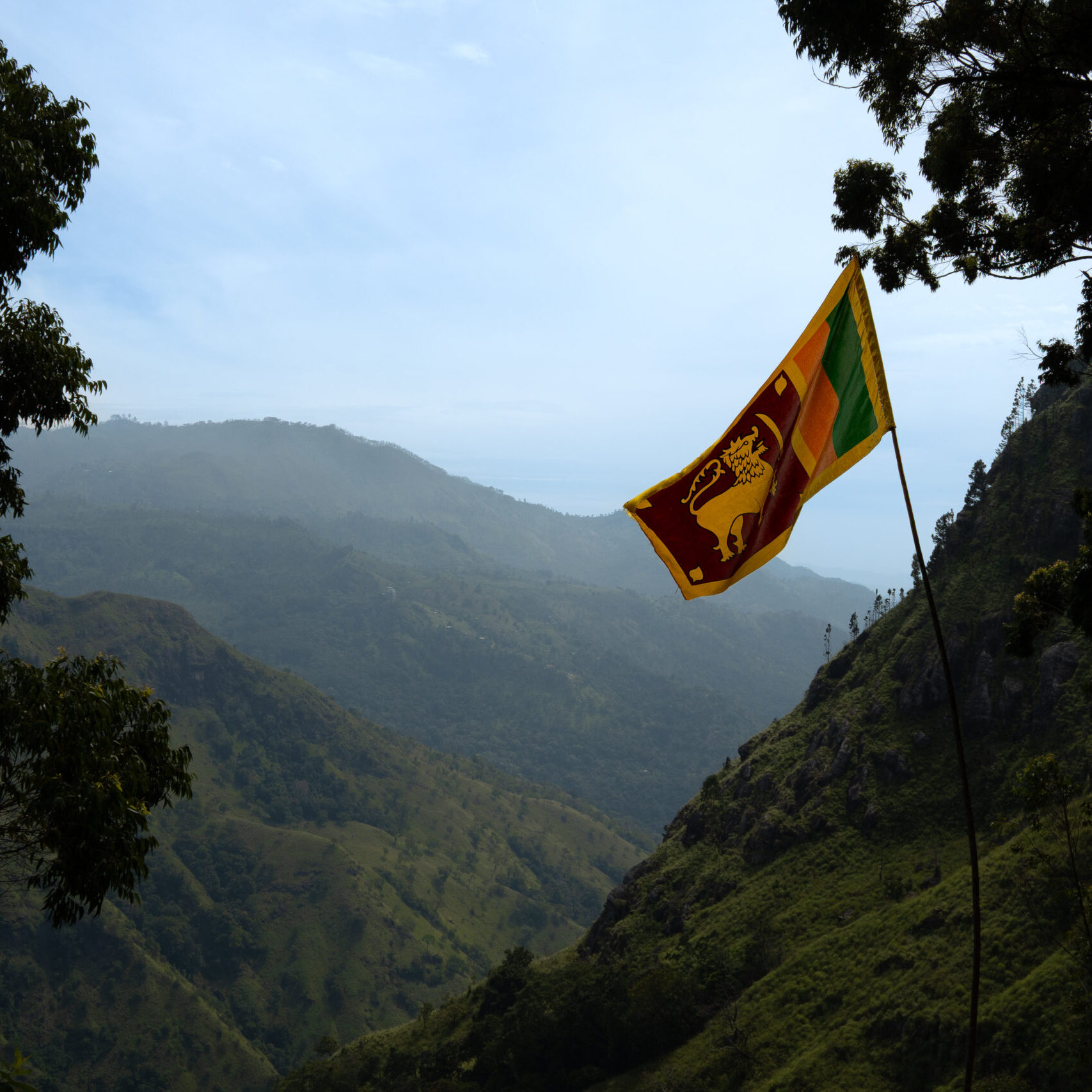
Heading up into the Hill Country is absolutely magical and a perfect change of scenery. Ella is the most popular mountain town in Sri Lanka with a bustling backpacker town filled with lively cafes, bars and restaurants, surrounded by incredible nature for hiking and the iconic Nine Arch Bridge.
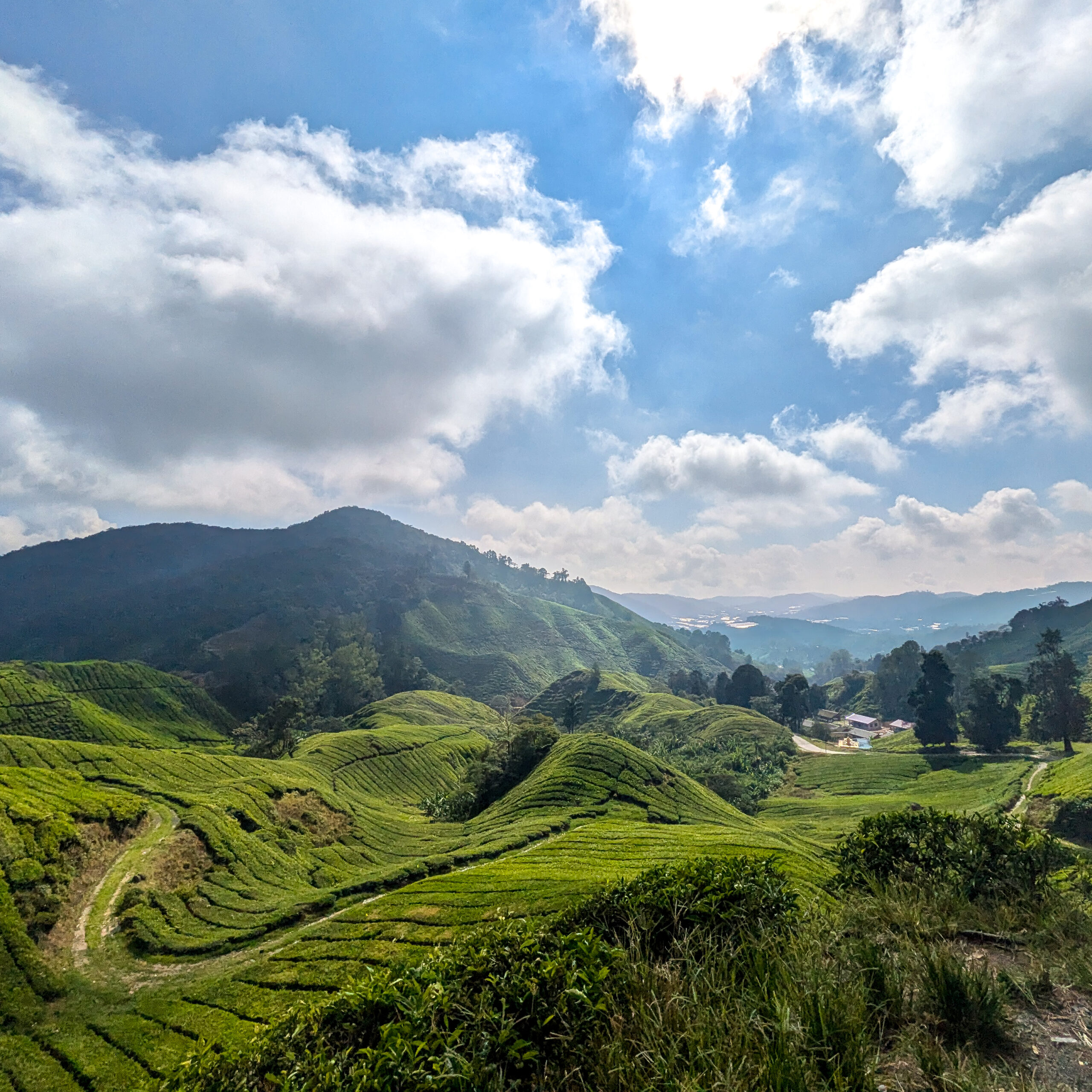
Nicknamed “Little England”, Nuwara Eliya is famous for its colonial-era British architecture, hence the nickname. It’s surrounded by tea plantations and tea factories.
A side mission that most travellers skip, but I personally couldn’t recommend more is Adam’s Peak – a sacred mountain pilgrimage for four major religions that tests resilience and is an experience of a lifetime (although it may not feel like that at 3am, 1000 steps through a 6000-step climb).
Note: As the highlands are at altitude, it’s cooler and you’ll likely need to wear a light jumper here.
Looking for more about Adam’s Peak?
The Cultural Triangle
Kandy / Dambulla / Sigiriya / Polonnaruwa
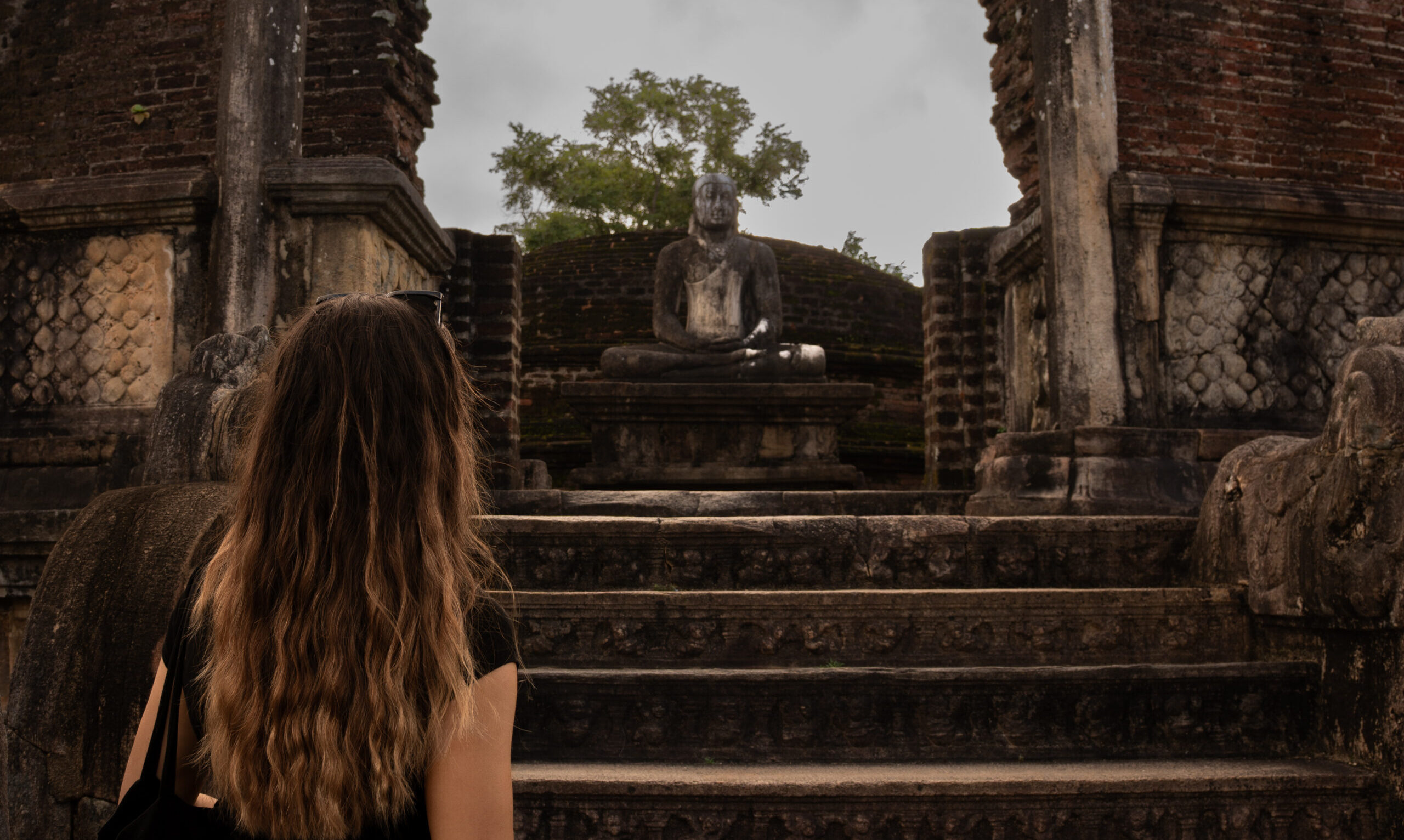
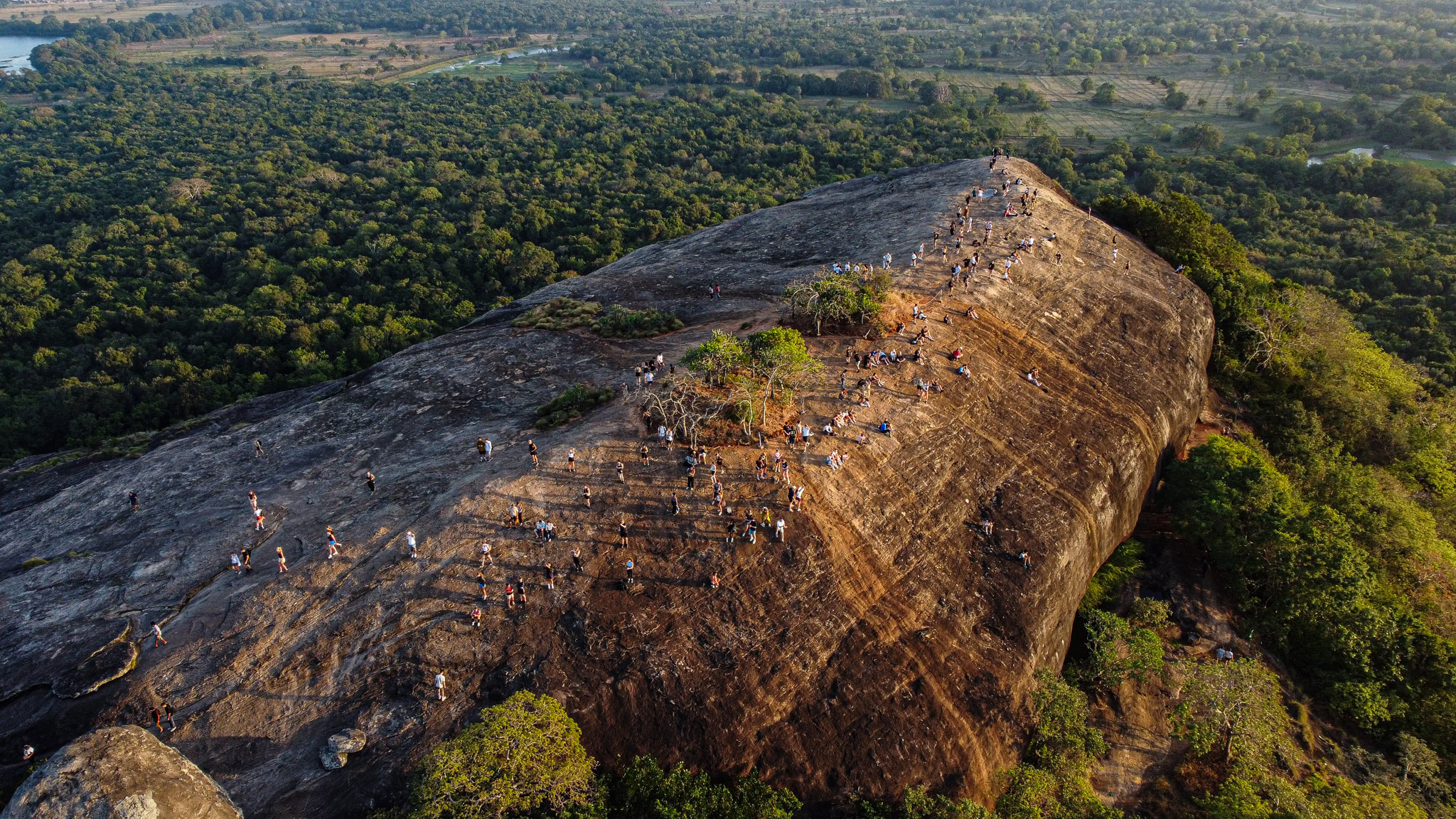
The most enriching section of a Sri Lanka trip, full of ancient history, is the Cultural Triangle. As the second-largest city in the country, Kandy serves as the cultural capital offering great food, cultural and sites. Dambulla is home to the largest cave temple complex and gives access its nearby cultural stops like Sigiriya. Here you’ll find the impressive 200-meter tall volcanic rock fortress which rises out of the flat jungle floor below, with an ancient palace built right on top. Lastly, the ancient cities of Sri Lanka – Polonnaruwa and Anuradhapura. I personally chose to visit Polonnaruwa but both offer an incredible insight into Sri Lanka’s ancient world.
Packing Essentials
Packing for Sri Lanka means packing for two climates: tropical beaches and chilly mountains. Here are some absolute non-negotiable items:
- A Light Jacket: As temperatures drop in the the highlands, you’ll definitely want something slightly warmer than just a top.
- Cover Ups: If you plan on visiting any temples or religious sites then you must cover your shoulders and knees. Either wear long sleeves or carry cover ups.
- DEET Spray: Mosquitos are prevalent all over Sri Lanka, especially in jungle areas so be sure to carry spray and use it.
- Travel Adapter: As a rarity, Sri Lanka uses the same plugs as the UK – type G. An international adapter is best and recommended, even for those from the UK as plugs may also be Type D or M.
- Hand Sanitiser & Tissues: Pick them up once you arrive to save packing space but they’re essential for public toilets which usually don’t have them.
- A Light Microfiber Towel: These have so many uses and are wonderfully small. Perfect for the beach, if your hotel / hostel doesn’t supply one, for a curtain on a hostel bed and more.
- Dry Bag: Perfect for the coast to avoid sand and water getting on valuables. Great for hiking too in case of a sudden downpour as there’s likely no shelter.
- Power Bank: Perfect for long travel days, and days you’re taking lots of photos.
Frequently Asked Questions
How do I get a SIM card?
There’s two options for SIM cards, a physical card or an eSIM. For physical SIMs use a Dialog kiosk in the airport or if you can wait then head to a store in the city. You’ll pay around $5 for 30GB. For eSIMs, which allow you to be connected as soon as you land, use sites like Airalo.
Can I use my card?
You can use your card for more expensive hotels and restaurants in tourist hubs but cash is used for the majority of transactions. Tuk-tuks, local street stalls, markets and local homestays will all operate solely on physical cash. ATMs are widely available with a small fee of usually less than $1. Honestly, I’m not sure we used card once in our month in Sri Lanka!
What should I wear?
Opt for lightweight fabrics like linen and cotton. Be respectful in what you choose to wear. As a conservative country, short shorts and low-cut tops are a no-go.
Is the water safe to drink?
No. Do not drink the tap water in Sri Lanka, opt for bottled water instead. You’re fine to use it for brushing your teeth and showering in decent hotels but if you’re concerned or have a sensitive stomach then use bottled water for teeth brushing too.
What adapter do I need?
An international adapter is the best choice here. Sri Lanka primarily uses the Type G – standard UK plug but they also use Type D and M.
Can I ride a motorbike?
Yes, if you’re legally covered and experienced. You must carry an International Driving Permit (IDP) and a full motorbike license from your home country. I would not recommend it to anyone who isn’t experienced and competent as Sri Lankan traffic can be aggressive, chaotic and fast-moving, especially the local buses.
Summary
Sri Lanka is truly an incredible country to explore and it offers so many wonderful things for travellers. From stunning beaches and natural landscapes to ancient cities and a bustling capital, this island nation is beyond impressive.
I had an amazing time exploring the country so I really hope this guide has helped you or inspired you in some way. Whether it’s a week trip or a month trip, Sri Lanka isn’t one to miss. Go explore it for yourself!
Hi, I'm Kelly!
Welcome to The Untold Journeys, a travel blog with a focus on raw, authentic travels and finding those exciting hidden gems.
I’m here to share my experiences and stories to give you everything you need to explore the world and head on your own adventures.
Recent Posts
Blog Posts
Amritsar is a must-visit location in India and this travel guide covers everything you need to know to make your trip as incredible as possible.
Albania is the perfect budget destination for those seeking adventure and something a little different. Here's how to experience Albania on a budget.
This guide to 3 days in Malaysia's wonderful capital, Kuala Lumpur with an optional day trip on the fourth day includes things to do, tips and advice.